When the Voice on the Line Isn’t Real: AI Fraud Hits Real Estate Finance Hard
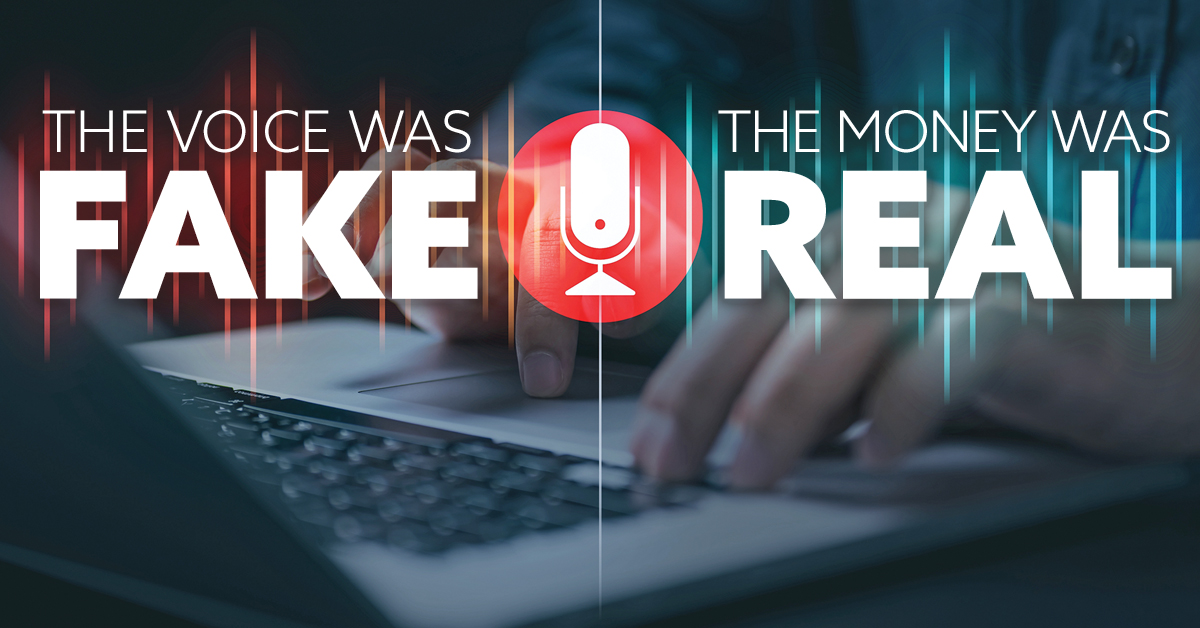
Picture this: A commercial lender is closing a seemingly routine $4.2 million deal. The borrower’s attorney emails revised wiring instructions—nothing unusual. The message looks authentic. Minutes later, a call comes in. It’s the attorney again, calmly apologizing for the last‑minute update. Same voice, same cadence, even the familiar rasp.
The funds are wired. The deal appears done. By morning, the truth hits: the email was compromised, the call was a flawless AI‑generated voice clone, and the money is already scattered across international accounts—gone forever.
This real-world example, highlighted by Scotsman Guide, marks a turning point in real estate finance—where trust can now be digitally forged with frightening precision.
The Rise of the AI Fraud Economy
What once required teams of conspirators can now be executed by a single attacker with a budget under $100. Voice cloning needs only a few audio snippets. Email tone? Easily mimicked by language models. Fake documents? Generative AI now creates pay stubs, payoff letters, and bank statements sophisticated enough to fool trained professionals.
With real estate transactions involving multiple parties, tight deadlines, and large wire transfers, the industry has become a prime target for AI‑powered deception.
Efficiency Meets Vulnerability
AI has revolutionized operations—loan intake chatbots, underwriting summaries, appraisal image analysis, automated closing docs. But every tool adds a potential point of exploitation.
• AI platforms may store sensitive borrower info.
• Hidden prompts in PDFs can manipulate LLMs.
• Facial recognition can be fooled by perfect synthetic faces.
Regulators Are Paying Attention
Federal and state frameworks—GLBA, the FTC Safeguards Rule, SEC requirements, and Florida’s own Information Protection Act—are tightening rapidly. In Florida, online notaries, attorneys, and title agents face strict identity‑proofing standards.
Even non‑mandatory guidelines like ALTA Best Practices are becoming essential for establishing trust.
After the Fraud: The Questions No Lender Wants to Answer
After a breach, investigators ask:
• Were verification procedures properly followed?
• Were wire instructions confirmed independently?
• Is your AI usage secure, monitored, and documented?
These answers determine not only regulatory exposure—but whether cyber insurance will cover the loss.
Cyber Insurance: Optional No More
Today’s cyber policies extend far beyond basic breach coverage. The best policies for real estate professionals now include protections for social engineering, funds transfer fraud, and invoice manipulation—even when an employee is tricked into approving a transfer.
Many carriers also offer 24/7 access to incident response teams, recovery experts, and federal law‑enforcement channels—critical in the new age of AI‑enabled fraud.
So What Does This Mean for Real Estate Professionals?
The days of trusting a familiar voice are gone. Verification must be multilayered. Wire changes require independent confirmation. AI use must be governed and monitored. Strong cyber insurance is no longer optional—it’s essential.
For anyone building a career in real estate—especially in Florida—understanding these risks is becoming a core competency. At Cameron Academy, we’ve seen firsthand how technology and compliance reshape everything from licensing to closing workflows. Education today isn’t just about passing an exam—it’s about staying ahead of threats that didn’t exist a few years ago.
A Future Where Trust Must Be Verified
The $4.2 million loss isn’t just a dramatic anecdote—it’s a warning. In a world where AI can duplicate someone’s voice with near‑perfect realism, trust must be earned, confirmed, and technically validated.
The professionals who evolve with this technology will stand strongest. And when the next “familiar” voice calls—you’ll know exactly how to respond.
Source: Scotsman Guide
Author: Jeffrey Bernstein