Where America Is Building the Most Homes in 2026 — And Why It Matters to Your Career
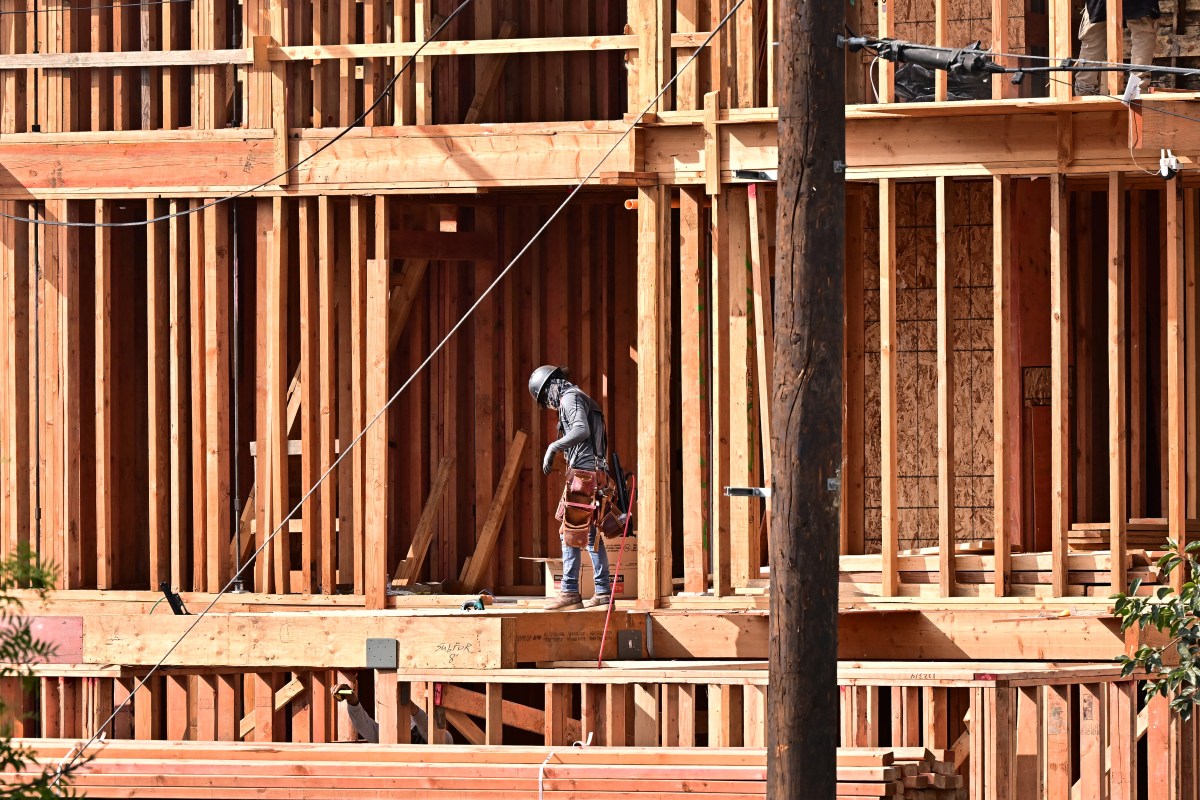
Construction site framing

The U.S. housing market sits in a rare paradox. Listings linger longer, affordability is strained, and buyers are stepping back—yet the nation remains short nearly 2.8 million homes, according to J.P. Morgan. Two realities coexist: more homes on the market than last year, but still nowhere near enough to meet growing demand.

This tension continues to shape affordability, mobility, and economic opportunity. And in 2026, the states picking up the slack are the same ones that have dominated the past several years—especially Florida and Texas.

Explore the Original Report

Newsweek’s full breakdown reveals which states are leading America’s construction boom, including expert insights and regional projections shaping 2026.

Read the original Newsweek article

Florida and Texas: America’s Construction Powerhouses

Since the pandemic, Florida and Texas have consistently driven the bulk of U.S. homebuilding. According to the latest Census Bureau data, Texas authorized over 145,000 housing units from January through August, while Florida followed with more than 123,000. Together, they form the engine powering the next era of American housing.

The broader South accounted for more than half of all new permits nationwide. The West followed—notably Phoenix, Salt Lake City, and parts of Nevada—while the Northeast and coastal California faced tightening inventory driven by high costs and restrictive zoning.

Redfin Chief Economist Daryl Fairweather told Newsweek that builders across the South, West, and parts of the Midwest will remain the “backbone of national housing” in 2026. But she also warned: apartment construction is slowing, which could tighten rental markets further.

What This Inventory Surge Means for Buyers and Pros

More inventory usually gives buyers more negotiating power—yet the improvement will be slow. With many homeowners locked into ultra-low mortgage rates, a growing segment is opting to renovate rather than move.

Still, Redfin predicts a “Great Reset” in 2026: more homes on the market, more transactions, and a gradual unwinding of the gridlock that has defined the past few years.

Policy Changes That Could Reshape the Market

President Donald Trump has pledged bold action to expand housing supply—from opening federal land for development to pushing wide-scale affordability reforms. However, mass deportation plans may reduce labor capacity in construction, where immigrants make up one in four workers.

The bipartisan Housing for the 21st Century Act (HR 6644) aims to simplify zoning, modernize building standards, and accelerate approvals. Industry leaders overwhelmingly support the bill, calling it a much‑needed modernization of America’s outdated housing framework.

Why This Matters to Real Estate Professionals

Florida’s construction surge is especially meaningful for anyone in real estate, mortgage lending, appraisal, insurance, or development. More construction means:

• more listings • more transactions • more financing opportunities • more demand for trained professionals

For new professionals entering the industry—or seasoned agents upgrading their credentials—this is a prime moment to prepare for the next wave of inventory.

Cameron Academy, Florida’s trusted real estate school, continues to help thousands earn or elevate their professional licenses. As the state builds at record volume, the need for skilled, licensed experts only grows.

Grow Your Career With Cameron Academy

As Florida leads the nation in new home construction, now is the perfect time to strengthen your real estate, mortgage, or insurance career.

Explore licensing and CE courses

More Articles

Getting licensed or staying ahead in your career can be a journey—but it doesn’t have to be overwhelming. Grab your favorite coffee or tea, take a moment to relax, and browse through our articles. Whether you’re just starting out or renewing your expertise, we’ve got tips, insights, and advice to keep you moving forward. Here’s to your success—one sip and one step at a time!

How an Israeli Proptech Startup Is Transforming the Future of Real Estate Investing

A fast‑growing Israeli startup called Agora is reshaping how real estate investment firms operate by replacing outdated spreadsheets and scattered emails with a seamless digital platform. Built by former military intelligence technologists, Agora centralizes investor onboarding, reporting, financial tracking and communication—giving firms a modern backbone for managing complex portfolios. As proptech adoption accelerates worldwide, understanding tools like Agora is becoming essential knowledge for new and seasoned real estate professionals alike.

How to Become a Real Estate Agent in Canada in 2026

Canada remains one of the fastest and most accessible places to launch a real estate career, with no university degree required and most provinces offering licensing timelines under a year. This guide breaks down every major step—eligibility, education, exams, brokerage registration, and income expectations—while comparing requirements across Ontario, BC, Alberta, and Quebec. It also highlights what truly separates successful agents from those who leave the profession: consistent prospecting, strong preparation, and long-term discipline.

Is It a Good Time To Buy a House in 2026? What the Market Is Really Telling Us

The 2026 housing market is starting off with colder-than-usual activity but warmer opportunities for buyers. Mortgage rates have dipped nearly a full percentage point from last year, inventory is slowly increasing, and competition is easing just enough to give buyers more leverage. While prices are still rising, the pace has cooled, and motivated sellers are becoming more flexible. Whether you're planning to buy or preparing clients as a real estate professional, the key message remains the same: the right time to purchase depends far more on your financial readiness than on headline noise.

Should You Form an LLC for Your Rental Property in 2025?

More landlords than ever are turning to LLCs to protect their assets, streamline operations, and unlock tax advantages. An LLC can separate your personal finances from your rental business, provide liability protection, and offer valuable tax benefits. This article breaks down what LLCs do for landlords, how they affect taxes, the benefits they bring, and the best practices for setting one up in 2025—giving real estate professionals and investors a clear, practical guide for making the right decision.

Florida Senate Backs Plan to Move Commercial Policies Out of Citizens Insurance

Florida lawmakers have approved Sen. Joe Gruters proposal to push more commercial properties from Citizens Property Insurance into the private market. The bill tightens eligibility rules, expands the clearinghouse process, and could shift about 25 billion dollars in risk to private carriers. Supporters say the change reduces taxpayer exposure after major storms, while opponents worry about relying more on the less-regulated surplus lines market. The measure now heads to Gov. Ron DeSantis for final approval.

Wire Fraud Is Now One of the Biggest Threats to Real Estate Closings

Wire fraud has evolved into a major danger for Florida real estate transactions, with criminals hijacking email accounts, impersonating buyers and sellers, and creating fake title company websites. First‑time buyers are especially vulnerable, and losses often occur right before closing when emotions are high. Experts warn that nearly all wire fraud can be prevented with proper verification, secure communication, and professional training—making education a critical defense for today’s real estate professionals.