Where America Is Building the Most Homes in 2026 — And Why It Matters to Your Career
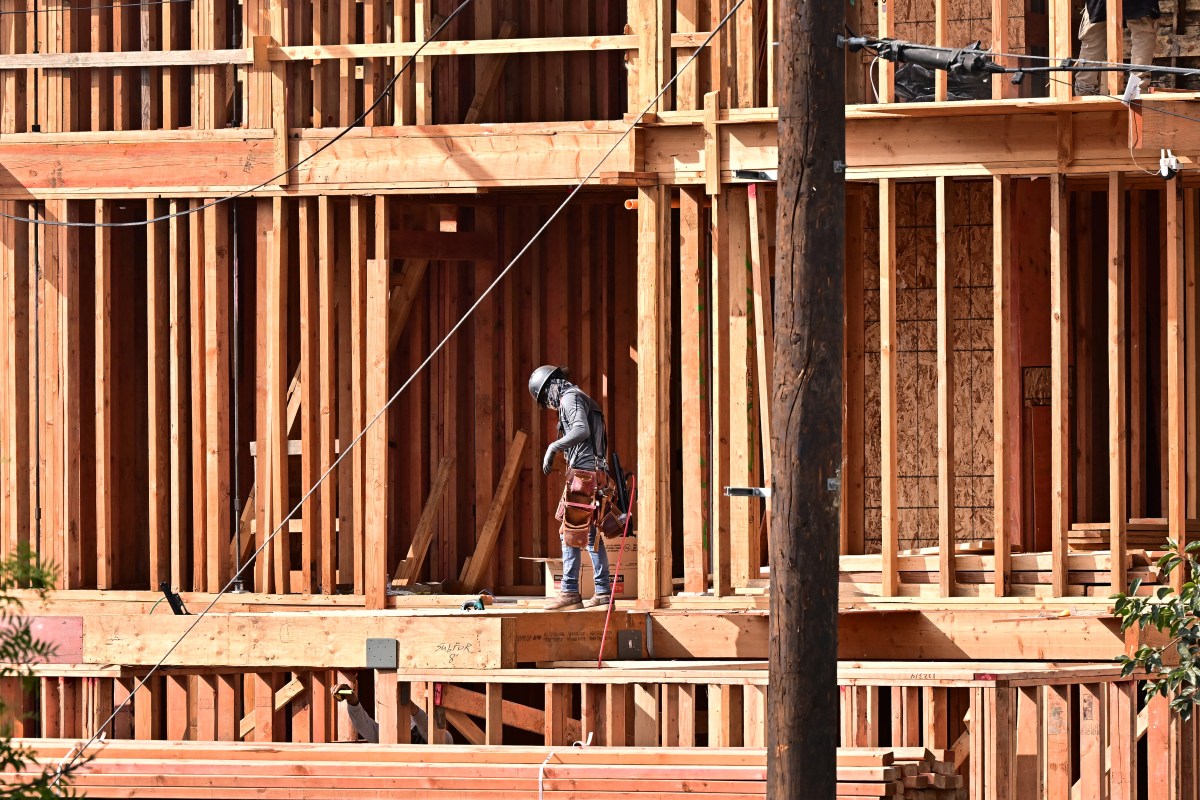
Construction site framing

The U.S. housing market sits in a rare paradox. Listings linger longer, affordability is strained, and buyers are stepping back—yet the nation remains short nearly 2.8 million homes, according to J.P. Morgan. Two realities coexist: more homes on the market than last year, but still nowhere near enough to meet growing demand.

This tension continues to shape affordability, mobility, and economic opportunity. And in 2026, the states picking up the slack are the same ones that have dominated the past several years—especially Florida and Texas.

Explore the Original Report

Newsweek’s full breakdown reveals which states are leading America’s construction boom, including expert insights and regional projections shaping 2026.

Read the original Newsweek article

Florida and Texas: America’s Construction Powerhouses

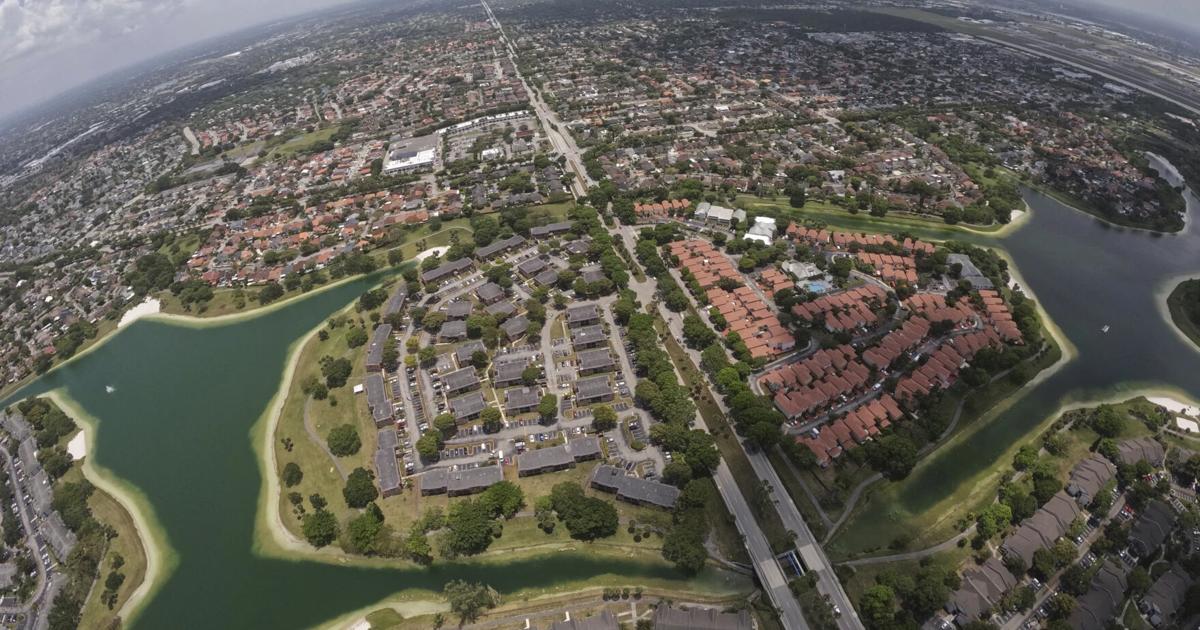
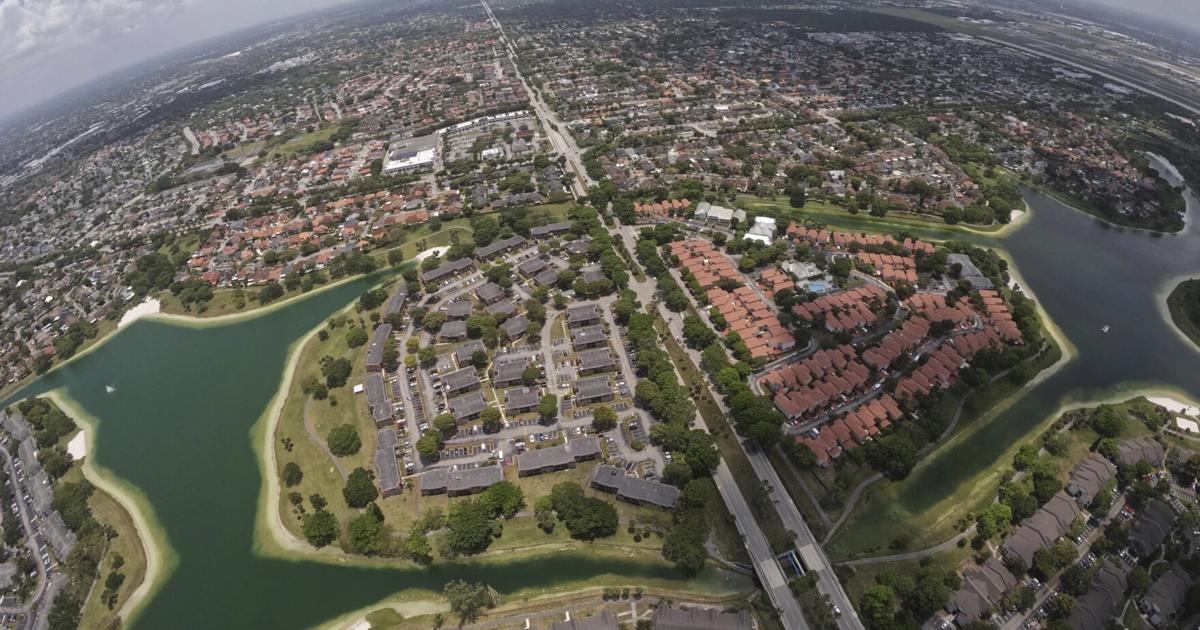
Since the pandemic, Florida and Texas have consistently driven the bulk of U.S. homebuilding. According to the latest Census Bureau data, Texas authorized over 145,000 housing units from January through August, while Florida followed with more than 123,000. Together, they form the engine powering the next era of American housing.

The broader South accounted for more than half of all new permits nationwide. The West followed—notably Phoenix, Salt Lake City, and parts of Nevada—while the Northeast and coastal California faced tightening inventory driven by high costs and restrictive zoning.

Redfin Chief Economist Daryl Fairweather told Newsweek that builders across the South, West, and parts of the Midwest will remain the “backbone of national housing” in 2026. But she also warned: apartment construction is slowing, which could tighten rental markets further.

What This Inventory Surge Means for Buyers and Pros

More inventory usually gives buyers more negotiating power—yet the improvement will be slow. With many homeowners locked into ultra-low mortgage rates, a growing segment is opting to renovate rather than move.

Still, Redfin predicts a “Great Reset” in 2026: more homes on the market, more transactions, and a gradual unwinding of the gridlock that has defined the past few years.

Policy Changes That Could Reshape the Market

President Donald Trump has pledged bold action to expand housing supply—from opening federal land for development to pushing wide-scale affordability reforms. However, mass deportation plans may reduce labor capacity in construction, where immigrants make up one in four workers.

The bipartisan Housing for the 21st Century Act (HR 6644) aims to simplify zoning, modernize building standards, and accelerate approvals. Industry leaders overwhelmingly support the bill, calling it a much‑needed modernization of America’s outdated housing framework.

Why This Matters to Real Estate Professionals

Florida’s construction surge is especially meaningful for anyone in real estate, mortgage lending, appraisal, insurance, or development. More construction means:

• more listings • more transactions • more financing opportunities • more demand for trained professionals

For new professionals entering the industry—or seasoned agents upgrading their credentials—this is a prime moment to prepare for the next wave of inventory.

Cameron Academy, Florida’s trusted real estate school, continues to help thousands earn or elevate their professional licenses. As the state builds at record volume, the need for skilled, licensed experts only grows.

Grow Your Career With Cameron Academy

As Florida leads the nation in new home construction, now is the perfect time to strengthen your real estate, mortgage, or insurance career.

Explore licensing and CE courses

More Articles

Getting licensed or staying ahead in your career can be a journey—but it doesn’t have to be overwhelming. Grab your favorite coffee or tea, take a moment to relax, and browse through our articles. Whether you’re just starting out or renewing your expertise, we’ve got tips, insights, and advice to keep you moving forward. Here’s to your success—one sip and one step at a time!

South Florida Housing Market Gains Momentum for 2026 as Mortgage Rates Decline

Lower interest rates, improving buyer confidence, and a resilient job market are setting the stage for a stronger South Florida real estate landscape in 2026. After a steadier‑than‑expected 2025, single‑family homes remain competitive, condos are stabilizing despite regulatory pressures, and commercial real estate continues to outperform national trends — giving industry professionals plenty to watch in the year ahead.

2026 Housing Market Outlook: Are We Finally Heading Toward Stability?

Economists across the housing industry are signaling that 2026 may finally bring a true market rebalance. With mortgage rates expected to ease, inventory slowly expanding and affordability showing its first real improvement in years, home sales could climb by 14% nationwide. Prices are projected to rise only modestly, builders are ramping up cautiously and shifting demographics are reshaping who’s buying—and what they’re looking for. For real estate and finance professionals, this more active and balanced landscape sets the stage for a strong year of opportunity.

Lower Interest Rates Spark New Optimism in South Florida’s 2026 Real Estate Market

South Florida enters 2026 with renewed confidence as easing mortgage rates, a solid job market, and stabilizing housing trends breathe life back into both single‑family and condo sectors. After an uneven 2025 marked by high costs and condo‑related challenges, lower borrowing rates are drawing buyers back, encouraging more homeowners to list, and positioning the region for a more balanced — though still competitive — year ahead.

Six Real Estate Trends Reshaping the U.S. Market in 2026

The U.S. real estate landscape is entering a defining year, driven by AI innovation, reimagined office spaces, immersive retail, and resilient industrial growth. Investors are becoming more selective, while ESG expectations are solidifying into essential standards for value and tenant demand. For professionals looking to stay competitive in 2026, understanding these shifts—and upskilling accordingly—will be key to navigating an industry rapidly transforming in real time.

Conforming Mortgage Credit Availability Plunges to Record Low as Lenders Tighten Standards

Conforming mortgage credit has dropped to its lowest level since the MBA began tracking it in 2011, signaling a major tightening in loan options as 2026 begins. December’s Mortgage Credit Availability Index fell 2.6%, driven by shrinking ARM offerings, fewer cash‑out refi programs, and stricter documentation requirements. With conforming loans seeing the sharpest decline—down 3.8%—both buyers and mortgage professionals face a more challenging lending landscape that demands stronger financial profiles and up‑to‑date industry knowledge.

Creative Strategies Are Finally Helping First-Time Buyers Break Into the 2026 Housing Market

A new NAR outlook shows that first-time buyers may finally be gaining traction in 2026 as rising inventory, easing rates, and creative financing strategies open long-awaited pathways into homeownership. From ARMs and government-backed loans to family support, grants, and co-buying, younger buyers are finding new ways to “make the math work.” Builders are also stepping in with incentives and expanded townhome construction, signaling a slow but meaningful shift toward improved affordability.