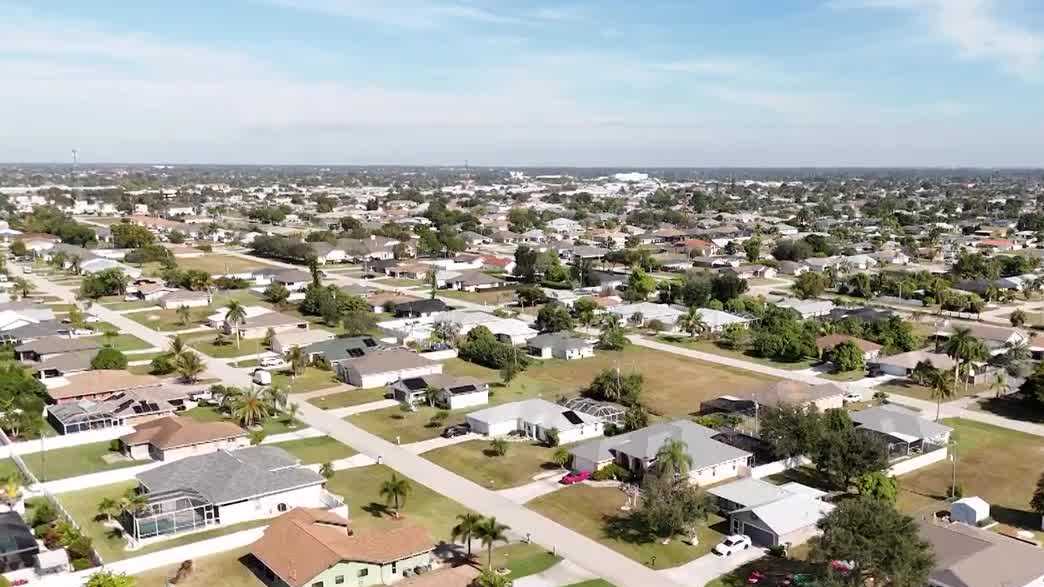
Where Did Our Parents’ Florida Go? A Journey Through Sunshine, Sticker Shock, and a Changing Market
In the early 1970s, Florida felt like an undiscovered paradise for countless retirees. Imagine buying a brand‑new two‑bed, two‑bath condo overlooking a sparkling pool for just $20,000. That was the dream waiting for new arrivals escaping cold northern winters—affordable living, sunshine, and a sense of luxury that didn’t break the bank.
But fast forward to 2026, and the Florida your parents fell in love with has transformed into something far more complex. Higher expenses, wealthier incoming residents, and shifting development priorities have reshaped the state’s real estate landscape.
A Florida That Costs More Than Ever
Local residents don’t need a reminder that costs have surged. Insurance premiums, property taxes, and HOA fees have all risen sharply. Yet buyers keep coming—now with deeper pockets than the retirees of past generations.
IRS and Census Bureau data confirms that in many Florida counties, the income of new arrivals in 2022 surpassed that of long‑time residents. Meanwhile, many middle‑class Floridians are migrating to more affordable states like the Carolinas.
The Disappearing Affordable Option
Manufactured homes once served as Florida’s affordable safety net. Today, many of those communities have been bought by large corporations, often with future redevelopment in mind. Prices are rising, and the once‑attainable dream of simple retirement living grows farther out of reach.
Developers are doubling down on upscale construction. Look at Lakewood Ranch in Bradenton: a master‑planned community with everything from $200,000 townhomes to multimillion‑dollar estates. Between 2023 and 2025, sales only grew in two segments—homes above $1 million and those below $300,000—while the middle‑range options shrank dramatically.
The Wealth Migration and Its Ripple Effects
The influx of higher‑income buyers continues to strain available housing. In November 2025, the average Florida home value hovered around $372,000—a stunning leap from $246,000 in 2019.
The ultraluxury market has entered a world of its own. In 2025 alone, four Miami‑area real estate transactions exceeded $100 million, according to Miller Samuel. It’s a staggering contrast to the Florida of $20,000 condos.
Even Senior Living Comes With Sticker Shock
Naples, one of Florida’s most affluent communities, now offers senior living units starting at $600,000 and stretching into the $9 million range. Growing old in paradise requires a far heftier nest egg than in decades past.
The Rise of Home Price Betting
Platforms like Robinhood and Kalshi have introduced everyday consumers to home‑price betting. While entertaining, these tools can mislead buyers who confuse national betting trends with local market realities. Real estate is always local, and speculative platforms cannot replace expert guidance.
Would Our Parents Recognize This Florida?
If someone bought a condo in 1973 for $20,000, they’d hardly recognize today’s market. Change is inevitable—sometimes shockingly fast. Long‑time homeowners sit on incredible equity, while new retirees face a Florida that feels financially out of reach.
And if today’s Florida inspires you to enter real estate or elevate your professional credentials, Cameron Academy offers flexible, high‑quality licensing and continuing education for Florida professionals and learners across all 50 states. Your journey in this fast‑changing market can begin with knowledge—and we’re here to help you build it.
More Articles
Getting licensed or staying ahead in your career can be a journey—but it doesn’t have to be overwhelming. Grab your favorite coffee or tea, take a moment to relax, and browse through our articles. Whether you’re just starting out or renewing your expertise, we’ve got tips, insights, and advice to keep you moving forward. Here’s to your success—one sip and one step at a time!
Commercial real estate deal activity dipped in October for the first time since early 2024, signaling a widening disconnect between buyer and seller pricing expectations in a high‑rate environment. While overall sales remain strong—and even above 2024 levels—the sharp slowdown in momentum highlights rising caution across sectors. Multifamily saw a steep 27% drop in volume, hospitality was the lone sector to grow, and institutional buyers are increasingly targeting discounted office assets. With mortgage originations rebounding but lenders staying selective, 2026 will hinge on how quickly the market aligns on pricing and capital costs.
New Vanguard research reveals that the real impact of financial advisors goes far beyond market performance. Investors say the greatest value comes from peace of mind, personalized planning, emotional reassurance, and the time saved by having a trusted expert manage their financial life. The study highlights a major shift in what clients truly want: confidence, clarity, and guidance that aligns with their personal definition of financial success.
U.S. self‑storage deals surged nearly $1.6 billion in Q3 2025, marking a 62% year‑over‑year jump and the sector’s strongest resurgence in years. REITs paid steep premiums to lock down top‑tier, land‑restricted markets, while states like Florida, California, and Georgia led all sales. New York City dominated with record‑high pricing of $526 per square foot, underscoring the asset class’s resilience and the renewed appetite for specialty commercial investments heading into 2026.
Nearly half a million Florida homeowners are finally seeing relief as Citizens Insurance plans to reduce premiums by up to 11%. After years of rising costs and limited coverage options, the insurer’s shrinking policy load and reduced risk are allowing meaningful savings—averaging about $400 per year for most customers. With several private carriers also lowering rates, experts say this could mark the beginning of a long‑needed stabilization in Florida’s insurance and real estate markets.
Colorado heads into 2026 with steady economic strength despite slowing population growth. The latest forecast from the Leeds School of Business projects 17,500 new jobs, rising incomes, and GDP growth outpacing the national average. Most major industries will expand, even as migration slows and labor shortages persist.
Layoffs across tech, energy, retail, aviation, and education are redefining the 2025 workforce as companies cut costs and accelerate their adoption of AI. Major employers like Amazon, Meta, UPS, and Chevron are restructuring thousands of roles, signaling one of the most significant employment shifts in years. But while traditional positions shrink, demand is rising in fields tied to AI, data, cybersecurity, compliance, and licensed professions. For workers willing to reskill or pivot—especially into areas like real estate, insurance, finance, or other certification‑based careers—new opportunities continue to grow despite the turbulence.