Where Did Our Parents’ Florida Go? A Journey Through Sunshine, Sticker Shock, and a Changing Market
In the early 1970s, Florida felt like an undiscovered paradise for countless retirees. Imagine buying a brand‑new two‑bed, two‑bath condo overlooking a sparkling pool for just $20,000. That was the dream waiting for new arrivals escaping cold northern winters—affordable living, sunshine, and a sense of luxury that didn’t break the bank.
But fast forward to 2026, and the Florida your parents fell in love with has transformed into something far more complex. Higher expenses, wealthier incoming residents, and shifting development priorities have reshaped the state’s real estate landscape.
A Florida That Costs More Than Ever
Local residents don’t need a reminder that costs have surged. Insurance premiums, property taxes, and HOA fees have all risen sharply. Yet buyers keep coming—now with deeper pockets than the retirees of past generations.
IRS and Census Bureau data confirms that in many Florida counties, the income of new arrivals in 2022 surpassed that of long‑time residents. Meanwhile, many middle‑class Floridians are migrating to more affordable states like the Carolinas.
The Disappearing Affordable Option
Manufactured homes once served as Florida’s affordable safety net. Today, many of those communities have been bought by large corporations, often with future redevelopment in mind. Prices are rising, and the once‑attainable dream of simple retirement living grows farther out of reach.
Developers are doubling down on upscale construction. Look at Lakewood Ranch in Bradenton: a master‑planned community with everything from $200,000 townhomes to multimillion‑dollar estates. Between 2023 and 2025, sales only grew in two segments—homes above $1 million and those below $300,000—while the middle‑range options shrank dramatically.
The Wealth Migration and Its Ripple Effects
The influx of higher‑income buyers continues to strain available housing. In November 2025, the average Florida home value hovered around $372,000—a stunning leap from $246,000 in 2019.
The ultraluxury market has entered a world of its own. In 2025 alone, four Miami‑area real estate transactions exceeded $100 million, according to Miller Samuel. It’s a staggering contrast to the Florida of $20,000 condos.
Even Senior Living Comes With Sticker Shock
Naples, one of Florida’s most affluent communities, now offers senior living units starting at $600,000 and stretching into the $9 million range. Growing old in paradise requires a far heftier nest egg than in decades past.
The Rise of Home Price Betting
Platforms like Robinhood and Kalshi have introduced everyday consumers to home‑price betting. While entertaining, these tools can mislead buyers who confuse national betting trends with local market realities. Real estate is always local, and speculative platforms cannot replace expert guidance.
Would Our Parents Recognize This Florida?
If someone bought a condo in 1973 for $20,000, they’d hardly recognize today’s market. Change is inevitable—sometimes shockingly fast. Long‑time homeowners sit on incredible equity, while new retirees face a Florida that feels financially out of reach.
And if today’s Florida inspires you to enter real estate or elevate your professional credentials, Cameron Academy offers flexible, high‑quality licensing and continuing education for Florida professionals and learners across all 50 states. Your journey in this fast‑changing market can begin with knowledge—and we’re here to help you build it.
More Articles
Getting licensed or staying ahead in your career can be a journey—but it doesn’t have to be overwhelming. Grab your favorite coffee or tea, take a moment to relax, and browse through our articles. Whether you’re just starting out or renewing your expertise, we’ve got tips, insights, and advice to keep you moving forward. Here’s to your success—one sip and one step at a time!
Los Alamitos Race Course is facing its most serious crisis in years after 18 horses died in 2025, prompting regulators to warn the track that its racing license is at risk without immediate safety reforms. Following three catastrophic injuries in a single day, the California Horse Racing Board has ordered urgent changes—including more veterinarians, stricter medication rules, and enhanced on‑track medical support—as pressure mounts for stronger oversight in a sport already under national scrutiny.
Canadian investors have poured more than US$5.8 billion into U.S. commercial real estate this year, making the U.S. their top destination even amid a lingering tariff dispute. Tight inventory in Canada and greater deal availability south of the border are driving the trend, with data centers and industrial properties emerging as the hottest targets for 2025.
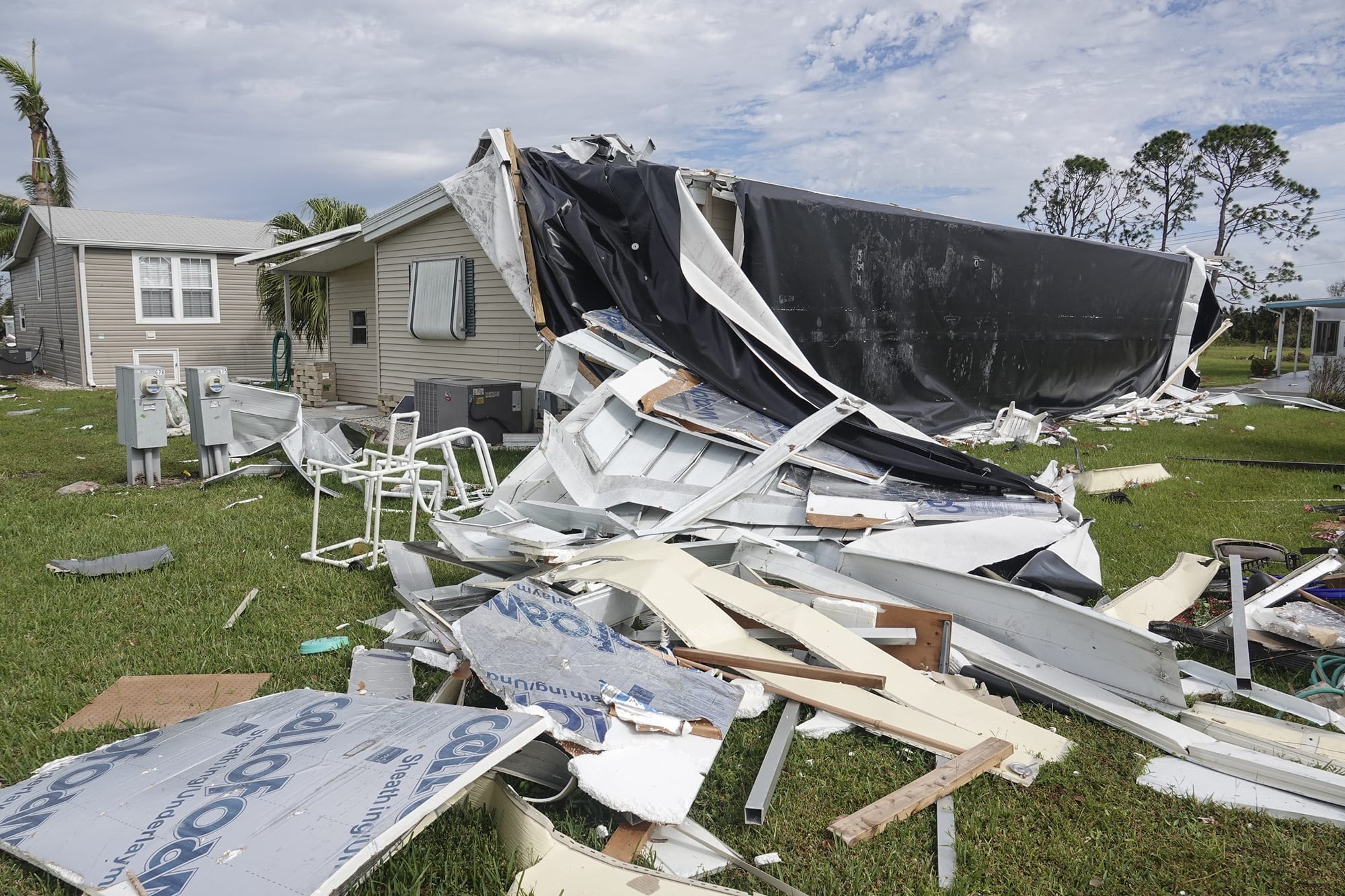
Florida’s insurance commissioner says even industry pros struggle to read today’s 150‑page homeowners policies—leaving residents shocked when hurricane claims are denied. With rising premiums, high replacement costs, and widespread confusion over exclusions like flood and water damage, the state is pushing for simpler, clearer policy language so homeowners know what they’re actually covered for before the next storm hits.
Following the 2025 elections, major metros like New York, Chicago, Miami, Los Angeles, and Boston are implementing policy shifts that could reshape property values, rental income, development timelines, and investment strategy heading into 2026. From New York’s push toward aggressive rent reform to Chicago’s sustainability mandates and Miami’s uncertain mayoral runoff, these changes signal a new era where local politics increasingly dictate market performance. This breakdown highlights the biggest post‑election real estate pivots and what they mean for investors, agents, and finance professionals preparing for a rapidly evolving landscape.
Florida’s Insurance Commissioner is sounding the alarm after thousands of homeowners discovered—only after hurricanes Helene and Milton—that the coverage they thought they had didn’t exist. With nearly 150,000 unpaid claims tied to misunderstood flood exclusions, water‑damage caps, and buried policy clauses, state leaders are pushing to simplify the dense, confusing documents most Floridians never read. As insurance costs remain one of the state’s top concerns, this growing complexity is creating a massive opportunity for real estate, mortgage, and insurance professionals to guide consumers before disaster strikes.
Florida’s insurance market is reliving an old crisis under a new name. Despite reforms meant to stabilize the system, homeowners are being forced out of Citizens and into pricier policies from small insurers with shaky financial histories. Companies tied to past insolvencies are returning with fresh branding, while highly rated carriers continue to deny a majority of claims. With political influence muddying regulation and climate risks rising, experts warn that only a full structural overhaul—not cosmetic reforms—can restore confidence for homeowners, agents, and the entire real estate market.