Why Canadian Investors Are Pouring Billions Into U.S. Real EstateEven With Tariff Tensions

Industrial real estate facility

Despite political headlines and tariff turbulence, Canadian investors remain unfazed. Even with diplomatic tensions simmering, commercial real estate capital from Canada continues to flow boldly into the United States — and at multibillion‑dollar levels.

Through September, Canada ranked as the second‑largest global source of cross‑border property investment. The U.S. claimed the top spot as the destination of choice, attracting nearly 30% of all Canadian outbound real estate capital, according to new data from MSCI.

Altogether, Canadian investors scooped up more than US$5.8 billion in U.S. properties priced at US$10 million or more during the first three quarters of the year. Analysts expected the February tariff dispute to cool enthusiasm — but instead, the U.S. market kept pulling investors in.

Why U.S. Real Estate Still Feels Like Home

MSCI researchers point to one primary reason: lack of supply at home. Canada’s commercial market has unusually low turnover. When investors need to deploy capital, they must often look outward — and the U.S. remains the most logical destination thanks to size, liquidity, and geographic proximity.

“The U.S. is a natural first destination for much of this capital,” said Jim Costello, author of the MSCI report.

In today’s modern investment landscape, one sector is emerging as the new favorite.

Data Centers Take the Spotlight

The once‑dominant U.S. office market is losing its charm. From 2015 to 2022, office assets captured 26% of Canadian outbound investment — but that trend is fading fast as investors pivot toward faster‑growing, tech‑aligned sectors.

Data centers — now critical infrastructure for the global digital economy — spiked to nearly 8% of Canadian outbound investment in 2025, skyrocketing from less than 2% five years earlier. Meanwhile, industrial and logistics assets captured more than 20%, signaling a powerful strategic shift.

One headline deal illustrates the momentum: the Ontario Teachers’ Pension Plan and Sagard Real Estate partnered on a 163,402‑square‑foot industrial acquisition in Houston — the first move in a new joint venture aimed at high‑demand U.S. infill logistics hubs.

The Trade Dispute Still Lingers — But Doesn’t Deter

The U.S.-Canada tariff conflict began when former President Trump imposed a 25% tariff on Canadian goods. Canada retaliated swiftly, and economists warned that the fallout could stall commercial real estate recovery on both sides of the border.

Yet even with negotiations stalled and politics running hot, investment continues. The fundamentals are simply stronger than the noise.

What This Means for Real Estate Professionals

Cross‑border investment trends influence pricing, development patterns, and long‑term sector performance — making them essential reading not only for real estate professionals but also for those working in mortgage, finance, insurance, and commercial development.

If you’re building or expanding your professional license — especially in the fast‑moving Florida real estate market — Cameron Academy remains a trusted leader in modern, flexible licensing education designed for real‑world success.

To dive deeper into the full data and analysis, you can explore the original source article here:
View Full Source Article


More Articles

Getting licensed or staying ahead in your career can be a journey—but it doesn’t have to be overwhelming. Grab your favorite coffee or tea, take a moment to relax, and browse through our articles. Whether you’re just starting out or renewing your expertise, we’ve got tips, insights, and advice to keep you moving forward. Here’s to your success—one sip and one step at a time!

Malware Trends 2025: The New Era of Subscription‑Based Cybercrime

Cybercrime in 2025 has evolved into a full‑scale service economy, with malware now available through subscription platforms that operate like mainstream tech businesses. Bitsight’s latest analysis reveals explosive growth in Malware‑as‑a‑Service tools, rising attacks across industries like healthcare, finance, tech, and real estate, and a surge in cross‑platform malware and supply‑chain exploits. For professionals in any licensed field, the message is clear: today’s digital landscape demands heightened vigilance, stronger identity security, and proactive defense against an increasingly organized underground threat environment.

The Proptech Revolution: How Gllit Is Making Real Estate Transactions as Simple as Booking a Flight

A new proptech startup in the UAE, Gllit is redefining how property deals happen by removing agents, eliminating commissions, and integrating AI tools that let users create professional listings in seconds. With a fast, transparent, and direct-to-owner model, Gllit offers a glimpse into the future of global real estate — and a powerful case study for U.S. professionals preparing for tech-driven changes in the industry.

2026 Housing Market Outlook: What Buyers, Renters, and Agents Need to Know

The 2026 housing market is shaping up to be a year of stability with a few surprises. Mortgage rates are expected to hold steady, home price growth is slowing, and yet ownership costs continue to rise due to soaring taxes and insurance. Meanwhile, renting is becoming more attractive as affordability improves and built‑to‑rent communities expand. This breakdown highlights the biggest trends ahead — and what they mean for buyers, sellers, and real estate professionals, especially in Florida.

Florida Homeowners Slammed by Soaring Insurance Costs as Lawmakers Push for Major Reform

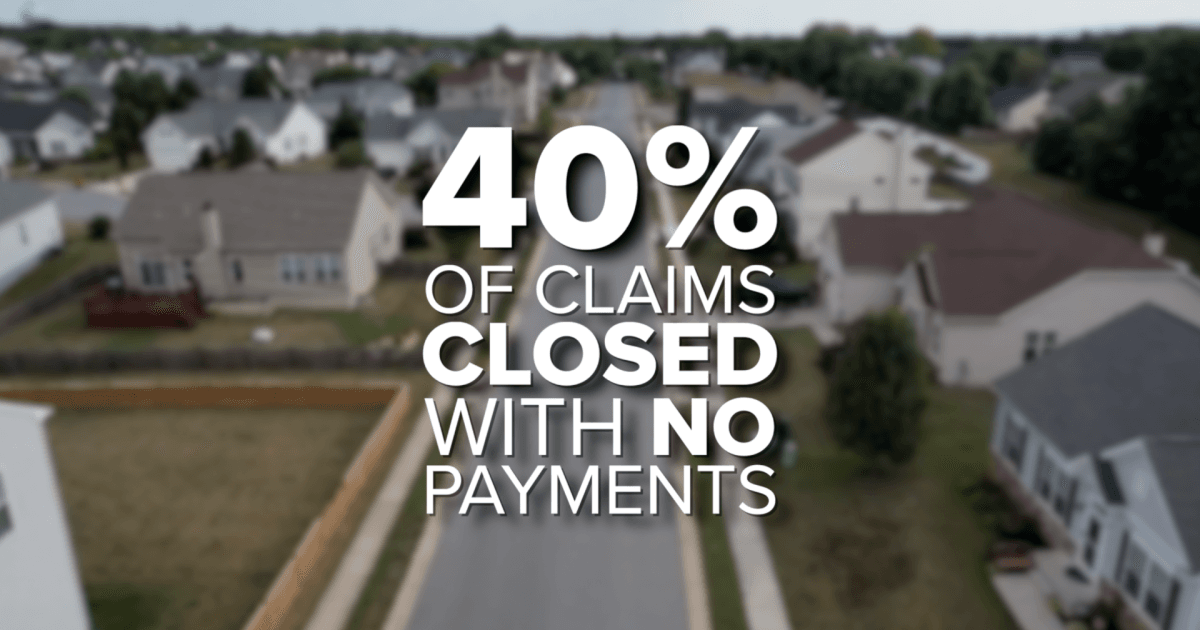
Florida homeowners are facing some of the highest insurance premiums in the nation, with average costs now topping $5,800 per year—about $3,000 above the U.S. average. Many residents report their rates have doubled or even tripled, while more than 40 percent of claims are closed with no payment. As frustration grows, state lawmakers and consumer advocates are pushing for transparency, rate caps, and incentives to help storm‑proof homes. The outcome of these reform efforts could reshape Florida’s real estate market, insurance landscape, and affordability for years to come.

Are Insurance Leaders Stuck in Silos? New Global Study Exposes a Hidden Weakness in Decision‑Making

A new global study from Risk.net and SAS reveals that many insurance companies are still making key decisions in isolated silos, despite industry-wide pushes toward data-driven strategies. While most leaders claim to have a clear vision, 38 percent admit they lack a real-time view of risks, revenue and costs. With poor data quality, limited collaboration and outdated processes holding teams back, experts say the industry is poised for a major transformation through AI, analytics and unified strategy—offering lessons for professionals across insurance, real estate, finance and other regulated fields.

Atlanta Housing Market Outlook 2025–2026: Stability, Rising Inventory, and What It Means for You

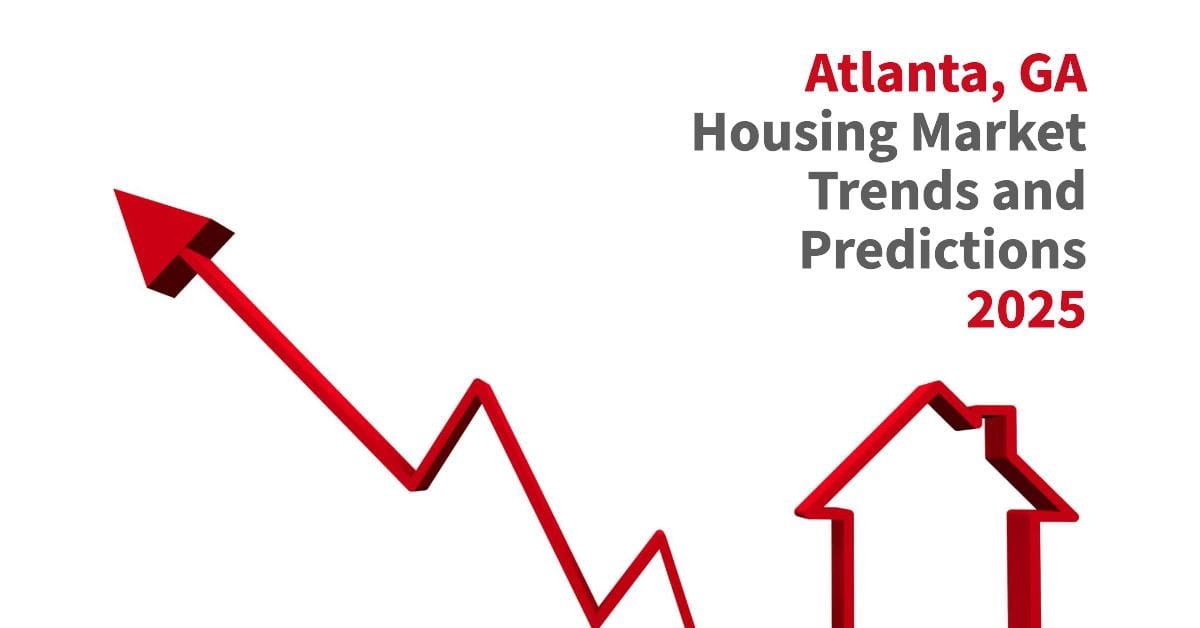
Atlanta’s housing market is shifting into a more balanced and predictable phase. Prices have leveled off, inventory has finally caught up, and mortgage rates are easing enough to bring buyers back into the game. With steady demand, growing listings, and only mild price corrections forecasted into 2026, Atlanta remains one of the Southeast’s strongest real estate markets for buyers, sellers, and investors alike.