Why Distressed Properties Could Be the Biggest CRE Opportunity of 2026
The commercial real estate world has pushed through two turbulent years, and while 2025 helped stabilize many sectors, 2026 is shaping up to be a year of acceleration — but only for professionals who know where to look. Brokers in CRE and the non‑QM lending space may find that the biggest opportunities ahead won’t come from booming markets, but from distressed ones.
The Shift Toward Creative Deal-Making
Xander Snyder, senior commercial real estate economist at First American, believes the coming year will challenge brokers to think differently about deal structure. In today’s competitive environment, he explains, “Competing solely on interest rates will limit brokers’ ability to win business. Instead, focus on creative terms beyond just the rate.”
As liquidity slowly returns to the market, brokers who can craft flexible, clever terms — especially for distressed assets — will be at a major advantage.
Distress Isn’t All Bad — It’s Opportunity
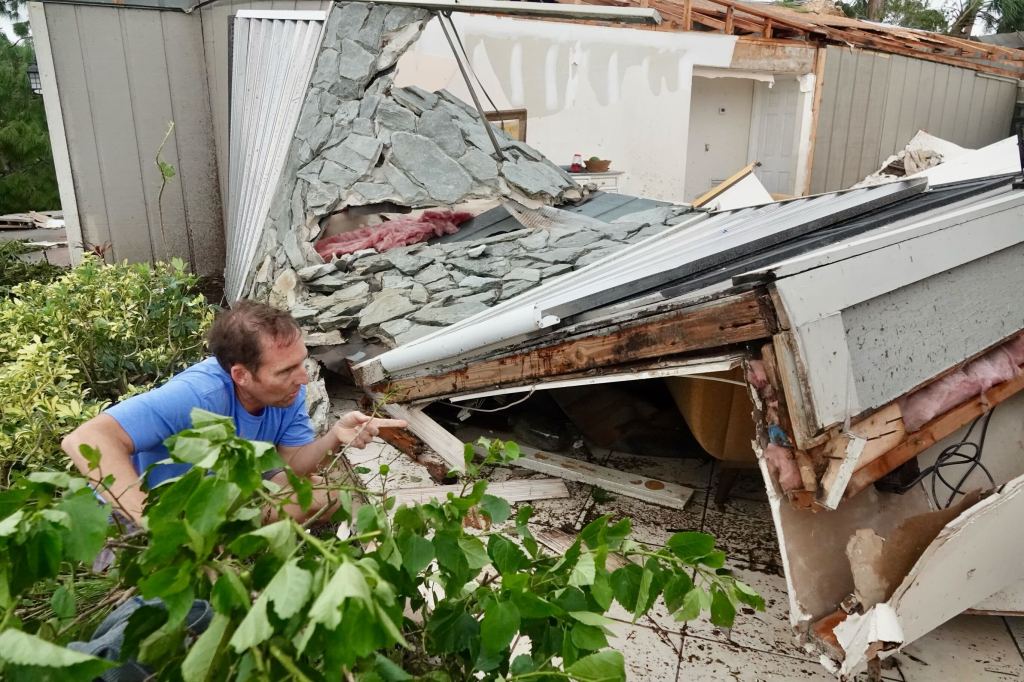
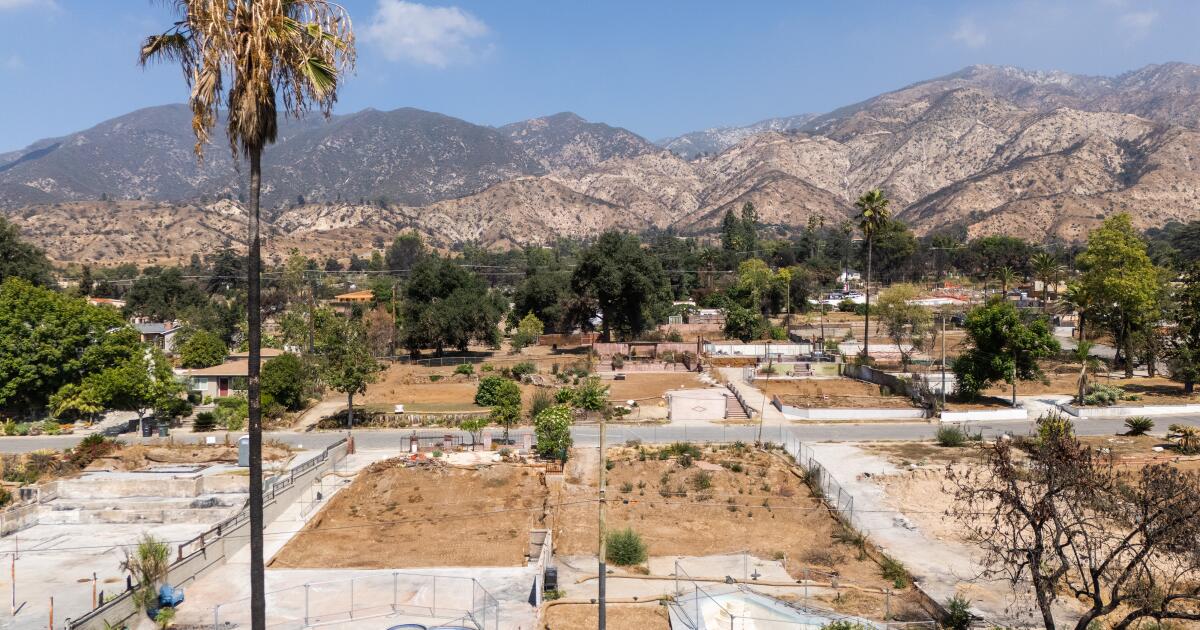
Many properties are still dealing with short-term issues such as capital structure missteps or temporary oversupply. While these challenges strain owners, they represent opportunity for brokers who understand how to identify recoverable vs. unrecoverable distress.
“Properties affected mainly by short-term issues should benefit from improving conditions and rising prices,” Snyder explains. “If a property is underwater but still servicing debt, lenders may extend until values recover, making these better candidates for refis later.”
But not all distress is the same. Some assets suffer from fundamental, long-term problems like location disadvantage, outdated amenities, or evaporated demand.
“If no one wants to lease the space, the property has little future,” Snyder warns. These assets often cannot be refinanced, making them prime candidates for repositioning, recapitalization, or adaptive reuse.
The Multifamily Distress Play
Snyder points to distressed multifamily as one of the most attractive opportunities of 2026. Discounts, recapitalizations, and improved agency debt options create ideal entry points for investors — and lucrative matchmaking opportunities for brokers.
With agencies increasing loan purchase caps by 20%, brokers can expect stronger demand from multifamily owners seeking new capital structures or rescue financing.
Office Remains the Wild Card
Office properties continue to wrestle with hybrid‑work realities. While top-tier buildings thrive, the majority face oversupply that experts predict may take years to absorb.
“Adaptive reuse is one option, but it’s costly and highly specialized,” Snyder notes. “Conversions haven’t occurred at a scale that meaningfully shifts the fundamentals.”
Still, many office assets will require debt restructuring — and for the brokers who embrace complexity, this means opportunity.
Non-QM Lending: The Quiet Giant of 2026
As traditional lenders grow cautious, non-QM capital continues expanding. Snyder expects significant growth in 2026, fueled by borrowers who fail agency guidelines but own strong income‑producing properties.
Non‑QM lenders, mezzanine financiers, and preferred equity sources will remain essential for distressed or near‑distressed assets seeking bridge capital, covenant cures, or restructuring.
Why This Matters for Professionals — And Future Licensees
For seasoned brokers, these trends signal increased deal flow and the resurgence of creative financing. For new professionals — especially those entering through real estate or mortgage licensing programs — this is the perfect moment to build expertise in distressed asset strategy.
If you’re pursuing a Florida real estate license, mortgage license, or continuing education, Cameron Academy offers programs designed around real‑world market shifts just like these. Understanding distressed assets and modern financing tools can elevate new professionals far above their competition.
In today’s CRE landscape, distress isn’t a warning sign — it’s a roadmap. The brokers who learn to read it will shape the next chapter of the industry.