Florida homeowners have been waiting years for relief from rising property insurance costs — and at long last, rate reductions are finally appearing. After a turbulent 2017–2024 era filled with hurricanes, legal chaos, and skyrocketing claim costs, legislative reforms passed in 2022 and 2023 have helped stabilize the market. Yet many homeowners are stunned to find their latest bill is still higher. If rates are down, why aren’t premiums following?
A recent Sun Sentinel opinion column by John W. Rollins, CEO of Patriot Select Property & Casualty Insurance Company, explains the hidden math behind this contradiction — and reveals what homeowners can actually do about it.
The Real Reason Premiums Keep Rising
Insurance premiums rely on two components: the rate (cost per $1,000 of replacement value) and the replacement value of the home. While rates soared during the height of Florida’s litigation surge, inflation simultaneously drove construction costs to record highs. Even now, as rates begin to fall, the replacement value continues to climb — and that value is what drives most of the final bill.
Florida’s Office of Insurance Regulation shows that the average premium per $1,000 of value rose from $4.59 in mid‑2022 to $5.15 in 2024, before easing to $5.00 in late 2025 — only a 9% increase over three years. Yet average total premiums jumped a staggering 34%, from $2,798 to $3,748.
Quick Insight: Nearly 75% of premium increases come from rising replacement values, not higher insurance rates.
So What Can Homeowners Do?
The good news? Homeowners have more control — and more options — than they might think.
1. Shop Around — Competition Is Back
Seventeen new insurers have joined Florida’s market since 2023, giving agents fresh options and homeowners renewed negotiating power. Falling rates mean potential savings for identical coverage.
2. Recalculate Your Replacement Value
Most companies rely on automated “inflation guard” adjustments, which may overshoot reality. Requesting a fresh valuation at renewal could prevent an unnecessary premium spike.
3. Reevaluate Your Risk
Improvements like updated roofs, new plumbing, hurricane‑resistant windows, or even a stronger credit score can meaningfully lower premiums. Discounts for seniors, veterans, smart home devices, and secure communities often go unused simply because insurers aren’t informed.
4. Consider Sharing More Risk
Choosing higher deductibles or opting for an “actual cash value” roof policy can reduce premiums significantly — just weigh the tradeoffs carefully after a claim.
A Turning Point for Florida
The broader industry outlook is increasingly optimistic. Reinsurance costs are falling. Litigation and fraudulent claims have plummeted. Market conditions are stabilizing. And for the first time in years, insurers are returning to Florida with confidence.
For real estate, mortgage, and insurance professionals, understanding these shifts is essential. At Cameron Academy, we help both new and seasoned professionals stay ahead of market changes that influence Florida’s property landscape. Whether you’re earning a real estate license, expanding into insurance, or deepening your industry expertise, staying educated gives you a major advantage in a transforming marketplace.
To dive deeper into Florida’s insurance data and analysis, read the full opinion piece by John W. Rollins at the Sun Sentinel website.
More Articles
Getting licensed or staying ahead in your career can be a journey—but it doesn’t have to be overwhelming. Grab your favorite coffee or tea, take a moment to relax, and browse through our articles. Whether you’re just starting out or renewing your expertise, we’ve got tips, insights, and advice to keep you moving forward. Here’s to your success—one sip and one step at a time!
Newman Properties, a Massachusetts-based investment firm, has expanded its footprint into Connecticut with the $3.65 million acquisition of a 6,350‑square‑foot retail building in Enfield. Anchored by national restaurant chain Red Robin, the property offers the type of stable tenancy investors seek when entering new markets. The deal underscores growing confidence in anchored retail assets and provides a valuable real-world example for real estate professionals studying market analysis, investment strategy, and portfolio expansion.
JPMorgan now expects national home prices to flatten in 2026, but the Sunbelt is telling a very different story. Florida home values are down 5.1%, Texas is down 2.4%, and analysts warn that years of rapid building are finally catching up to the region. As demand stabilizes and inventory swells, real estate professionals — especially in Florida — face a market full of challenges, opportunities, and critical timing decisions.
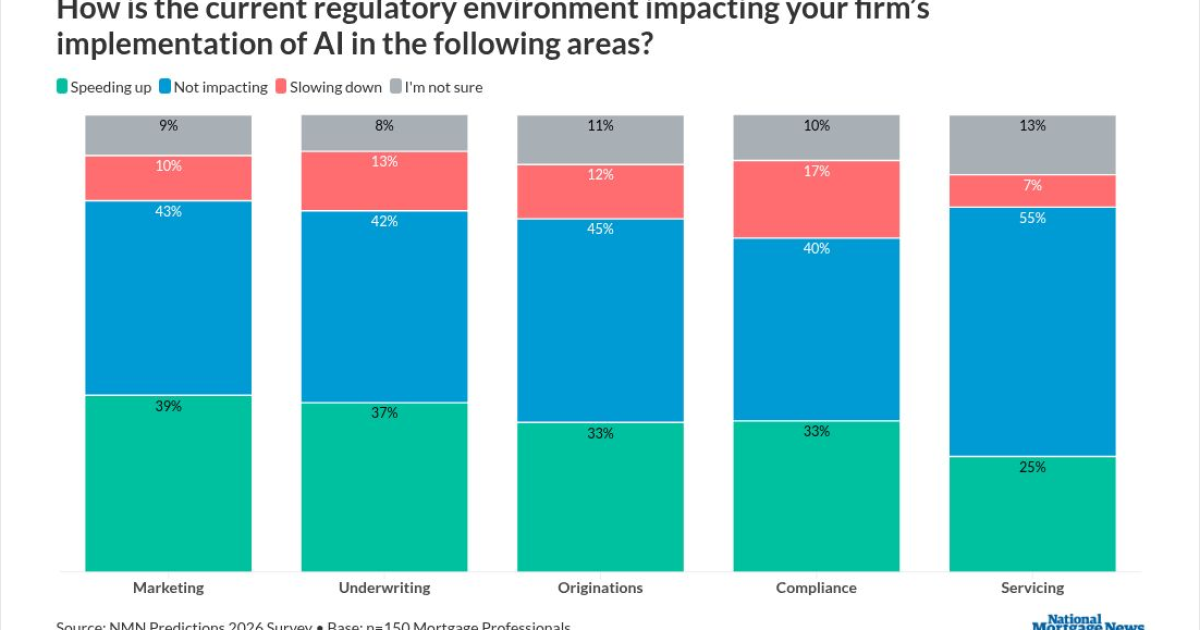
Artificial intelligence is finally stepping into the mortgage underwriting spotlight, with 57% of mortgage professionals predicting it will drive the most transformative industry shift in 2026. Thanks to major advancements in language models and workflow automation, AI is now capable of navigating the messy, document-heavy realities that have long slowed underwriting. From faster preapprovals to improved credit analysis and real‑time income verification, AI is streamlining processes while allowing underwriters to focus on true risk management. As regulatory winds shift and grassroots pressure builds within lending teams, the industry is entering a pivotal era where AI‑powered underwriting becomes not just an advantage — but an expectation.
Portland’s top 20 office towers have lost an unprecedented 70% of their value since 2019—plunging from $3 billion to under $1 billion—triggering tax revenue shortfalls, budget crises, and a surge in appeals as the city grapples with its biggest commercial real estate reset in modern history.
South Florida’s luxury real estate market just raised the bar again — this time with a $1 million virtual reality system that lets buyers walk through Dolce & Gabbana’s upcoming Miami tower long before construction wraps. Real estate master’s students were given an immersive look inside the project, discovering how VR is transforming high‑end development, influencing buyer psychology, and shaping the future skills today’s professionals need.
Long Island’s commercial real estate scene is kicking off 2026 with a surge of activity—industrial leases in Medford, neighborhood retail trades in Bohemia, Pizza Hut’s new DELCO expansion in Centereach, mixed‑use acquisitions in Melville, and major investor interest in bank‑leased and franchise-backed properties. From warehouses to restaurant rebrands, these deals highlight a region evolving fast and offering fresh opportunities for agents, investors, and professionals looking to stay ahead in the market.