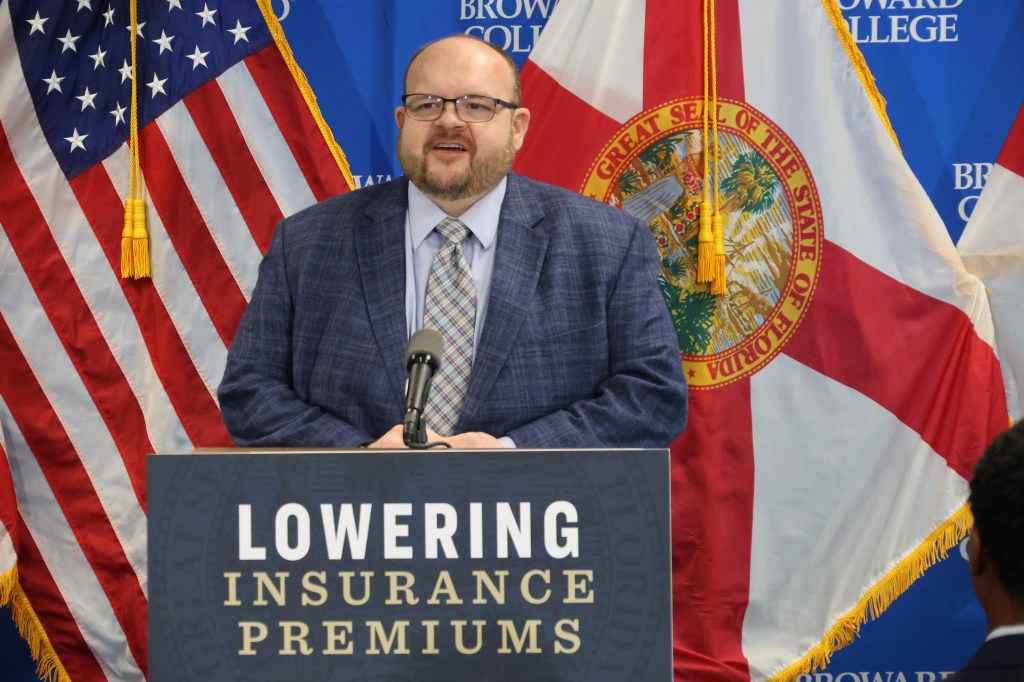
Florida homeowners have been waiting years for relief from rising property insurance costs — and at long last, rate reductions are finally appearing. After a turbulent 2017–2024 era filled with hurricanes, legal chaos, and skyrocketing claim costs, legislative reforms passed in 2022 and 2023 have helped stabilize the market. Yet many homeowners are stunned to find their latest bill is still higher. If rates are down, why aren’t premiums following?
A recent Sun Sentinel opinion column by John W. Rollins, CEO of Patriot Select Property & Casualty Insurance Company, explains the hidden math behind this contradiction — and reveals what homeowners can actually do about it.
The Real Reason Premiums Keep Rising
Insurance premiums rely on two components: the rate (cost per $1,000 of replacement value) and the replacement value of the home. While rates soared during the height of Florida’s litigation surge, inflation simultaneously drove construction costs to record highs. Even now, as rates begin to fall, the replacement value continues to climb — and that value is what drives most of the final bill.
Florida’s Office of Insurance Regulation shows that the average premium per $1,000 of value rose from $4.59 in mid‑2022 to $5.15 in 2024, before easing to $5.00 in late 2025 — only a 9% increase over three years. Yet average total premiums jumped a staggering 34%, from $2,798 to $3,748.
Quick Insight: Nearly 75% of premium increases come from rising replacement values, not higher insurance rates.
So What Can Homeowners Do?
The good news? Homeowners have more control — and more options — than they might think.
1. Shop Around — Competition Is Back
Seventeen new insurers have joined Florida’s market since 2023, giving agents fresh options and homeowners renewed negotiating power. Falling rates mean potential savings for identical coverage.
2. Recalculate Your Replacement Value
Most companies rely on automated “inflation guard” adjustments, which may overshoot reality. Requesting a fresh valuation at renewal could prevent an unnecessary premium spike.
3. Reevaluate Your Risk
Improvements like updated roofs, new plumbing, hurricane‑resistant windows, or even a stronger credit score can meaningfully lower premiums. Discounts for seniors, veterans, smart home devices, and secure communities often go unused simply because insurers aren’t informed.
4. Consider Sharing More Risk
Choosing higher deductibles or opting for an “actual cash value” roof policy can reduce premiums significantly — just weigh the tradeoffs carefully after a claim.
A Turning Point for Florida
The broader industry outlook is increasingly optimistic. Reinsurance costs are falling. Litigation and fraudulent claims have plummeted. Market conditions are stabilizing. And for the first time in years, insurers are returning to Florida with confidence.
For real estate, mortgage, and insurance professionals, understanding these shifts is essential. At Cameron Academy, we help both new and seasoned professionals stay ahead of market changes that influence Florida’s property landscape. Whether you’re earning a real estate license, expanding into insurance, or deepening your industry expertise, staying educated gives you a major advantage in a transforming marketplace.
To dive deeper into Florida’s insurance data and analysis, read the full opinion piece by John W. Rollins at the Sun Sentinel website.
More Articles
Getting licensed or staying ahead in your career can be a journey—but it doesn’t have to be overwhelming. Grab your favorite coffee or tea, take a moment to relax, and browse through our articles. Whether you’re just starting out or renewing your expertise, we’ve got tips, insights, and advice to keep you moving forward. Here’s to your success—one sip and one step at a time!
Florida’s property insurance market is finally showing signs of recovery after years of soaring premiums, litigation chaos, and insurer withdrawals. With rate increases now the lowest in the nation, Citizens Insurance shrinking, and new carriers re‑entering the state, Insurance Commissioner Michael Yaworsky says the market is turning a corner. But while stabilization is underway, many homeowners are still asking why premiums haven’t dropped—and the answer lies in skyrocketing replacement costs, not rates. As reforms continue and AI, transparency rules, and mitigation incentives expand, real estate and insurance professionals should prepare for an evolving landscape that directly impacts affordability, buyer behavior, and long‑term market confidence.
In a candid conversation with Mortgage Professional America, NAMB president Kimber White lays out a series of structural reforms aimed at restoring homeownership access for millions of Americans. From revitalizing down payment assistance to rethinking loan-level price adjustments and incentivizing builders, White argues that meaningful affordability relief is achievable—but only through coordinated policy changes that address both costs and inventory shortages.
Artificial intelligence is rapidly transforming the insurance world, but a major power struggle is unfolding over who gets to regulate it. As insurers adopt AI at record speed, state regulators and the federal government are clashing over oversight authority—especially after a new executive order aims to put Washington in charge. With states pushing back and new evaluation tools on the horizon, the future of AI in insurance is becoming one of the biggest regulatory battles professionals need to watch.
A new CBRE Investor Intentions Survey shows that 2026 is shaping up to be a strong year for commercial real estate, with 95 percent of investors planning to buy more assets and over half increasing their capital allocation. Stabilizing pricing, improving market fundamentals, and expectations of cooling debt costs are driving renewed optimism as investors target high‑growth markets like Dallas, Atlanta, Tampa, and Charlotte, while doubling down on multifamily, industrial, and value‑add strategies.
Lofty has introduced Lofty AOS, the first agentic AI operating system built to autonomously manage real estate workflows—from lead engagement to marketing, transactions, and website creation. Unlike traditional AI that waits for prompts, Lofty’s system operates like a full digital workforce, coordinating tasks across specialized AI agents. As this technology transforms daily operations for agents and brokerages, professionals with strong training and licensing will become even more essential.
The Federal Reserve has started 2026 by keeping interest rates unchanged, despite political pressure, stubborn inflation, and a cooling job market. While consumers don’t pay the federal funds rate directly, its effects ripple through mortgages, credit cards, auto loans, and savings accounts. Mortgage affordability remains tight, credit card APRs are easing slowly, auto loan balances are climbing, and savings yields are one of the few bright spots. For real estate, mortgage, and finance professionals, understanding these shifts is essential as the market braces for another complex year.