Why Homeownership in California Isn’t the Slam Dunk It Used to Be
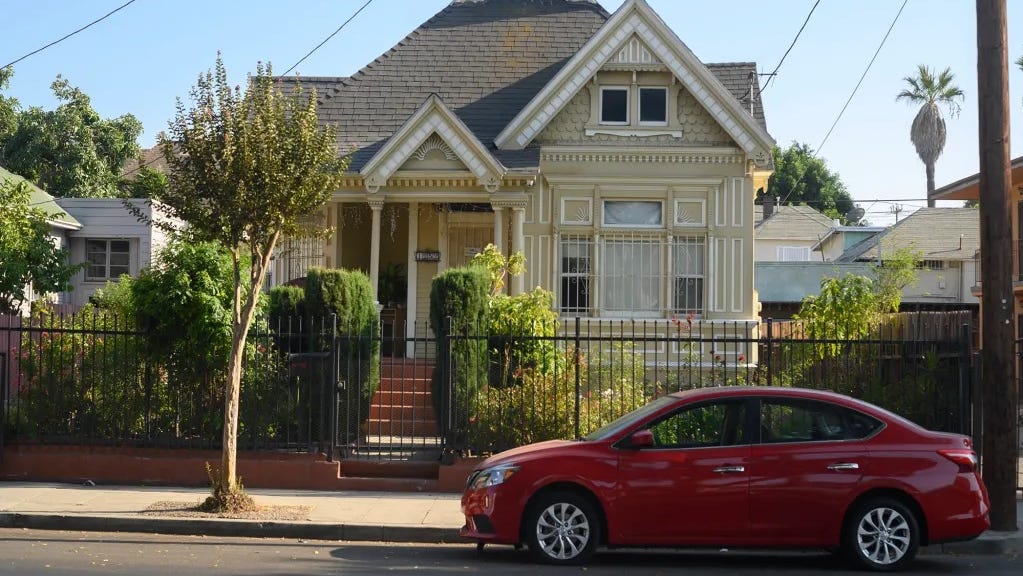
California home market

For decades, buying a home in California symbolized the American Dream — stability, status, and long-term wealth. But as 2025 winds down, that dream is undergoing a dramatic transformation. According to an in‑depth report originally published by CalMatters, skyrocketing home prices, elevated interest rates, and stagnating rent growth have shifted the financial landscape: in many parts of the state, renting may now outperform owning.

The Price of the Dream Has Never Been Higher

California’s homeownership rate sits near 55%, one of the lowest in the nation. Policymakers continue pushing for accessible pathways to ownership, but the numbers tell a sobering story. With the median U.S. home priced at $426,800 and California’s median soaring to $852,680, affordability remains elusive. In markets like San Francisco, single‑family homes regularly exceed $1.38 million.

With mortgage rates hovering above 6%, monthly ownership costs of $4,000 to $6,000 are becoming the norm. In counties like Orange, Los Angeles, and San Francisco, owning can cost up to four times more than renting. This steep “buying premium” leaves many households reevaluating traditional financial assumptions.

Is Renting the Smarter Financial Strategy?

For Californians who can afford to choose, renting no longer carries its old stigma. Stabilized rents and surging ownership costs have given rise to a new trend: high‑income renters investing the difference elsewhere. Over the long term, diversified investments often outperform median home price appreciation — even without the homeowner tax advantages.

Redfin economist Daryl Fairweather explains, “More people are starting to be interested in renting and saving at the same time.” The decision varies by region, rent control protections, maintenance expectations, insurance challenges, and how long someone expects to stay put. Tools like the New York Times’ rent‑vs‑buy calculator highlight how surprisingly close — and complex — the comparison can be.

Why Some Still See Ownership as Worth It

Despite soaring prices, homeownership retains benefits that renting can’t always match. Detached homes with more space, privacy, and desirable neighborhoods are typically owner‑occupied. Families cite improved school districts, increased stability, and the emotional satisfaction of customizing a long‑term home.

There’s also the advantage of forced savings. A mortgage builds equity automatically, whereas renters must actively allocate — and resist spending — the money they save.

A New Era for Aspiring Real Estate Professionals

As California navigates its shifting housing market, real estate professionals face one of the most dynamic environments in the country. Understanding these trends isn’t just useful — it’s essential for career growth. For those entering real estate, mortgage, appraisal, or related fields, deep market literacy could shape future opportunities.

If you’re considering a path in real estate or expanding into additional licenses, Cameron Academy offers accessible online courses designed to prepare you for today’s evolving market. Whether guiding clients through rent‑vs‑buy decisions or shaping your own investment strategies, the right education can set you apart.

California’s Housing Future: Uncertain but Unfolding

Homeownership in California has shifted from an assumed milestone to a highly personalized financial choice. For some, the dream remains alive. For others, renting offers flexibility, lower risk, and greater financial breathing room. One thing is clear: the decades‑old belief that “buying is always better” no longer reflects today’s reality.

For the complete original reporting and deeper insights into California’s complex housing market, explore the full CalMatters coverage below.

Read the original CalMatters report

More Articles

Getting licensed or staying ahead in your career can be a journey—but it doesn’t have to be overwhelming. Grab your favorite coffee or tea, take a moment to relax, and browse through our articles. Whether you’re just starting out or renewing your expertise, we’ve got tips, insights, and advice to keep you moving forward. Here’s to your success—one sip and one step at a time!

Florida Flood Insurance Costs Surge as FEMA’s New Rating System Reshapes the Market

Flood insurance premiums across Florida are climbing fast, with more than 80% of NFIP policyholders seeing annual increases under FEMA’s Risk Rating 2.0. Some counties now face hikes exceeding $3,500 per year, adding pressure in a state where homeowners insurance already averages nearly $11,000 annually. As risk-based pricing takes hold and climate impacts intensify, Florida homeowners — and the real estate pros who advise them — must prepare for continued premium growth and major county‑to‑county disparities.

Insurance Market Outlook 2026: Stability Emerges as AI and Smart Underwriting Take the Lead

As insurers step into 2026, the property and casualty market shows its first signs of real stability after several turbulent years. Q4 results reveal disciplined underwriting, cooling rate hikes, and steady premium growth across major carriers. Commercial lines show selective momentum, personal lines begin to level out, and AI-driven efficiency becomes the industry’s new engine for profitability. With catastrophe losses moderating and tech adoption accelerating, professionals across insurance, real estate, and finance can expect a pivotal year—and an ideal moment to sharpen their skills through continuing education.

Commercial Investors Set to Boost Buying in 2026, With Dallas Leading for the Fifth Year

A new CBRE survey shows that most U.S. commercial real estate investors expect to increase their property purchases in 2026, signaling renewed confidence and market stabilization. Dallas remains the nation’s top target for the fifth straight year, followed by high‑growth metros like Atlanta, San Francisco, Miami, Charlotte, Raleigh‑Durham, Nashville, Tampa, Seattle, and New York City. These cities continue to draw strong investor interest due to population growth, business expansion, and robust development activity.

Florida’s 2026 Insurance Market Finally Stabilizes—But Homeowners Still Feel the Pinch

Florida Insurance Commissioner Michael Yaworsky says the state's turbulent property insurance market is finally calming, with Florida posting the lowest rate increases in the nation last year. Yet rising home replacement costs mean many homeowners won’t see relief in their premiums just yet. With Citizens Insurance shrinking, new legislative priorities emerging, and long‑term reforms taking hold, Florida’s real estate and insurance professionals are entering 2026 with cautious optimism and a clearer picture of what’s ahead.

Investors Prepare for Major Commercial Real Estate Surge in 2026

A new CBRE survey shows investor optimism surging as 95% plan to buy more or the same amount of commercial real estate in 2026, with over half increasing their capital allocation. Stabilizing values, improving fundamentals, and expected relief in debt costs are driving renewed confidence, putting markets like Dallas, Atlanta, and Tampa in the spotlight as multifamily and industrial assets lead demand.

AI in Mortgages Has Officially Become a Must‑Have

Artificial intelligence has moved from industry buzzword to essential mortgage‑lending tool, reshaping how loan officers work, communicate and compete. From smarter lead targeting to rapid content creation and CRM‑powered automation, AI is now the dividing line between lenders who scale efficiently and those stuck in manual workflows. This article breaks down why AI adoption is no longer optional, how top lenders are using it and what mortgage professionals must do now to stay competitive.