
Why Lower Rates Aren’t Saving Commercial Real Estate (Yet)

Commercial real estate finance

The Federal Reserve has begun cutting interest rates again—something commercial real estate investors hoped would finally bring relief after years of upward pressure. Yet instead of creating momentum, the market remains frozen. Deals stall. Refinancing panic grows. And long-term borrowing costs refuse to follow the Fed’s lead.

For investors across Florida and the nation—especially those sharpening their expertise through institutions like Cameron Academy—understanding this disconnect is critical for navigating the months ahead.

Short-Term Rates Are Falling. Long-Term Rates Aren’t.

The Fed cut its benchmark rate to 3.75%–4.00% in October 2025. Traditionally, that should unlock cheaper borrowing. But the 10-year Treasury yield—the anchor for commercial mortgages—has hovered around 4.1% and recently ticked upward.

Why it matters:
Commercial mortgages follow long-term Treasuries, not the Fed funds rate. So even when the Fed cuts, persistent inflation fears keep long-term yields—and mortgage rates—stubbornly elevated.

Today’s commercial mortgages often sit 200–300 basis points above Treasuries, turning what once seemed “exceptionally high” into the industry’s uncomfortable new standard.

The Math That Broke the Market

A retail property that thrived in 2021 at a 5% cap rate with 65% leverage and 3% debt becomes nearly impossible to finance today when that same debt now demands 7%.

Sellers cling to yesterday’s valuations. Buyers underwrite today’s reality. The result? A national transaction slowdown that refuses to budge.

The Trillion-Dollar Refinancing Wave

Nearly $1 trillion in commercial loans will mature soon—many written during the unusually low-rate era of 2020–2021.

A $50M loan at 3% costs $1.5M per year in interest. At 7%, that cost rockets to $3.5M—an annual increase that many properties simply cannot absorb.

The consequence:
Borrowers must inject equity, sell at a loss, or default. While office assets get the most headlines, this challenge extends across property types where income growth hasn’t kept pace with rates.

Where Smart Investors See Opportunity

This environment isn’t just stressful—it’s a strategic opening. Well-capitalized investors are watching for owners who can’t refinance, paving the way for acquisitions at realistic prices or offering rescue capital at premium terms.

Private credit funds are already stepping in, frequently earning 10%+ on junior debt.

A New Era of Return Expectations

Investors accustomed to double-digit levered returns during cheap-debt years are adjusting their expectations. Today, an 8% return on a stable asset may be far more attractive when viewed through a risk-adjusted lens.

Operational strength—not financial engineering—is becoming the true differentiator.

Positioning for What’s Next

The coming year won’t be defined by rapid deal-making, but by preparation. The refinancing wave will create opportunities slowly—and the most disciplined investors will capture the best ones.

• Underwrite using today’s rates, not tomorrow’s hopes
• Prioritize strong day-one cash flow
• Focus on fundamentals over speculation
• Stay ready to pounce when distressed assets emerge

Bottom Line

Rate cuts alone can’t rescue commercial real estate while long-term yields remain elevated. But for investors who understand these dynamics, the next several quarters may reveal the most attractive buying conditions in years.

For professionals expanding their expertise—whether in real estate, mortgage, insurance, finance, or beyond—staying ahead of market shifts is essential. Educational partners like Cameron Academy help ensure you’re not just licensed, but fully prepared for the evolving landscape.

Source: WealthManagement.com

More Articles

Getting licensed or staying ahead in your career can be a journey—but it doesn’t have to be overwhelming. Grab your favorite coffee or tea, take a moment to relax, and browse through our articles. Whether you’re just starting out or renewing your expertise, we’ve got tips, insights, and advice to keep you moving forward. Here’s to your success—one sip and one step at a time!

2025 Commercial Real Estate Outlook: Navigating a New Era

The commercial real estate landscape is on the brink of transformation as leaders seek to navigate the challenges of recent years and position their organizations for future opportunities.

The Emerging Mental Health Crisis Among Healthcare Workers During the COVID-19 Pandemic

The pandemic has ushered in a wave of mental health challenges that affect healthcare workers profoundly. From the onset of COVID-19, these professionals have been at the forefront, facing immense pressure, long hours, and the constant fear of exposure.

By |December 18, 2024|Categories: Article, Healthcare Workers, Mental Health|Tags: , |0 Comments

Ethical Concerns of Large Language Models in Healthcare

Exploring the dual nature of LLMs offers substantial benefits in healthcare but also raises significant ethical concerns, underscoring the need for well-defined guidelines and human oversight.

The Role of Wearable Devices in Chronic Disease Monitoring and Patient Care: A Comprehensive Review

Wearable devices have become integral in managing chronic conditions by providing continuous health data, empowering patients and healthcare professionals with insights that were previously unattainable.

AI Training Mandates: Navigating Legal Waters in Dentistry

The integration of artificial intelligence (AI) into dental practices is more than a technological trend; it represents a seismic shift in the industry. This transformation is reshaping skill sets and prompting a thorough examination of legal and ethical implications.

By |December 17, 2024|Categories: Article, Legal, Technology|Tags: , |0 Comments

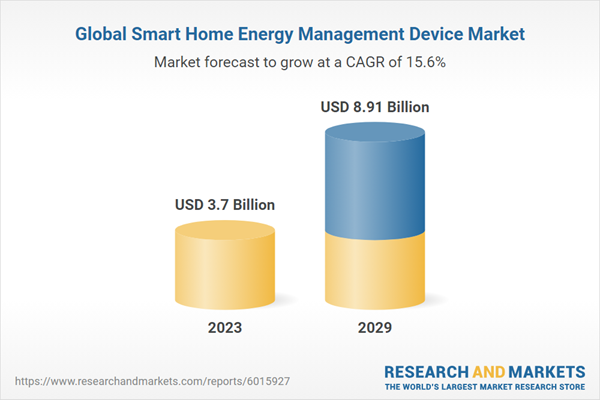
Smart Home Energy Management Devices: A Market Poised for Growth

The Global Smart Home Energy Management Device Market is on the brink of a significant transformation, driven by escalating demands for energy-efficient solutions and the increasing adoption of smart home technologies.