Why Lower Rates Aren’t Saving Commercial Real Estate (Yet)

Commercial real estate finance

The Federal Reserve has begun cutting interest rates again—something commercial real estate investors hoped would finally bring relief after years of upward pressure. Yet instead of creating momentum, the market remains frozen. Deals stall. Refinancing panic grows. And long-term borrowing costs refuse to follow the Fed’s lead.

For investors across Florida and the nation—especially those sharpening their expertise through institutions like Cameron Academy—understanding this disconnect is critical for navigating the months ahead.

Short-Term Rates Are Falling. Long-Term Rates Aren’t.

The Fed cut its benchmark rate to 3.75%–4.00% in October 2025. Traditionally, that should unlock cheaper borrowing. But the 10-year Treasury yield—the anchor for commercial mortgages—has hovered around 4.1% and recently ticked upward.

Why it matters:
Commercial mortgages follow long-term Treasuries, not the Fed funds rate. So even when the Fed cuts, persistent inflation fears keep long-term yields—and mortgage rates—stubbornly elevated.

Today’s commercial mortgages often sit 200–300 basis points above Treasuries, turning what once seemed “exceptionally high” into the industry’s uncomfortable new standard.

The Math That Broke the Market

A retail property that thrived in 2021 at a 5% cap rate with 65% leverage and 3% debt becomes nearly impossible to finance today when that same debt now demands 7%.

Sellers cling to yesterday’s valuations. Buyers underwrite today’s reality. The result? A national transaction slowdown that refuses to budge.

The Trillion-Dollar Refinancing Wave

Nearly $1 trillion in commercial loans will mature soon—many written during the unusually low-rate era of 2020–2021.

A $50M loan at 3% costs $1.5M per year in interest. At 7%, that cost rockets to $3.5M—an annual increase that many properties simply cannot absorb.

The consequence:
Borrowers must inject equity, sell at a loss, or default. While office assets get the most headlines, this challenge extends across property types where income growth hasn’t kept pace with rates.

Where Smart Investors See Opportunity

This environment isn’t just stressful—it’s a strategic opening. Well-capitalized investors are watching for owners who can’t refinance, paving the way for acquisitions at realistic prices or offering rescue capital at premium terms.

Private credit funds are already stepping in, frequently earning 10%+ on junior debt.

A New Era of Return Expectations

Investors accustomed to double-digit levered returns during cheap-debt years are adjusting their expectations. Today, an 8% return on a stable asset may be far more attractive when viewed through a risk-adjusted lens.

Operational strength—not financial engineering—is becoming the true differentiator.

Positioning for What’s Next

The coming year won’t be defined by rapid deal-making, but by preparation. The refinancing wave will create opportunities slowly—and the most disciplined investors will capture the best ones.

• Underwrite using today’s rates, not tomorrow’s hopes
• Prioritize strong day-one cash flow
• Focus on fundamentals over speculation
• Stay ready to pounce when distressed assets emerge

Bottom Line

Rate cuts alone can’t rescue commercial real estate while long-term yields remain elevated. But for investors who understand these dynamics, the next several quarters may reveal the most attractive buying conditions in years.

For professionals expanding their expertise—whether in real estate, mortgage, insurance, finance, or beyond—staying ahead of market shifts is essential. Educational partners like Cameron Academy help ensure you’re not just licensed, but fully prepared for the evolving landscape.

Source: WealthManagement.com

More Articles

Getting licensed or staying ahead in your career can be a journey—but it doesn’t have to be overwhelming. Grab your favorite coffee or tea, take a moment to relax, and browse through our articles. Whether you’re just starting out or renewing your expertise, we’ve got tips, insights, and advice to keep you moving forward. Here’s to your success—one sip and one step at a time!

Los Alamitos at a Breaking Point After 18 Racehorse Deaths Spur Emergency Safety Demands

Los Alamitos Race Course is facing its most serious crisis in years after 18 horses died in 2025, prompting regulators to warn the track that its racing license is at risk without immediate safety reforms. Following three catastrophic injuries in a single day, the California Horse Racing Board has ordered urgent changes—including more veterinarians, stricter medication rules, and enhanced on‑track medical support—as pressure mounts for stronger oversight in a sport already under national scrutiny.

Why Canadian Investors Are Flooding U.S. Real Estate Despite Tariffs and Tensions

Canadian investors have poured more than US$5.8 billion into U.S. commercial real estate this year, making the U.S. their top destination even amid a lingering tariff dispute. Tight inventory in Canada and greater deal availability south of the border are driving the trend, with data centers and industrial properties emerging as the hottest targets for 2025.

Florida’s Insurance Chief Warns Homeowners: Most Don’t Understand Their Policies

Florida’s insurance commissioner says even industry pros struggle to read today’s 150‑page homeowners policies—leaving residents shocked when hurricane claims are denied. With rising premiums, high replacement costs, and widespread confusion over exclusions like flood and water damage, the state is pushing for simpler, clearer policy language so homeowners know what they’re actually covered for before the next storm hits.

Post‑Election Power Plays: How Major U.S. Cities Are Quietly Redrawing the Real Estate Map

Following the 2025 elections, major metros like New York, Chicago, Miami, Los Angeles, and Boston are implementing policy shifts that could reshape property values, rental income, development timelines, and investment strategy heading into 2026. From New York’s push toward aggressive rent reform to Chicago’s sustainability mandates and Miami’s uncertain mayoral runoff, these changes signal a new era where local politics increasingly dictate market performance. This breakdown highlights the biggest post‑election real estate pivots and what they mean for investors, agents, and finance professionals preparing for a rapidly evolving landscape.

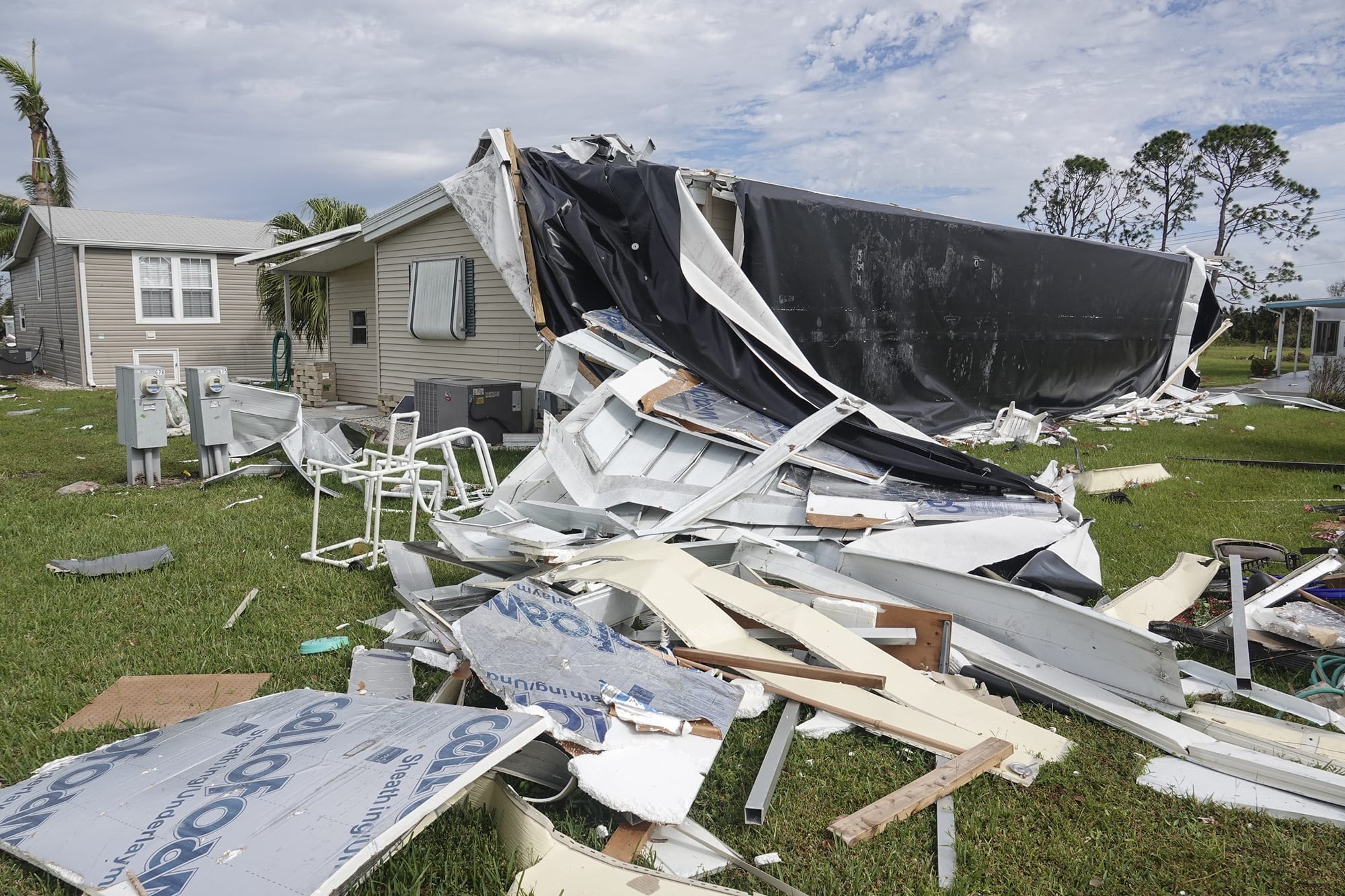
Florida Insurance Boss Drops a Truth Bomb: Most Homeowners Have No Idea What They’re Actually Covered For

Florida’s Insurance Commissioner is sounding the alarm after thousands of homeowners discovered—only after hurricanes Helene and Milton—that the coverage they thought they had didn’t exist. With nearly 150,000 unpaid claims tied to misunderstood flood exclusions, water‑damage caps, and buried policy clauses, state leaders are pushing to simplify the dense, confusing documents most Floridians never read. As insurance costs remain one of the state’s top concerns, this growing complexity is creating a massive opportunity for real estate, mortgage, and insurance professionals to guide consumers before disaster strikes.

Florida’s Insurance “Fixes” Backfire as Homeowners Face Higher Costs and Riskier Insurers

Florida’s insurance market is reliving an old crisis under a new name. Despite reforms meant to stabilize the system, homeowners are being forced out of Citizens and into pricier policies from small insurers with shaky financial histories. Companies tied to past insolvencies are returning with fresh branding, while highly rated carriers continue to deny a majority of claims. With political influence muddying regulation and climate risks rising, experts warn that only a full structural overhaul—not cosmetic reforms—can restore confidence for homeowners, agents, and the entire real estate market.