Why Lower Rates Still Haven’t Unlocked Commercial Real Estate
The Federal Reserve has begun cutting interest rates, a shift that should, in theory, offer long‑awaited relief to commercial real estate. Yet for investors, lenders, and owners navigating the late‑2025 economy, that relief remains elusive. The sector sits in a fragile equilibrium where risk meets opportunity—an environment where patience may be one of the strongest investment strategies available.
When Rate Cuts Don’t Cut It
The Fed trimmed its benchmark rate to the 3.75%–4.00% range in October 2025. Under typical economic conditions, this would reduce borrowing pressure. But the long‑term Treasury market didn’t cooperate. The 10‑year Treasury yield rose after the announcement, hovering around 4.1%—a sign that bond investors remain unconvinced that inflation is fully tamed.
Because commercial mortgages follow long‑term Treasuries—not the Fed funds rate—the rise in yields has kept commercial financing expensive. Most commercial loans still price at 200 to 300 basis points above the 10‑year Treasury.
This has forced investors into a new reality: deal structures from the pre‑2022 era simply don’t compute the same way anymore.
A retail asset that sold at a 5% cap rate using 65% leverage at 3% interest in 2021 now faces a new baseline. Today’s buyer might need a 6.5% cap rate while borrowing at 7%. Under that math, leverage no longer amplifies returns—it erodes them.
This misalignment explains the sluggish transaction volume. Sellers remain emotionally tied to 2021 valuations, while buyers must underwrite based on today’s lending realities. The spread is narrowing, but far from resolved.
The Trillion‑Dollar Refinancing Squeeze
The biggest risk isn’t tied to new acquisitions—it’s the enormous wave of maturing debt. Nearly $1 trillion in commercial loans will come due over the next several quarters, much of it financed between 2020 and 2021 at historically low rates.
A property with a $50 million loan at 3% paid $1.5 million in annual interest. Refinancing at 7% nearly triples that cost to $3.5 million. Without significant income growth, owners may need to inject equity, sell at a discount, or in some cases, walk away entirely.
Office assets face the most pressure due to remote work, but any property with flat or declining NOI is exposed.
Where Distress Creates Opportunity
For well‑capitalized investors, the next several quarters may offer the strongest buying conditions in years. Rescue capital, preferred equity, mezzanine loans, and discounted deals are becoming increasingly common as non‑bank lenders rapidly fill gaps left by traditional banks.
Private credit issuers are deploying junior debt at yields of 10% or higher, creating fertile ground for investors who can underwrite quickly and confidently.
A New Era of Return Expectations
The hardest adjustment may be psychological. When debt was 3% and cap rates were 5%, double‑digit leveraged returns were easy to achieve. Today, even a disciplined investment at a 6.5% cap rate with 7% financing might deliver an 8% equity return.
While less flashy, these returns are rooted in fundamentals rather than aggressive financial engineering—a healthier and more sustainable foundation for the industry.
Positioning for the Next Phase
The market in late‑2025 is defined by slower, more deliberate movement. As long‑term yields remain elevated despite short‑term rate cuts, investors must underwrite conservatively, prioritize real cash flow, and remain cautious of deals relying solely on cap rate compression.
Distress will surface gradually as refinancing deadlines hit. Those ready to move decisively when the right opportunities emerge will be the ones who win.
The Bottom Line
Despite the Fed’s cuts, commercial real estate remains in a transitional phase. With long‑term yields staying stubbornly high, refinancing pressures building, and valuations adjusting, the market is moving into a new chapter—one that may hold extraordinary opportunities for patient and strategic investors.
For professionals looking to deepen their expertise or advance their real estate education, Cameron Academy remains a trusted national resource for licensing, continuing education, and professional growth across real estate, finance, insurance, and more.
More Articles
Getting licensed or staying ahead in your career can be a journey—but it doesn’t have to be overwhelming. Grab your favorite coffee or tea, take a moment to relax, and browse through our articles. Whether you’re just starting out or renewing your expertise, we’ve got tips, insights, and advice to keep you moving forward. Here’s to your success—one sip and one step at a time!
Florida’s property insurance system is once again spiraling as new “market-friendly” reforms fail to stabilize rising premiums, insurer failures, and mounting homeowner frustration. Despite aggressive efforts to shift policyholders from Citizens to private carriers, many of the new insurers stepping in are tied to past insolvencies, questionable ratings, and political influence. For real estate, mortgage, and insurance professionals, these systemic cracks are reshaping closings, valuations, and risk across the state—making it essential to stay ahead of ongoing regulatory and market shifts.
Commercial real estate is heading into a turning‑point year in 2026, driven by economic uncertainty, AI‑powered transformation, shifting demographics and rising portfolio risk. Insights from The Counselors of Real Estate highlight the top issues shaping the year ahead—from fiscal pressures and capital constraints to housing shortages, global volatility and the future of data‑driven decision‑making. For real estate, mortgage, insurance and finance professionals, these trends offer a clear roadmap for staying competitive and preparing for the next wave of industry change.
AI-powered tools, fraud protection systems, and smarter MLS integrations are sweeping through the real estate industry as major organizations adopt new technologies. From RealReports hitting its 50th partnership to BeachesMLS unveiling instant AI home visualizations and Doorify boosting security, professionals are seeing rapid advancements that promise sharper insights, safer transactions, and more efficient rental workflows. This evolving tech landscape underscores the importance of staying educated and adaptable — especially for agents preparing for a competitive, AI-enhanced 2025 market.
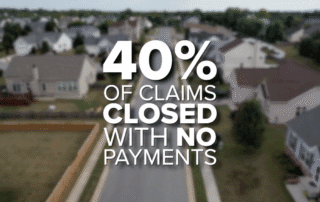
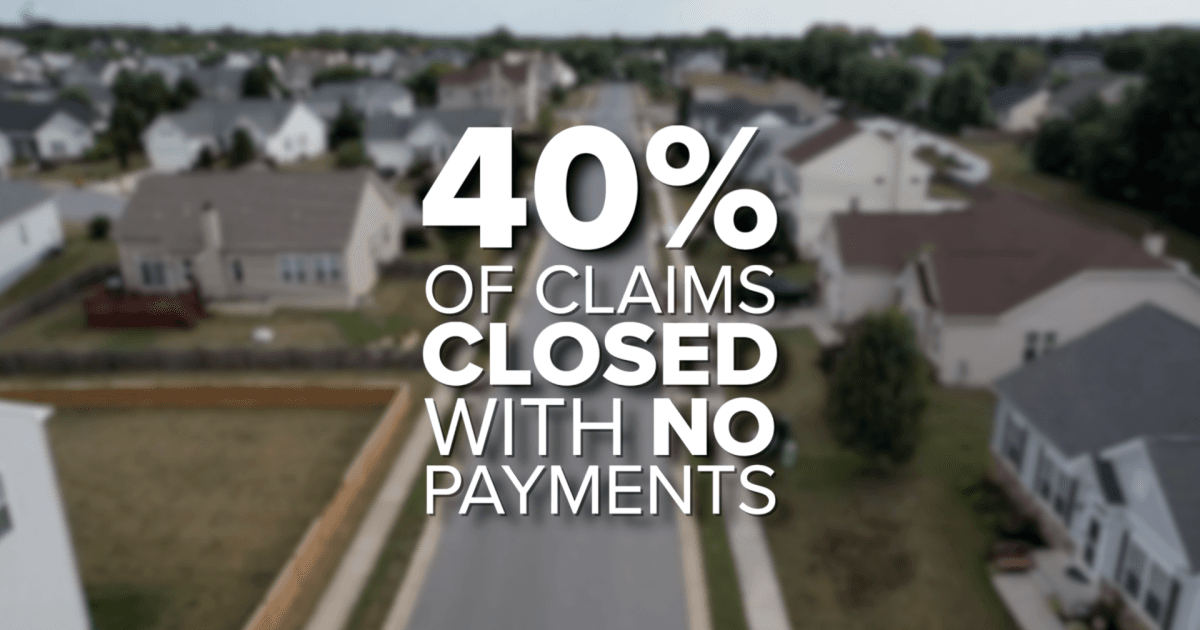
Florida homeowners are being hit with the highest insurance premiums in the nation, averaging $5,838 per year—nearly double the U.S. average. As costs skyrocket, many residents are reporting denied claims, non‑renewals, and impossible financial choices. New investigations reveal that more than 40 percent of claims in Florida close with no payment, while lawmakers push for transparency, fair pricing, and meaningful reform to stabilize a market that’s rapidly becoming unsustainable.
Vend Park, a Boston-based proptech company, has raised $17.5 million in Series A funding to reinvent parking as a high-performing commercial real estate asset. By replacing outdated operator–vendor systems with a unified AI-driven platform, Vend Park is helping major property owners boost NOI by up to 30%, slash operating costs, and modernize the tenant experience. As the company expands from three to fifteen cities and partners with giants like Nuveen and Jamestown, its technology highlights a major shift: real estate professionals must now understand AI, automation, and digital infrastructure to stay competitive.
Keller Williams Realty Atlanta Partners has formed an exclusive partnership with Southeast Mortgage, Georgia’s largest non‑bank mortgage lender. The collaboration promises faster, tech‑enhanced transactions for both agents and homebuyers, combining real estate expertise with streamlined mortgage services. This move reflects a growing trend toward integrated real‑estate ecosystems designed to reduce delays, boost transparency, and modernize the homebuying experience.