Why Microcredentials Will Rule 2026 Hiring — And What Every Professional Should Do Now
The job market heading into 2026 is shaping up to be one of the most competitive and transformative in years. With managers balancing AI adoption, economic shifts, and evolving workforce needs, the people who rise above the noise will be those who can prove they are still learning, adapting, and upskilling.
That’s exactly why microcredentials — compact, targeted professional certificates — are becoming the No. 1 hiring advantage across nearly every industry. And according to Coursera CEO Greg Hart, companies are demanding them at record levels.
In an exclusive Fortune interview, Hart explains that more than 90% of employers prefer candidates who have microcredentials over those who do not.
Tap to Explore: Why Employers Love Microcredentials
• They show commitment to learning
• They signal adaptability during rapid AI change
• They demonstrate real, measurable skills
• They differentiate applicants in crowded fields
Gen Z Is Feeling the Pressure — But They’re Not Alone
Young workers have been hit the hardest. Recent analyses from Oxford Economics reveal unemployment rates of 14% for ages 16–19 and around 9% for ages 19–24.
With employers seeking job-ready skills and demonstrated knowledge, microcredentials help bridge the gap between “I’m capable” and “Here’s proof.”
The AI Skills Explosion: What Everyone Must Learn
Coursera reports that its most in-demand certificates are AI-driven, including Google’s “Foundations of Data Science,” “Data, Data Everywhere,” and its cybersecurity and project management tracks.
“It’s the most in-demand skill in our history as a company right now,” Hart says of generative AI.
Popular Skills for 2026
• Generative AI
• Data analytics
• HR technology
• Soft skills: communication, assertiveness, collaboration
And Don’t Forget Soft Skills
A report from General Assembly highlights a major warning: fewer than half of workers — and only 12% of mid-level executives — believe entry-level talent is prepared for the workforce. Missing communication skills and weak adaptability are among the top concerns.
As AI automates more functional tasks, Hart believes the value of uniquely human abilities will rise: “The value of the human side of the equation actually increases.”
Real Advice From a CEO to His Gen Z Sons
Hart’s guidance to his two sons reflects the reality many young people — and career‑shifting adults — now face.
To his finance‑major son, he suggested starting with “Gen AI for finance,” then building into data analytics tools that can reshape modern spreadsheet-heavy workflows.
To his game-design‑major son, he emphasized project management, entrepreneurship, and expanding every adjacent skill possible.
Lesson for All Professionals
Your major doesn’t matter — your momentum does.
What This Means for Licensed Professionals
Whether you’re in real estate, mortgage, insurance, medical services, or financial fields, employers and clients expect ongoing proof of your commitment to staying sharp. Licensing alone is no longer the finish line — it’s the foundation.
That’s where organizations like Cameron Academy become invaluable. From Florida real estate licensing to mortgage, insurance, and continuing education across the U.S., Cameron Academy helps professionals stay competitive, relevant, and opportunity‑ready.
The Bottom Line
2026 will reward learners — not the perfect, not the overly experienced, but the ones who keep building, keep adapting, and keep sharpening their skills.
Microcredentials aren’t a trend. They’re becoming the new career currency.
And there has never been a better moment to start earning them.
More Articles
Getting licensed or staying ahead in your career can be a journey—but it doesn’t have to be overwhelming. Grab your favorite coffee or tea, take a moment to relax, and browse through our articles. Whether you’re just starting out or renewing your expertise, we’ve got tips, insights, and advice to keep you moving forward. Here’s to your success—one sip and one step at a time!
Cybercrime in 2025 has evolved into a full‑scale service economy, with malware now available through subscription platforms that operate like mainstream tech businesses. Bitsight’s latest analysis reveals explosive growth in Malware‑as‑a‑Service tools, rising attacks across industries like healthcare, finance, tech, and real estate, and a surge in cross‑platform malware and supply‑chain exploits. For professionals in any licensed field, the message is clear: today’s digital landscape demands heightened vigilance, stronger identity security, and proactive defense against an increasingly organized underground threat environment.
A new proptech startup in the UAE, Gllit is redefining how property deals happen by removing agents, eliminating commissions, and integrating AI tools that let users create professional listings in seconds. With a fast, transparent, and direct-to-owner model, Gllit offers a glimpse into the future of global real estate — and a powerful case study for U.S. professionals preparing for tech-driven changes in the industry.
The 2026 housing market is shaping up to be a year of stability with a few surprises. Mortgage rates are expected to hold steady, home price growth is slowing, and yet ownership costs continue to rise due to soaring taxes and insurance. Meanwhile, renting is becoming more attractive as affordability improves and built‑to‑rent communities expand. This breakdown highlights the biggest trends ahead — and what they mean for buyers, sellers, and real estate professionals, especially in Florida.
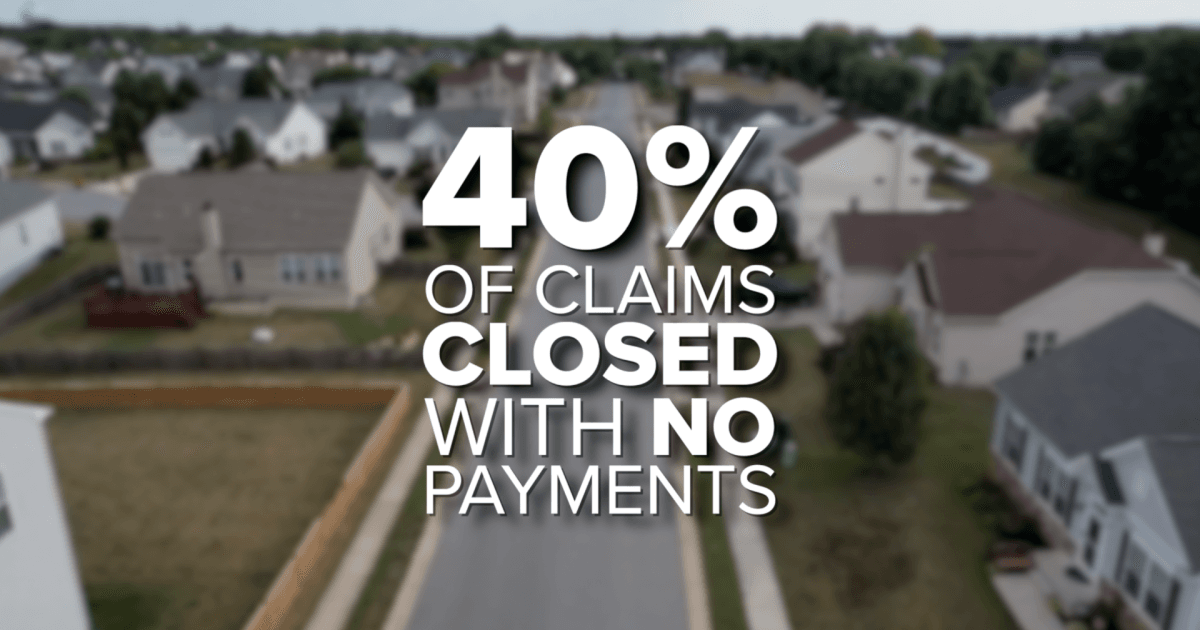
Florida homeowners are facing some of the highest insurance premiums in the nation, with average costs now topping $5,800 per year—about $3,000 above the U.S. average. Many residents report their rates have doubled or even tripled, while more than 40 percent of claims are closed with no payment. As frustration grows, state lawmakers and consumer advocates are pushing for transparency, rate caps, and incentives to help storm‑proof homes. The outcome of these reform efforts could reshape Florida’s real estate market, insurance landscape, and affordability for years to come.
A new global study from Risk.net and SAS reveals that many insurance companies are still making key decisions in isolated silos, despite industry-wide pushes toward data-driven strategies. While most leaders claim to have a clear vision, 38 percent admit they lack a real-time view of risks, revenue and costs. With poor data quality, limited collaboration and outdated processes holding teams back, experts say the industry is poised for a major transformation through AI, analytics and unified strategy—offering lessons for professionals across insurance, real estate, finance and other regulated fields.
Atlanta’s housing market is shifting into a more balanced and predictable phase. Prices have leveled off, inventory has finally caught up, and mortgage rates are easing enough to bring buyers back into the game. With steady demand, growing listings, and only mild price corrections forecasted into 2026, Atlanta remains one of the Southeast’s strongest real estate markets for buyers, sellers, and investors alike.