Artificial intelligence is no longer a distant concept living in tech conventions or sci‑fi films. It has become the engine driving modern mortgage lending — transforming workflows, borrower expectations, compliance strategies and the competitive environment leaders must navigate.
This insight, originally reported by MBA Newslink, underscores a truth every mortgage, finance and real estate professional must face: AI literacy is now essential. Not optional.
Tap to Explore: See how AI is quietly reshaping the operations you depend on every day.
AI Has Moved Beyond Automation — It Now Thinks, Predicts and Learns
For many years, the industry relied on automated underwriting systems, valuation models and fraud‑detection engines. Impressive tools, yes — but limited. Today’s AI is dramatically more powerful. It learns dynamically, absorbs massive datasets within seconds and offers real‑time decision intelligence.
Borrowers — especially younger demographics — now expect a fast, digital‑first lending experience. Competitors using advanced AI are already matching that expectation. And with rising regulatory pressures, efficiency has transitioned from a luxury to a necessity.
Concerns Are Real — But AI Literacy Turns Fear Into Strategy
According to the Pew Research Center, half of American adults feel more worried than excited about AI’s growing influence. Another 32% fear job displacement. These concerns carry weight — but they can be eased through education and familiarity.
Start simple: marketing automation, document sorting, initial compliance reviews or borrower FAQ handling. Small steps build confidence quickly.
Hover for a Tip: Top professionals don’t use AI to replace people — they use it to elevate them.
Real AI Use Cases Already Revolutionizing the Industry
AI is making marketing campaigns sharper, reducing manual processing errors, accelerating document workflows and delivering 24/7 borrower support through intelligent chat systems. It’s even identifying potential fraud long before traditional systems detect suspicious activity.
But integrating AI requires responsibility and mindfulness:
• Stay transparent and compliant — AI decisions must remain explainable.
• Mitigate bias through continuous human review.
• Begin small, measure results and scale strategically.
The Executive Edge: Lead Confidently by Using AI Wisely
The future isn’t about AI replacing humans. It’s about professionals who know how to use AI outperforming those who don’t. When paired with human intuition, empathy and experience, AI becomes a powerful multiplier.
For mortgage executives, real estate leaders and professionals shaping their financial or housing careers, this is why continuous education is critical. Licensing is just the beginning — evolution is what keeps you competitive. At Cameron Academy, we see how pros who embrace new technologies quickly become industry front‑runners.
To explore the original reporting, visit the source below:
Open Source Article: Why Mortgage Executives Can’t Afford to Ignore AI
More Articles
Getting licensed or staying ahead in your career can be a journey—but it doesn’t have to be overwhelming. Grab your favorite coffee or tea, take a moment to relax, and browse through our articles. Whether you’re just starting out or renewing your expertise, we’ve got tips, insights, and advice to keep you moving forward. Here’s to your success—one sip and one step at a time!
A federal judge has denied class‑certification in the high‑stakes Batton commission lawsuit, delivering a temporary win for NAR and major brokerages while leaving the door open for plaintiffs to try again. With as much as $3.6 billion in potential damages on the line and nearly 80% of the proposed class now disqualified due to conflicts with earlier settlements, the case stands at a pivotal moment. Real estate professionals nationwide — especially in Florida — should watch closely, as the ruling could shape the future of buyer‑agent compensation.
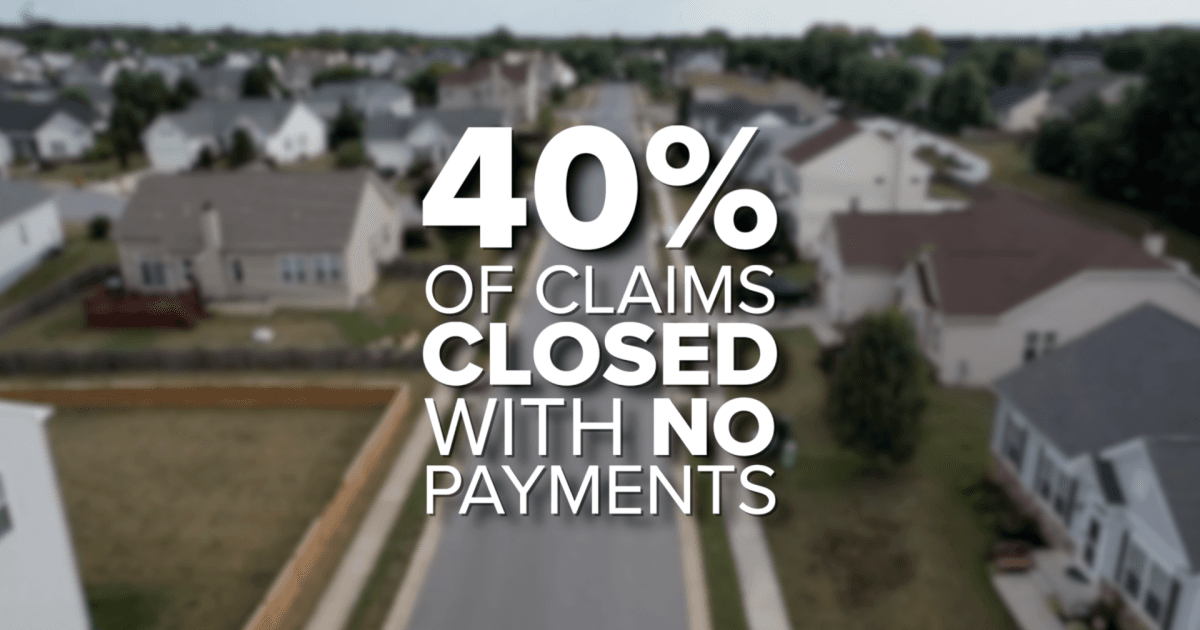
Florida homeowners are paying nearly double the national average for insurance, with premiums now reaching $5,838 a year and denied claims topping 40 percent. Residents report tripled rates, underpaid claims, and mounting financial strain, pushing lawmakers in Tallahassee to propose caps on rate hikes, tax breaks for storm‑proof upgrades, and tighter oversight of insurers. These developments are reshaping real estate and insurance conversations across the state as professionals brace for major industry shifts.
Berkshire County closed Q3 2025 with strong momentum as sales, dollar volume, and buyer competition all climbed year‑over‑year. Inventory showed slight improvement but remains far below demand, keeping the market tilted toward sellers. Single‑family homes and condos led the surge, while multifamily, land, and commercial sectors showed mixed performance. The region continues to stand out as one of New England’s most resilient real estate markets heading into 2026.
Florida homeowners now face the highest insurance burdens in the nation, with average premiums topping $5,800 per year—roughly $3,000 above the national average. As rates triple for some residents, more Floridians are skipping coverage altogether, while denied claims and slow payouts add to the frustration. With over 40 percent of claims closing with no payment and lawmakers battling over reform in Tallahassee, the crisis is reshaping budgets, homebuying decisions, and the real estate industry statewide.
Global capital is surging back into real estate—and this time, investors want more control. Colliers’ 2026 Global Investor Outlook reveals a major shift toward direct investments, joint ventures, and hands‑on strategies as money moves across North America, Europe, and the booming Asia‑Pacific markets. Data centers are now the top‑funded asset class, offices are staging a comeback, and adaptive reuse is reshaping cities worldwide. For real estate and finance professionals, the message is clear: opportunity is accelerating, and those with the right education and licensing will be at the center of the action.
The Fed’s recent rate cuts should have offered relief to commercial real estate—but long-term borrowing costs haven’t budged. While short‑term rates are falling, stubborn long‑term yields, broken deal math, and a trillion‑dollar refinancing wave are keeping the market frozen. For investors and professionals across Florida and the nation, understanding this disconnect is key to navigating the opportunities and risks emerging in today’s shifting CRE landscape.