Artificial intelligence is no longer a distant concept living in tech conventions or sci‑fi films. It has become the engine driving modern mortgage lending — transforming workflows, borrower expectations, compliance strategies and the competitive environment leaders must navigate.
This insight, originally reported by MBA Newslink, underscores a truth every mortgage, finance and real estate professional must face: AI literacy is now essential. Not optional.
Tap to Explore: See how AI is quietly reshaping the operations you depend on every day.
AI Has Moved Beyond Automation — It Now Thinks, Predicts and Learns
For many years, the industry relied on automated underwriting systems, valuation models and fraud‑detection engines. Impressive tools, yes — but limited. Today’s AI is dramatically more powerful. It learns dynamically, absorbs massive datasets within seconds and offers real‑time decision intelligence.
Borrowers — especially younger demographics — now expect a fast, digital‑first lending experience. Competitors using advanced AI are already matching that expectation. And with rising regulatory pressures, efficiency has transitioned from a luxury to a necessity.
Concerns Are Real — But AI Literacy Turns Fear Into Strategy
According to the Pew Research Center, half of American adults feel more worried than excited about AI’s growing influence. Another 32% fear job displacement. These concerns carry weight — but they can be eased through education and familiarity.
Start simple: marketing automation, document sorting, initial compliance reviews or borrower FAQ handling. Small steps build confidence quickly.
Hover for a Tip: Top professionals don’t use AI to replace people — they use it to elevate them.
Real AI Use Cases Already Revolutionizing the Industry
AI is making marketing campaigns sharper, reducing manual processing errors, accelerating document workflows and delivering 24/7 borrower support through intelligent chat systems. It’s even identifying potential fraud long before traditional systems detect suspicious activity.
But integrating AI requires responsibility and mindfulness:
• Stay transparent and compliant — AI decisions must remain explainable.
• Mitigate bias through continuous human review.
• Begin small, measure results and scale strategically.
The Executive Edge: Lead Confidently by Using AI Wisely
The future isn’t about AI replacing humans. It’s about professionals who know how to use AI outperforming those who don’t. When paired with human intuition, empathy and experience, AI becomes a powerful multiplier.
For mortgage executives, real estate leaders and professionals shaping their financial or housing careers, this is why continuous education is critical. Licensing is just the beginning — evolution is what keeps you competitive. At Cameron Academy, we see how pros who embrace new technologies quickly become industry front‑runners.
To explore the original reporting, visit the source below:
Open Source Article: Why Mortgage Executives Can’t Afford to Ignore AI
More Articles
Getting licensed or staying ahead in your career can be a journey—but it doesn’t have to be overwhelming. Grab your favorite coffee or tea, take a moment to relax, and browse through our articles. Whether you’re just starting out or renewing your expertise, we’ve got tips, insights, and advice to keep you moving forward. Here’s to your success—one sip and one step at a time!
Skyrocketing insurance premiums and soaring rebuilding costs are transforming communities across Southwest Florida, especially in the wake of Hurricane Ian. As longtime residents struggle to keep up with rising financial pressure, wealthier newcomers and stricter building standards are reshaping the identity of places like Fort Myers Beach. With insurance rates now driving home sales, triggering potential foreclosures, and squeezing both owners and renters, Florida’s middle-class families face a growing question: can they afford to stay in the state they love?
Florida’s insurance industry is stabilizing fast, with nearly 1.6 million policies shifting from Citizens to private insurers and litigation dropping sharply. Regulators report stronger market confidence, decreasing premiums, and renewed competition—signaling one of the healthiest periods the state has seen in years.
A Leon County judge has ordered the restart of arbitration for Citizens Property Insurance claims, directly conflicting with a previous ruling that halted the process as potentially unconstitutional. With more than 400 cases now back in motion, real estate, insurance, and mortgage professionals can expect renewed activity in claim disputes and fresh uncertainty as Florida courts clash over the legality of Citizens’ arbitration system.
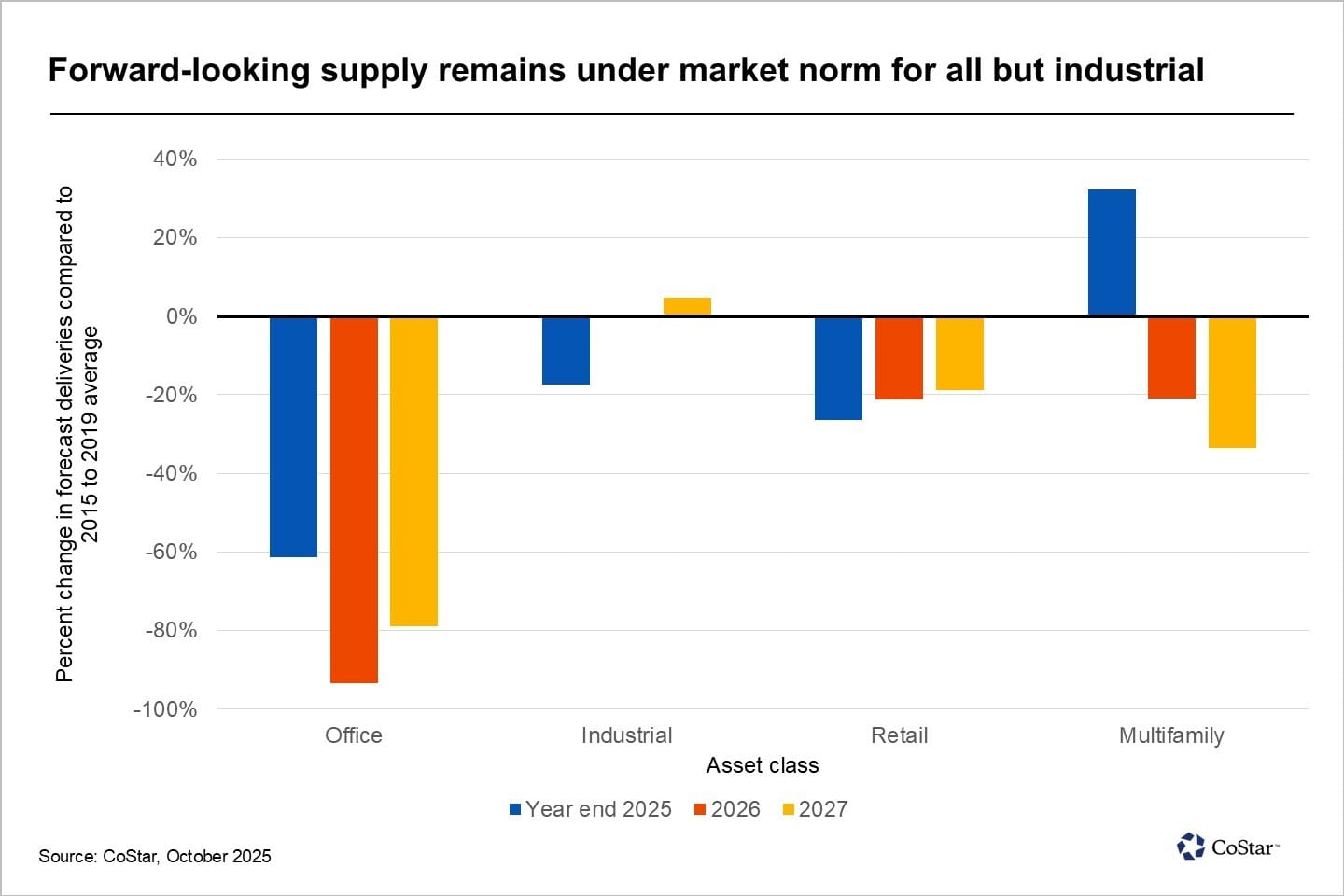
The DFW market is transitioning into a new construction phase marked by a slowdown in office development, a more selective approach to industrial projects, and an evolving housing landscape shaped by affordability and population growth. Developers are recalibrating their priorities, and for real estate professionals, understanding these shifts offers a critical edge in navigating—and capitalizing on—the next phase of the metroplex’s growth.
A new federal lawsuit claims Zillow pushed homebuyers toward Zillow Home Loans by rewarding affiliated agents with valuable leads — all without proper disclosure. The suit alleges undisclosed incentives, referral quotas, and potential RESPA violations, raising major concerns about steering, fiduciary duties, and Zillow’s expanding mortgage ambitions.
The mortgage industry is evolving fast, and the lenders who come out on top will be those who innovate without uprooting what already works. By building on strong technology foundations, streamlining workflows and adopting smart automation, lenders can reduce costs, improve customer experience and stay resilient in any market cycle. This article breaks down why innovation matters now, how a stable tech ecosystem protects lenders in volatile conditions and why small, strategic steps can drive long-term transformation.