In the evolving landscape of real estate, sustainability is no longer just a trend—it’s becoming a necessity. A recent analysis by Cushman & Wakefield, referenced in the National Association of REALTORS® article, highlights how green practices can enhance returns on investment.
Jacob Albers, co-author of the report and head of alternatives insights at Cushman & Wakefield, notes that LEED-certified buildings have consistently outperformed their non-certified counterparts. Despite facing slightly lower occupancy rates, these buildings command higher rents and generate greater cash flows. Albers emphasizes, “Sustainability commitments are not a nice-to-have, but a need-to-have for trophy assets.”
Sam Tenenbaum, head of multifamily insights at Cushman & Wakefield, discusses the slower adoption of sustainability in multifamily housing. Financial incentives from entities like Freddie Mac and Fannie Mae are encouraging developers to embrace green upgrades. Tenenbaum points out that the rent premium for green-certified multifamily units is modest, around 3%, but the financial incentives are significant.
Creating Value Through Retrofits
The article also highlights the potential for existing buildings to enhance their market value through retrofits and certifications like Energy Star. Nicholas Stolatis, a veteran in property management, underscores the importance of energy efficiency, stating that even low-cost operational improvements can significantly boost profitability.
Stolatis shares an example from his work with TIAA, where replacing incandescent bulbs with compact fluorescents led to substantial savings. He argues that sustainability is crucial for long-term competitiveness in real estate, as it aligns with both financial returns and reputation management.
As the real estate market continues to evolve, the integration of sustainable practices is proving to be a strategic advantage. With new regulations and tax incentives, the shift towards green real estate is not just beneficial but essential for staying competitive.
“`
More Articles
Getting licensed or staying ahead in your career can be a journey—but it doesn’t have to be overwhelming. Grab your favorite coffee or tea, take a moment to relax, and browse through our articles. Whether you’re just starting out or renewing your expertise, we’ve got tips, insights, and advice to keep you moving forward. Here’s to your success—one sip and one step at a time!
In an unexpected twist of economic fate, the construction industry finds itself grappling with a steep ascent in building material costs, a trend that began its climb at the dawn of 2024.
In the ever-evolving landscape of commercial real estate, a new challenge has emerged, straining the resilience of landlords and developers alike. The soaring costs of insurance, exacerbated by climate-induced natural disasters, are creating a formidable obstacle for property owners. Particularly affected are coastal cities and towns, where the risk of storms and floods is high.
The Bay Area housing market, a perpetual reflection of its economic vigor and cultural appeal, is navigating a complex terrain as it marches into 2024.
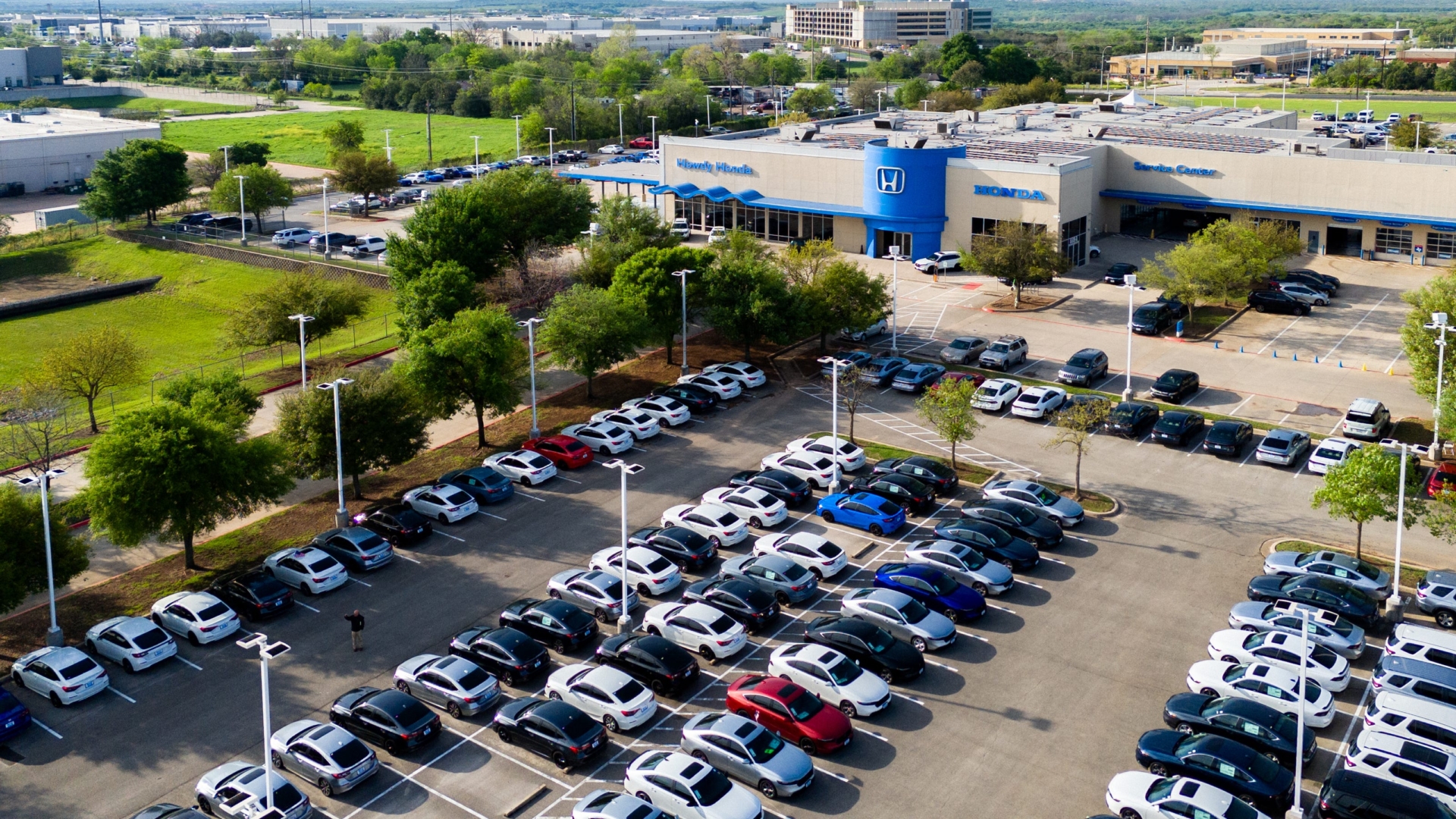
In a significant cyberattack that has disrupted operations across the United States, CDK Global, a leading provider of cloud-based software to automotive dealerships, was forced to shut down most of its systems. This incident has highlighted the vulnerabilities and rising trend of cyberattacks targeting the auto industry.
The commercial real estate landscape has experienced seismic shifts, particularly with properties purchased prior to the Covid-19 pandemic. Many of these assets now hold diminished value compared to the loans used to acquire them.