Why Tax‑Deferred Property Programs Are Surging — and What It Means for Today’s Real Estate Professionals
Investment managers across the U.S. are rapidly rolling out new tax‑deferred real estate investment programs as demand skyrockets. With stronger market certainty, favorable conditions, and one of the largest generational wealth transfers in history underway, Delaware Statutory Trusts (DSTs) are becoming a major force in modern estate planning.
In recent weeks, major development and investment groups such as Denholtz, Forum Investment Group, and PREP Property Group have launched new DST offerings. These programs allow property sellers to defer capital gains taxes by reinvesting through 1031 exchanges—an increasingly appealing strategy for owners seeking passive income and long‑term estate benefits.
Even real estate powerhouse Blackstone has entered the DST arena, joining Brookfield, Starwood, Nuveen, Hines, and Ares Management. As DSTs move into the mainstream, both new and seasoned professionals are paying close attention.
“The DST market is projected to have an increase of about 30% year‑over‑year,” said Jennifer McCool, Executive Vice President and Head of Capital Markets at Denholtz.
The Mechanics Behind the Demand
DSTs allow investors to shift from active property management to passive income while maintaining tax‑deferred real estate exposure via fractional interests in institutional‑grade assets. Through 1031 exchanges, sellers can reinvest proceeds into like‑kind commercial properties, avoiding taxes that would otherwise be due immediately.
According to Mountain Dell Consulting, DST‑related sales hit $7.34 billion through November, with projections of $7.5 billion in 2025—up 33% from the prior year.
The Wealth‑Transfer Wave
With more than $100 trillion expected to change hands over the next two decades, estate planning strategies like DSTs are seeing structural demand growth. The recent federal “Big Beautiful Bill” preserved 100% capital gains deferral through like‑kind exchanges, removing the uncertainty that had previously slowed some investors’ planning.
As Forum Investment CEO Darren Fisk explained, many property owners hold highly appreciated assets and are seeking reduced operational intensity without sacrificing upside potential.
Risks Still Matter
DSTs aren’t without drawbacks. Investors must accept long capital lock‑ups, illiquid assets, and reliance on sponsor performance. These risks are familiar territory for many approaching retirement, reinforcing the need for proper education and due diligence—areas where real estate professionals can add tremendous value.
Market Conditions Fueling Rapid Growth
A tight supply of quality replacement properties and rising tax concerns are amplifying interest in DSTs. Denholtz recently launched its first DST—DX SB Industrial I DST—featuring a nine‑building industrial campus in Tampa, Florida. The offering sold out in just six weeks, demonstrating powerful investor demand.
Sponsors are increasingly focusing on defensive assets such as industrial, multifamily, and essential‑needs retail, backed by long‑term, predictable cash flow. PREP Property Group, known for retail assets like Hillside Village Mall in Texas, plans to launch its inaugural DST offering in early 2026.
“Retail real estate is experiencing its strongest fundamentals in decades,” said PREP CEO Michael Phillips. “New supply is at historic lows, making this a prime moment for investors to reposition capital.”
Why This Matters for Real Estate Professionals
DSTs and 1031 strategies are more than investment buzzwords—they’re essential knowledge for today’s real estate agents, brokers, and advisors. Clients increasingly seek professionals who understand advanced tax‑advantaged investment structures.
This is where education becomes a differentiator. At Cameron Academy, real estate professionals across Florida and beyond are strengthening their expertise in topics like 1031 exchanges, investment analysis, and portfolio‑driven real estate strategy—making them more competitive in a rapidly evolving market.
Source
This article was inspired by reporting from CoStar News, a leading authority on commercial real estate insights.
More Articles
Getting licensed or staying ahead in your career can be a journey—but it doesn’t have to be overwhelming. Grab your favorite coffee or tea, take a moment to relax, and browse through our articles. Whether you’re just starting out or renewing your expertise, we’ve got tips, insights, and advice to keep you moving forward. Here’s to your success—one sip and one step at a time!
Cybercrime in 2025 has evolved into a full‑scale service economy, with malware now available through subscription platforms that operate like mainstream tech businesses. Bitsight’s latest analysis reveals explosive growth in Malware‑as‑a‑Service tools, rising attacks across industries like healthcare, finance, tech, and real estate, and a surge in cross‑platform malware and supply‑chain exploits. For professionals in any licensed field, the message is clear: today’s digital landscape demands heightened vigilance, stronger identity security, and proactive defense against an increasingly organized underground threat environment.
A new proptech startup in the UAE, Gllit is redefining how property deals happen by removing agents, eliminating commissions, and integrating AI tools that let users create professional listings in seconds. With a fast, transparent, and direct-to-owner model, Gllit offers a glimpse into the future of global real estate — and a powerful case study for U.S. professionals preparing for tech-driven changes in the industry.
The 2026 housing market is shaping up to be a year of stability with a few surprises. Mortgage rates are expected to hold steady, home price growth is slowing, and yet ownership costs continue to rise due to soaring taxes and insurance. Meanwhile, renting is becoming more attractive as affordability improves and built‑to‑rent communities expand. This breakdown highlights the biggest trends ahead — and what they mean for buyers, sellers, and real estate professionals, especially in Florida.
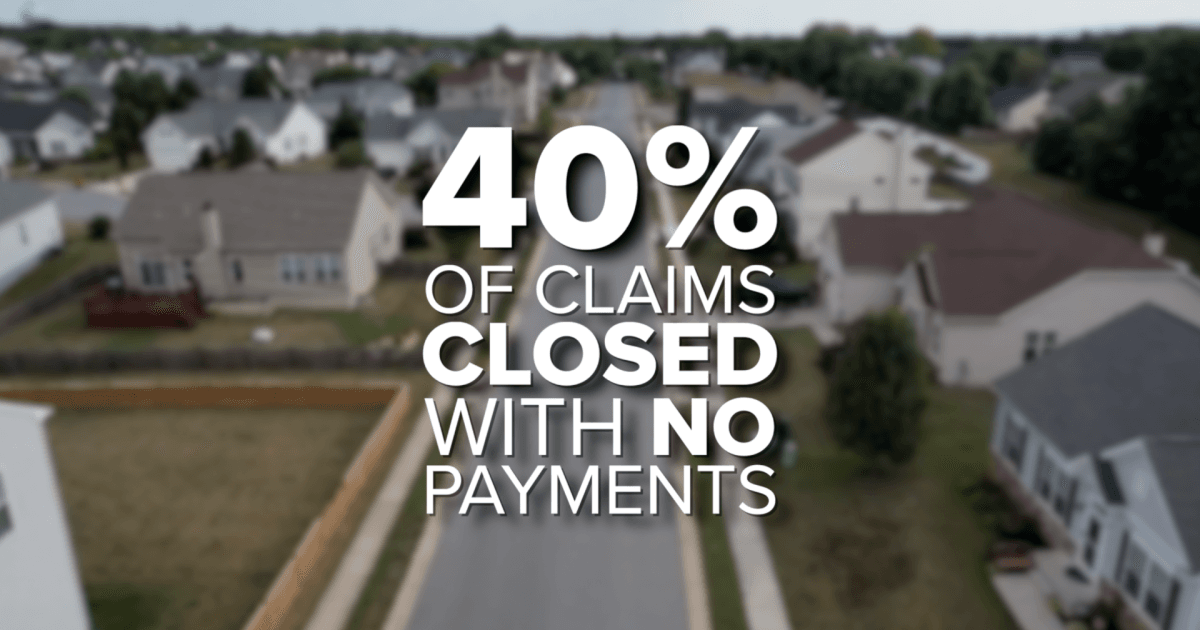
Florida homeowners are facing some of the highest insurance premiums in the nation, with average costs now topping $5,800 per year—about $3,000 above the U.S. average. Many residents report their rates have doubled or even tripled, while more than 40 percent of claims are closed with no payment. As frustration grows, state lawmakers and consumer advocates are pushing for transparency, rate caps, and incentives to help storm‑proof homes. The outcome of these reform efforts could reshape Florida’s real estate market, insurance landscape, and affordability for years to come.
A new global study from Risk.net and SAS reveals that many insurance companies are still making key decisions in isolated silos, despite industry-wide pushes toward data-driven strategies. While most leaders claim to have a clear vision, 38 percent admit they lack a real-time view of risks, revenue and costs. With poor data quality, limited collaboration and outdated processes holding teams back, experts say the industry is poised for a major transformation through AI, analytics and unified strategy—offering lessons for professionals across insurance, real estate, finance and other regulated fields.
Atlanta’s housing market is shifting into a more balanced and predictable phase. Prices have leveled off, inventory has finally caught up, and mortgage rates are easing enough to bring buyers back into the game. With steady demand, growing listings, and only mild price corrections forecasted into 2026, Atlanta remains one of the Southeast’s strongest real estate markets for buyers, sellers, and investors alike.