Why High Mortgage Rates Now Shape the Housing Market More Than Ever
The housing market has entered a fascinating and surprisingly complex chapter: a large share of American homeowners are now carrying mortgage rates well above the once‑unthinkable 5% line. According to new data from CNBC, more than 30% of borrowers have 30‑year fixed mortgages above 5%, and roughly 20% hold rates above 6%—a stark contrast to the historically low‑rate era just a few years ago.
Back in 2022—when refinance fever swept the nation—only around 10% of homeowners had mortgages above 5%. Today, we’re looking at a dramatically different financial landscape, one that is reshaping everything from refinancing activity to inventory levels across the country.
A Market Stuck Between Low‑Rate Owners and High‑Rate Newcomers
Home sales remain near historic lows at 4.06 million last year, a figure nearly unchanged from 2024. The culprit? Rate lock‑in. Millions of owners with ultra‑low pandemic‑era mortgages are reluctant to let them go. In fact, roughly 95% of homeowners with rates below 5% chose to stay put last year.
This creates a tight inventory environment, giving buyers fewer choices—and often fiercer competition. Still, demand persists, pushing the share of high‑rate mortgages even higher.
A Federal Push to Loosen the Pressure
The Trump administration has made mortgage rates a priority in its push for affordability. A major initiative directing Fannie Mae and Freddie Mac to purchase over $200 billion in mortgage‑backed securities is designed to nudge rates downward.
The announcement alone caused a small shift, but analysts believe active purchases could reduce rates by another eighth of a percentage point. If 30‑year fixed mortgage rates hover near 6%, ICE Mortgage Technology estimates that 5.5 million homeowners could benefit from refinancing. A dip to 5.88% could expand that opportunity to more than 6.5 million.
Tap to Explore: Why Homeowners Bought Down Rates
“Nobody wanted to tell their neighbors they used a 7% interest rate to buy a home,” says Andy Walden of ICE Mortgage Technology. Many buyers paid points to push their rates into the high‑6% range—creating a cluster of homeowners who only need a modest drop in rates to justify refinancing.
Refinancing Surges While Buyer Relief Stays Limited
Refinance applications have surged—up a massive 120% year‑over‑year—as slight rate declines unlock opportunity for millions. But for buyers, the benefits are smaller. A 15‑basis‑point drop saves the average borrower only around $35 a month.
Still, small improvements matter in a tight affordability market. Buyers also gain the ability to stretch their purchasing power, allowing them to afford roughly 1.5% more home.
What This Means for Real Estate Professionals
Mortgage‑rate dynamics now shape nearly every aspect of the industry—inventory, buyer behavior, lender activity, and refinancing waves. For real estate agents, mortgage brokers, and loan officers, staying informed is more than smart; it’s essential.
If you’re looking to grow your expertise in Florida real estate or broaden your licensing across mortgage, insurance, finance, or other professional fields, this market underscores the importance of education. Cameron Academy provides flexible, career‑focused training designed for today’s evolving marketplace.
For deeper analysis and ongoing mortgage updates, visit the full coverage at CNBC.
More Articles
Getting licensed or staying ahead in your career can be a journey—but it doesn’t have to be overwhelming. Grab your favorite coffee or tea, take a moment to relax, and browse through our articles. Whether you’re just starting out or renewing your expertise, we’ve got tips, insights, and advice to keep you moving forward. Here’s to your success—one sip and one step at a time!
In Florida, the earnings of a real estate agent can vary significantly based on numerous factors including experience, location, and the current state of the housing market. The potential earnings are quite broad, with average salaries ranging from $40,000 to $90,000 per year. However, top-performing agents in high-demand areas can earn well above this range, sometimes exceeding $100,000 annually.
Screening prospective tenants who utilize Section 8 vouchers in Florida requires a thorough understanding of both federal and local laws to ensure compliance and avoid potential legal issues.
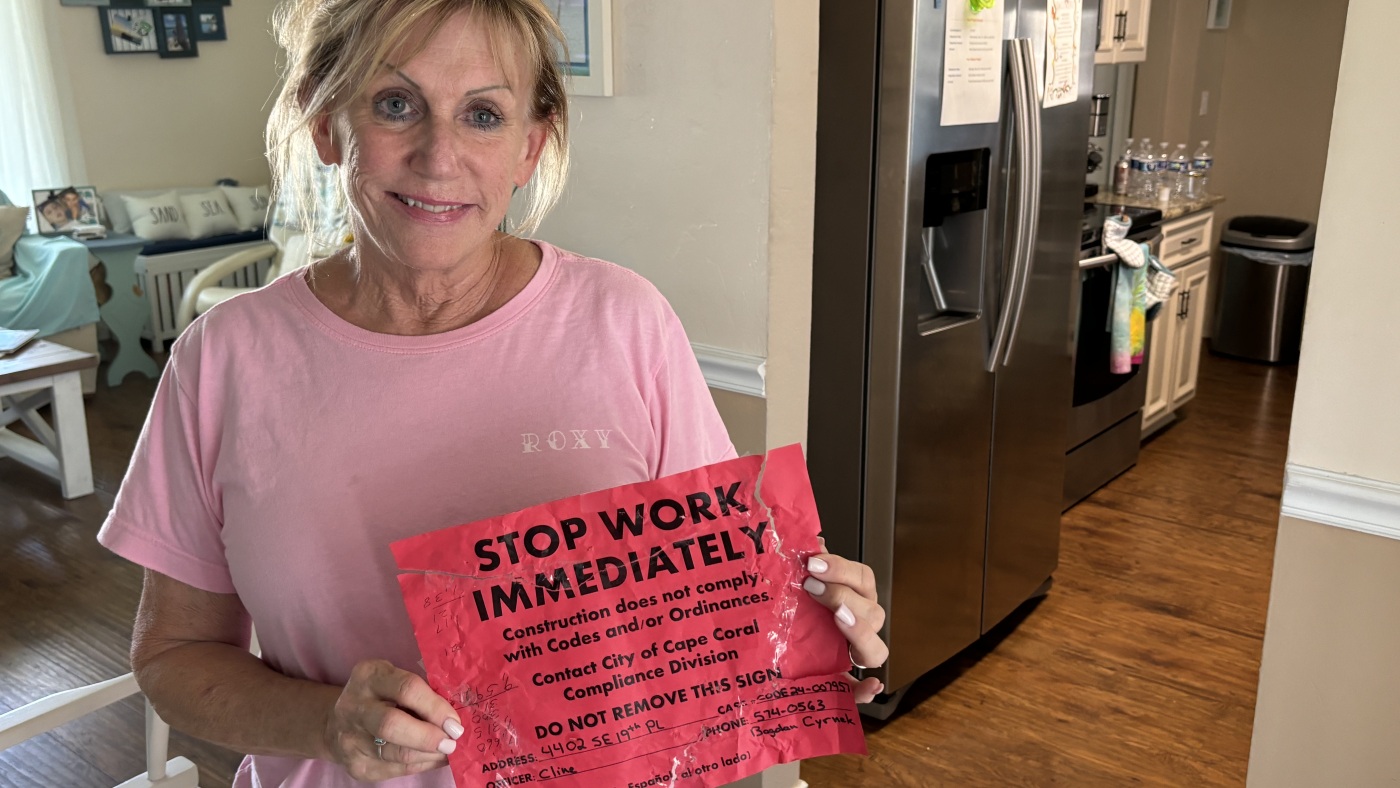
A study by First Street reveals Cape Coral has more properties at risk of flooding than any other city in Florida. Following Hurricane Ian, FEMA withdrew the city's flood insurance discount, blaming improper rebuilding practices.
Goldman Sachs Research has projected a notable increase in US home prices, forecasting a 4.5% rise this year and a 4.4% increase in 2025, as the Federal Reserve is expected to implement interest rate cuts.
In the realm of real estate, myths and misconceptions about Section 8 tenants often cloud the judgment of landlords. These stereotypes suggest that Section 8 tenants might damage property or fail to pay rent. However, these risks are inherent in renting to any tenant, not just those participating in the Section 8 program. The key to mitigating these risks lies in a robust and consistent screening process.