Why High Mortgage Rates Now Shape the Housing Market More Than Ever
The housing market has entered a fascinating and surprisingly complex chapter: a large share of American homeowners are now carrying mortgage rates well above the once‑unthinkable 5% line. According to new data from CNBC, more than 30% of borrowers have 30‑year fixed mortgages above 5%, and roughly 20% hold rates above 6%—a stark contrast to the historically low‑rate era just a few years ago.
Back in 2022—when refinance fever swept the nation—only around 10% of homeowners had mortgages above 5%. Today, we’re looking at a dramatically different financial landscape, one that is reshaping everything from refinancing activity to inventory levels across the country.
A Market Stuck Between Low‑Rate Owners and High‑Rate Newcomers
Home sales remain near historic lows at 4.06 million last year, a figure nearly unchanged from 2024. The culprit? Rate lock‑in. Millions of owners with ultra‑low pandemic‑era mortgages are reluctant to let them go. In fact, roughly 95% of homeowners with rates below 5% chose to stay put last year.
This creates a tight inventory environment, giving buyers fewer choices—and often fiercer competition. Still, demand persists, pushing the share of high‑rate mortgages even higher.
A Federal Push to Loosen the Pressure
The Trump administration has made mortgage rates a priority in its push for affordability. A major initiative directing Fannie Mae and Freddie Mac to purchase over $200 billion in mortgage‑backed securities is designed to nudge rates downward.
The announcement alone caused a small shift, but analysts believe active purchases could reduce rates by another eighth of a percentage point. If 30‑year fixed mortgage rates hover near 6%, ICE Mortgage Technology estimates that 5.5 million homeowners could benefit from refinancing. A dip to 5.88% could expand that opportunity to more than 6.5 million.
Tap to Explore: Why Homeowners Bought Down Rates
“Nobody wanted to tell their neighbors they used a 7% interest rate to buy a home,” says Andy Walden of ICE Mortgage Technology. Many buyers paid points to push their rates into the high‑6% range—creating a cluster of homeowners who only need a modest drop in rates to justify refinancing.
Refinancing Surges While Buyer Relief Stays Limited
Refinance applications have surged—up a massive 120% year‑over‑year—as slight rate declines unlock opportunity for millions. But for buyers, the benefits are smaller. A 15‑basis‑point drop saves the average borrower only around $35 a month.
Still, small improvements matter in a tight affordability market. Buyers also gain the ability to stretch their purchasing power, allowing them to afford roughly 1.5% more home.
What This Means for Real Estate Professionals
Mortgage‑rate dynamics now shape nearly every aspect of the industry—inventory, buyer behavior, lender activity, and refinancing waves. For real estate agents, mortgage brokers, and loan officers, staying informed is more than smart; it’s essential.
If you’re looking to grow your expertise in Florida real estate or broaden your licensing across mortgage, insurance, finance, or other professional fields, this market underscores the importance of education. Cameron Academy provides flexible, career‑focused training designed for today’s evolving marketplace.
For deeper analysis and ongoing mortgage updates, visit the full coverage at CNBC.
More Articles
Getting licensed or staying ahead in your career can be a journey—but it doesn’t have to be overwhelming. Grab your favorite coffee or tea, take a moment to relax, and browse through our articles. Whether you’re just starting out or renewing your expertise, we’ve got tips, insights, and advice to keep you moving forward. Here’s to your success—one sip and one step at a time!
Florida homeowners — especially in hard‑hit South Florida — are set to see rare and substantial reductions in their property insurance premiums. Gov. Ron DeSantis announced an average statewide Citizens Insurance decrease of 8.7%, with even larger savings of up to 14% in counties like Miami-Dade, Broward, and Palm Beach. State officials credit recent legal and regulatory reforms for stabilizing the market, attracting new insurers, and delivering the first meaningful rate relief Floridians have seen in years.
Tampa’s commercial real estate market isn’t slowing—it’s maturing. With strong population growth, rising office demand, a normalized industrial sector, resurgent retail, and an emerging health‑care real estate boom, investors are shifting from speed to strategy. Tighter underwriting, cautious capital and increased due‑diligence are shaping a more disciplined market, creating new opportunities for informed professionals.
Florida homeowners are finally seeing relief as Citizens Property Insurance announces a major 8.7% average rate decrease—far larger than originally proposed. Driven by legislative reforms, fewer lawsuits, and a calm hurricane season, the state’s once‑unstable insurance market is showing real signs of recovery. But with reduced coverage limits and shifting legal protections, experts warn that lower premiums may come with hidden trade‑offs.
After a decade of rising premiums and retreating carriers, Florida homeowners are finally seeing long‑awaited relief. Dozens of insurers have filed for rate decreases—some as high as 11%—thanks to legislative reforms and a stabilizing market. Early approvals are already hitting counties across the state, and experts say the momentum could boost buyer confidence, affordability, and competition throughout Florida’s real estate and insurance sectors.
After years of slowed activity caused by rising interest rates, the self‑storage industry is heating up again. New data from Marcus & Millichap shows a fresh market cycle emerging, driven by renewed buyer confidence, recalibrated pricing, and stronger lender participation. Acquisitions are rebounding, development is resetting in a healthier direction, and financing conditions are improving—creating one of the most promising investment landscapes the sector has seen in years.
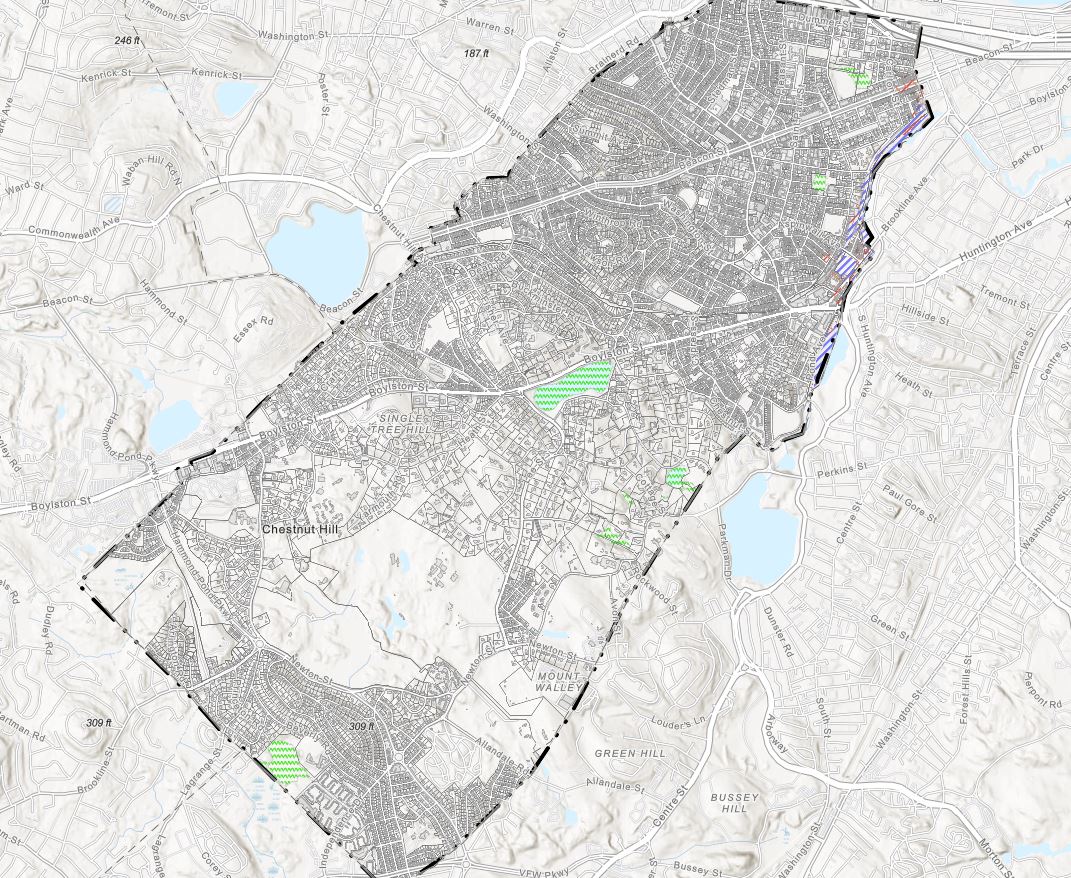
Brookline’s newly updated FEMA flood maps identify 97 high‑risk parcels, but local experts warn the true threat is far greater. While FEMA highlights river‑based flooding around Leverett Pond and the Muddy River, alternative models show more than 1,300 Brookline properties at risk within 30 years. Hidden vulnerabilities along major corridors like Beacon Street, rising rainfall intensity, aging infrastructure, and climate‑driven storm patterns suggest that many “low‑risk” areas may be anything but safe.