Why Toronto’s Real Estate Market Is Basically Playing ‘Would You Rather?’

Ever find yourself scrolling through charts and stats about real estate prices and think, “This looks like my retirement plan—confusing and kind of worrisome?” Well, buckle up, because Toronto’s real estate market has been on a rollercoaster ride that makes Canada’s Wonderland look like a kids’ playground. And honestly, it’s giving me some serious “Do I laugh or cry?” vibes.


The Great Toronto Housing Drama You Missed

Let’s get everyone up to speed with some context, shall we? Picture this: in 2020, the average home price in the Greater Toronto Area (GTA) sat at a (still crazy) $930,000. Then came the pandemic—a time when sourdough bread rose, TikTok dances went viral, and apparently, home prices decided to hit turbo mode. By 2022, the average cost had skyrocketed to $1.19 million. That’s, like, a 28% increase in just three years!

But as with all wild parties, there was an inevitable hangover. Cue the economic chaos, spiking interest rates, and “what-is-happening-right-now” vibes in the market. By the end of 2024, everything sort of… plateaued? The average price dipped just slightly to $1.126 million, which, let’s be honest, is still an astronomical price tag. Compared to the peak, that’s only a 5.3% drop. Let’s pause for a moment of silence for my very not-millionaire-level bank account.


The Big Question: Up or Down in 2025?

Okay, so here’s where things get spicy. Are we gearing up for another housing boom, or should we brace for more tears (and maybe some very serious calls to our landlords)? That depends on who you ask.

  • On the bullish side: Big banks like TD are forecasting a 6.4% increase in prices by 2025. Now, I’m no economist, but I do know a suspiciously optimistic prediction when I see one.
  • On the bearish side: Remember when Toronto’s housing market imploded in the late ’80s? Prices didn’t just drop—they spent seven years in the real estate penalty box before beginning a snail-paced recovery.
Mark Twain’s famous words, “History doesn’t repeat, but it often rhymes,” never felt more relevant.

My Personal Take: This Is Like Predicting the Oscars

You know that moment when you’re watching the Oscars, and you’re absolutely sure your favorite movie will win Best Picture? And then they call something completely unexpected, and you’re left shaking your popcorn bag in disbelief? Yeah, that’s how it feels trying to guess Toronto’s housing market right now.

  • Freehold Properties: These are the prom king and queen of the housing world. Everyone loves them, they’re in demand, and they perform better (looking at you, townhomes and semi-detached).
  • Condos: Sorry, condos, but you’re kind of like the reliable but boring friend in the GTA real estate market. You’re staying flat while everyone else is out here stealing the show.

If I had to throw my hat in the ring, I’d go with a more modest prediction. Maybe we’re looking at a small increase (2.5% max if rates drop—big if there) or relative stability. A major boom? Hard to imagine unless the Bank of Canada busts a move with those interest rates. At the same time, I don’t see prices absolutely tanking either.


Analysis: Is Real Estate Still the Move?

Here’s the truth, friends: deciding if you should keep chasing property ownership in Toronto is like trying to figure out if you should bet on Teslas because Elon Musk tweets funny memes. The transcript draws a great parallel here: just like you can’t judge Tesla stock by looking at its did-you-just-skyrocket chart, you can’t judge Toronto’s housing market just by glancing at price tags.

Context matters. Nuances matter. And, let’s be real, timing really, really matters.


Let’s Chat! What’s Your Move?

So, what do YOU think? Are we in for a 1980s-style market meltdown or another era of climbing prices and sad PayPal balances? Would you buy now or hold out for a theoretical crash? And seriously, if someone actually predicts 2025 prices correctly, can we name them the real estate Oracle of Toronto?

Drop your thoughts in the comments (or, you know, just yell them into the void—you do you). In the meantime, I’ll be over here plotting my next move… or at least trying to figure out if I should switch to buying plants instead of real estate. Less commitment, more green vibes.

Your Move, Your Future. Let’s ride this rollercoaster together.

“`

More Articles

Getting licensed or staying ahead in your career can be a journey—but it doesn’t have to be overwhelming. Grab your favorite coffee or tea, take a moment to relax, and browse through our articles. Whether you’re just starting out or renewing your expertise, we’ve got tips, insights, and advice to keep you moving forward. Here’s to your success—one sip and one step at a time!

The Great Housing Reset: What Redfin Predicts for 2026

Redfin forecasts a slow but meaningful return to normalcy in the U.S. housing market starting in 2026. Instead of a crash or a rapid correction, the year marks the beginning of a “Great Housing Reset” where affordability gradually improves, mortgage rates ease into the low‑6% range, home sales tick upward, and renters, buyers, and professionals finally feel less market pressure. From wage growth outpacing home prices to rising refi activity and the rise of AI‑powered real estate tools, 2026 is shaping up to be a foundational year for real estate careers and long‑term market stability.

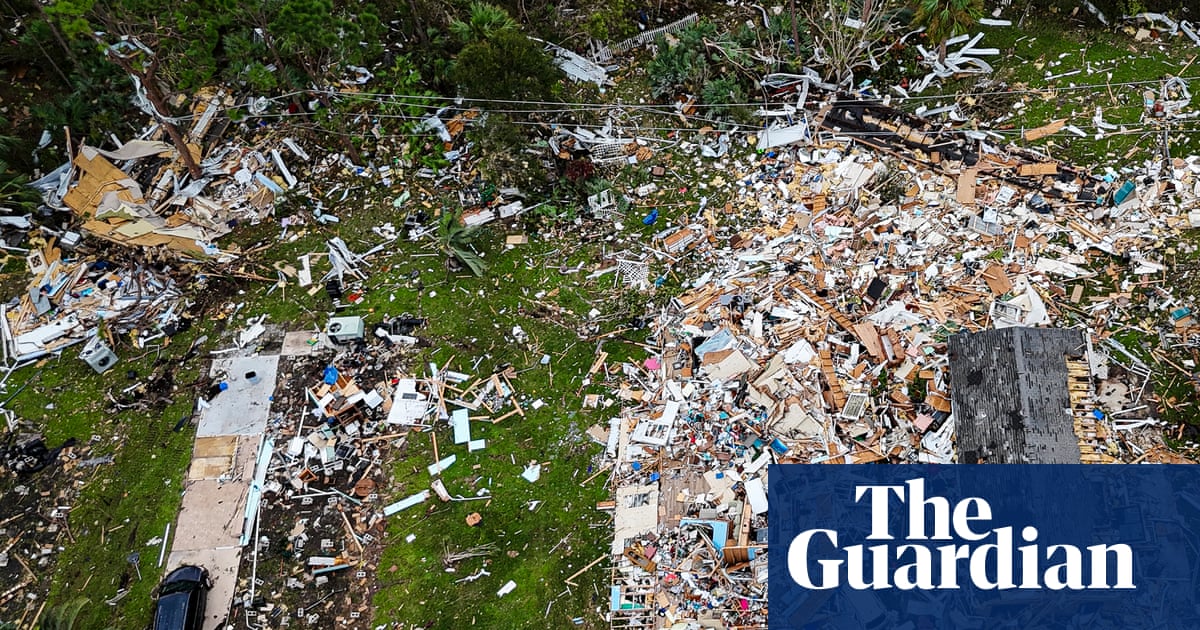
Climate Disasters Are Outpacing Insurance Uptake as the Global Protection Gap Nears Crisis Levels

Hurricane Melissa’s destruction in Jamaica highlights a growing global reality: climate risks are accelerating faster than insurance adoption. With more than 90% of disaster losses in developing regions going uninsured and a worldwide protection gap exceeding $1.8 trillion annually, experts warn that traditional insurance systems can no longer keep up. New models—like parametric payouts, community‑based aggregation and bundled climate tools—are emerging, but governments and corporations must step in to prevent financial shocks from destabilizing entire economies.

AI-Powered Excavators? Gravis Robotics Secures $23M to Tackle Construction’s Growing Labor Crisis

Gravis Robotics, a Zurich-based startup, just raised $23 million to bring autonomous tech to construction sites facing a massive operator shortage. As demand surges for renewable energy projects, data centers, and new housing, Gravis retrofits traditional heavy machinery with AI-driven systems that can work autonomously or via remote guidance. With trials already underway across seven countries, the company is pushing a future where humans and robots collaborate — speeding up development timelines and reshaping industries from construction to real estate.

Zillow Drops Climate Risk Scores—What It Means for Agents, Buyers, and the Future of Real Estate

Zillow has quietly removed its climate‑risk scores after months of pressure from agents, homeowners, and listing services who said the warnings were scaring off buyers. The move has sparked a national debate: Is this a win for real estate sales or a setback for consumer transparency? Critics warn that without clear climate‑risk data, families could be “flying blind” into costly surprises like insurance spikes and flood damage. As climate impacts intensify and disclosure expectations rise, real estate professionals must stay informed—because whether Zillow shows the data or not, the risks aren’t going anywhere.

Florida’s Property Insurance Battle Heats Up as 2026 Approaches

Florida’s property insurance crisis is becoming the defining issue heading into the 2026 election season. Republicans argue that recent reforms are finally stabilizing the market, pointing to reduced litigation and cooling reinsurance costs. Democrats counter that families are still facing unbearable premiums, with condo prices dropping over 8% and Floridians paying some of the highest insurance rates in the nation. As lawmakers prepare to return to Tallahassee, the future of insurance reform is set to become the central political fight—one that will directly impact homeowners, investors, and real estate professionals across the state.

The Invisible Backbone Transforming Modern Real Estate

Connectivity has become one of the most powerful differentiators in today’s real estate market. As smart buildings, automation, and sustainability demands accelerate, fiber networks are replacing outdated copper systems and reshaping property value. With lower energy use, unified smart‑building capabilities, reduced long‑term costs, and stronger tenant satisfaction, digital infrastructure is now central to investment strategy. Real estate professionals who understand this shift gain a competitive edge as the industry moves toward cleaner, smarter, more connected buildings.