“`html

Why Your College Degree Might Not Be Enough in Today’s Economy

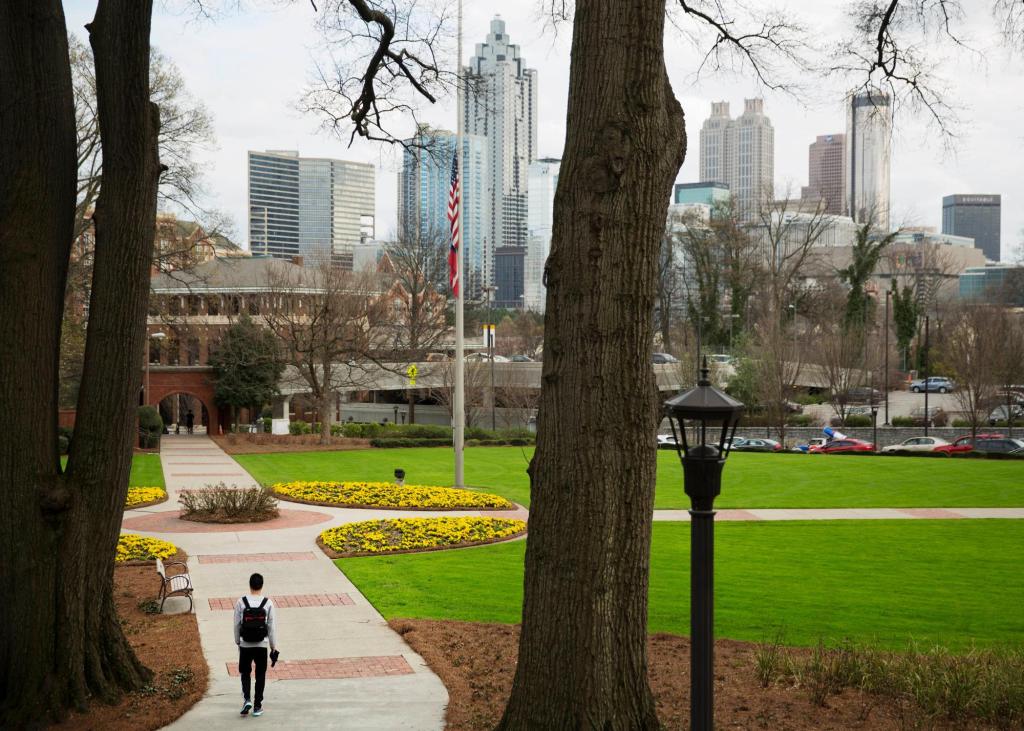
Graduate walking on campus

For decades, a college degree has been viewed as the golden ticket to career success and financial security. However, in today’s rapidly evolving job market, a degree alone may not suffice. As employers increasingly seek candidates with a diverse skill set, academic qualifications are just one part of the equation. This sentiment is echoed in a recent Investopedia article that delves into why a college degree might not be enough to secure a high-paying job.

While a degree still holds value, it is the combination of relevant skills and experience that truly sets candidates apart. This shift in hiring practices highlights the growing importance of upskilling, reskilling, certifications, boot camps, and additional training.

Why Your College Degree Might Not Be Enough

As the job market becomes more competitive, employers are placing greater emphasis on experience over education. Christian Lovell, a certified career coach, points out that many employers are moving toward skills-based hiring, indicating that a degree might not be a requirement for many jobs. By 2031, nearly 70% of jobs will require some form of postsecondary education, but this doesn’t necessarily mean a four-year degree is the only path to success.

Skills and Training That Employers Are Looking for Beyond a College Degree

While a college degree provides foundational knowledge, many roles now demand a combination of hard skills, soft skills, and hands-on experience. According to a 2024 LinkedIn survey, the most desirable skills that employers are seeking include communication, customer service, leadership, project management, and problem solving.

Lovell mentions that many companies hiring for project managers don’t require a degree but look for specific skills and experience, such as stakeholder management and budget management. The average salary for a project manager is $90,942, with the potential to earn over $100,000.

What to Do If Your College Degree Isn’t Enough

For those who feel their degree might not be enough, there are several actionable steps to take:

  • Upskilling: Complete online courses, attend boot camps, and earn certifications to boost your resume.
  • Reskilling: Learn new skills to adapt to changes in the job market.
  • Internships, volunteering, and freelancing: Gain practical experience to build a strong portfolio.
  • Networking: Attend industry events and engage in online communities to increase your chances of landing your desired role.

Networking is crucial in today’s competitive market. Building relationships and letting your network know you are seeking a new role can be more beneficial than a cold application.

The Bottom Line

In today’s economy, a college degree is a valuable asset, but it is no longer the sole determinant of career success. To stand out as a candidate, it is essential to build a practical skill set that complements your degree. This approach not only enhances your employability but also ensures you are well-prepared for the demands of the modern workforce.

“`

More Articles

Getting licensed or staying ahead in your career can be a journey—but it doesn’t have to be overwhelming. Grab your favorite coffee or tea, take a moment to relax, and browse through our articles. Whether you’re just starting out or renewing your expertise, we’ve got tips, insights, and advice to keep you moving forward. Here’s to your success—one sip and one step at a time!

Housing Market Momentum Builds Early in 2026

The 2026 housing market is off to a powerful start, with rising buyer activity, expanding inventory, and steady pricing creating one of the most balanced environments in years. Pending home sales and mortgage applications are climbing, inventory has reached 2.6 months of supply, and new listings continue to grow—all signaling renewed confidence and fresh opportunity for real estate professionals nationwide.

Investors Prepare for a High-Confidence 2026 as Commercial Real Estate Stabilizes

A wave of optimism is returning to U.S. commercial real estate heading into 2026, with 95% of investors planning to buy the same or more property than last year. Capital allocations are rising, Sun Belt cities continue to shine, and multifamily remains the top asset class. As pricing stabilizes and debt pressures ease, professionals across real estate and finance are entering a year defined by strategic growth and renewed opportunity.

Florida Homeowners Face Rising Insurance Costs Despite Promised Relief

Floridians were told insurance relief was on the way, but many homeowners are seeing the opposite as premiums continue to rise. Despite state leaders insisting the market is improving and insurers filing rate decreases, homeowners like Lisa Riggi say the real‑world impact tells a different story. Higher property valuations, inflation, and updated replacement‑cost calculations are driving premiums upward, leaving some families questioning whether they can afford to remain in Florida.

Where Did Our Parents’ Florida Go? How Paradise Became Pricier, Glossier, and Almost Unrecognizable

Florida once promised retirees sunshine, low costs, and a $20,000 condo by the pool. But in 2026, soaring insurance rates, rising taxes, shrinking affordable housing, and an influx of wealthier newcomers have transformed the state into a far more expensive version of the paradise our parents knew. From corporate buyouts of mobile home parks to multimillion‑dollar estates redefining the market, today’s Florida is a place of widening gaps, disappearing middle‑range homes, and a future that demands deeper pockets—and smarter market insight.

Mortgage Rates Hold Steady in the Low 6% Range as Buyers Gain Breathing Room

Mortgage rates continue easing into the low 6% range, giving buyers and real estate professionals a welcome boost in early February 2026. Softer labor market data and slipping Treasury yields are helping keep rates stable, with 30‑year fixed loans averaging around 6.26% and refinance rates also trending lower. While affordability remains tight, today’s calmer rate environment is opening doors for more buyers—and offers agents a clearer outlook as they guide clients through a still‑shifting market.

Commercial Real Estate Investors Gear Up for a Major Buying Surge in 2026

A new CBRE survey reveals that U.S. commercial real estate investors are preparing to ramp up acquisitions in 2026, signaling renewed confidence across the sector. Dallas leads the nation for the fifth straight year as the top investment market, followed by Atlanta and San Francisco. Florida markets like Miami and Tampa continue to rise, while cities such as Charlotte, Nashville, Seattle, and New York also attract strong investor attention. With activity heating up nationwide, 2026 is shaping into a powerful year for commercial real estate professionals.