“`html

Why Your College Degree Might Not Be Enough in Today’s Economy

Graduate walking on campus

For decades, a college degree has been viewed as the golden ticket to career success and financial security. However, in today’s rapidly evolving job market, a degree alone may not suffice. As employers increasingly seek candidates with a diverse skill set, academic qualifications are just one part of the equation. This sentiment is echoed in a recent Investopedia article that delves into why a college degree might not be enough to secure a high-paying job.

While a degree still holds value, it is the combination of relevant skills and experience that truly sets candidates apart. This shift in hiring practices highlights the growing importance of upskilling, reskilling, certifications, boot camps, and additional training.

Why Your College Degree Might Not Be Enough

As the job market becomes more competitive, employers are placing greater emphasis on experience over education. Christian Lovell, a certified career coach, points out that many employers are moving toward skills-based hiring, indicating that a degree might not be a requirement for many jobs. By 2031, nearly 70% of jobs will require some form of postsecondary education, but this doesn’t necessarily mean a four-year degree is the only path to success.

Skills and Training That Employers Are Looking for Beyond a College Degree

While a college degree provides foundational knowledge, many roles now demand a combination of hard skills, soft skills, and hands-on experience. According to a 2024 LinkedIn survey, the most desirable skills that employers are seeking include communication, customer service, leadership, project management, and problem solving.

Lovell mentions that many companies hiring for project managers don’t require a degree but look for specific skills and experience, such as stakeholder management and budget management. The average salary for a project manager is $90,942, with the potential to earn over $100,000.

What to Do If Your College Degree Isn’t Enough

For those who feel their degree might not be enough, there are several actionable steps to take:

  • Upskilling: Complete online courses, attend boot camps, and earn certifications to boost your resume.
  • Reskilling: Learn new skills to adapt to changes in the job market.
  • Internships, volunteering, and freelancing: Gain practical experience to build a strong portfolio.
  • Networking: Attend industry events and engage in online communities to increase your chances of landing your desired role.

Networking is crucial in today’s competitive market. Building relationships and letting your network know you are seeking a new role can be more beneficial than a cold application.

The Bottom Line

In today’s economy, a college degree is a valuable asset, but it is no longer the sole determinant of career success. To stand out as a candidate, it is essential to build a practical skill set that complements your degree. This approach not only enhances your employability but also ensures you are well-prepared for the demands of the modern workforce.

“`

More Articles

Getting licensed or staying ahead in your career can be a journey—but it doesn’t have to be overwhelming. Grab your favorite coffee or tea, take a moment to relax, and browse through our articles. Whether you’re just starting out or renewing your expertise, we’ve got tips, insights, and advice to keep you moving forward. Here’s to your success—one sip and one step at a time!

Building an Integrated Approach to Real Estate Sustainability

Nearly 60% of global real estate CFOs lack the necessary data, processes, or internal controls to comply with current environmental regulations.

The Blockchain Revolution: Building the Future of Finance with DeFi

DeFi emerges as a beacon of transformation, promising to revolutionize how we interact with money. DeFi stands at the forefront, offering instant, transparent transactions without the constraints of conventional banking systems. This new paradigm opens doors to innovative investment opportunities and fosters a more inclusive global economy.

By |December 8, 2024|Categories: Article, Finance, Technology|Tags: , |0 Comments

Artificial Intelligence: A New Frontier in Neurological Care

AI's integration into neurology is not just a fleeting trend; it's a significant shift in how healthcare professionals approach complex neurological disorders.

By |December 8, 2024|Categories: Article, Healthcare, Technology|Tags: , |0 Comments

Celebrating Commitment to Physician Well-being

The American Medical Association (AMA) has recognized 62 health care organizations through its Joy in Medicine™ Health System Recognition Program. These organizations, representing over 140,000 physicians, have been acknowledged for their innovative strategies aimed at reducing stress and enhancing mental health among doctors.

Global Hospital Services Market Set for Substantial Growth

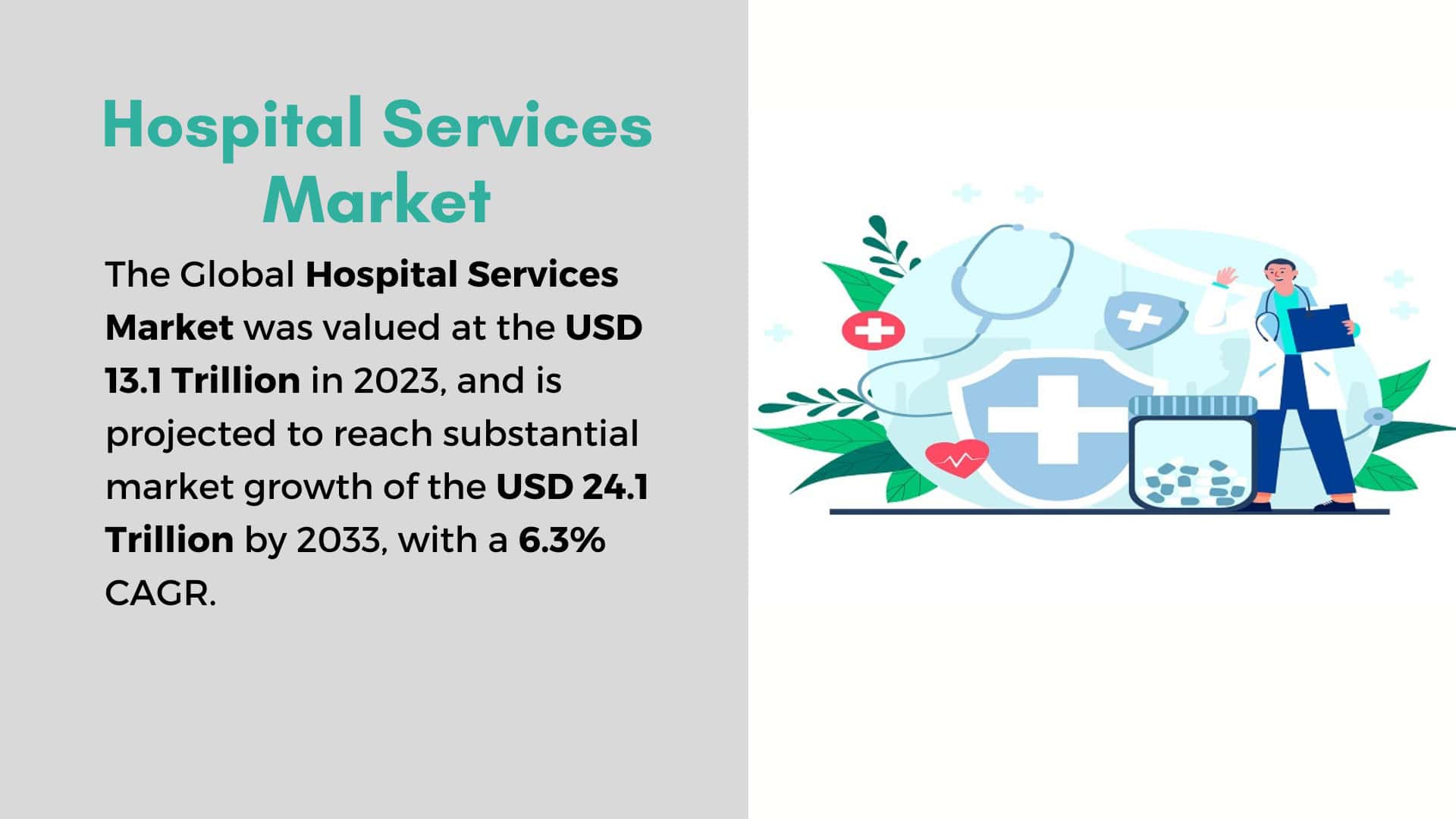
The global hospital services market is undergoing a significant transformation, with projections indicating robust growth over the next decade. As of 2023, the market was valued at USD 13.1 trillion and is expected to soar to an impressive USD 24.1 trillion by 2033, boasting a compound annual growth rate (CAGR) of 6.3%. This optimistic forecast, reported by Market.us Media, is driven by advancements in medical technology, increased healthcare expenditures, and the rising prevalence of chronic diseases.

By |December 7, 2024|Categories: Article, Healthcare, Market Analysis|Tags: , |0 Comments

Unlocking the Potential of Modular Construction in Ontario’s Housing Market

In the bustling realm of Ontario's housing market, modular construction is emerging as a beacon of hope amid a pressing demand for new homes.


By |December 7, 2024|Categories: Article, Construction, Technology|Tags: , |0 Comments