“`html

Why Your College Degree Might Not Be Enough in Today’s Economy

Graduate walking on campus

For decades, a college degree has been viewed as the golden ticket to career success and financial security. However, in today’s rapidly evolving job market, a degree alone may not suffice. As employers increasingly seek candidates with a diverse skill set, academic qualifications are just one part of the equation. This sentiment is echoed in a recent Investopedia article that delves into why a college degree might not be enough to secure a high-paying job.

While a degree still holds value, it is the combination of relevant skills and experience that truly sets candidates apart. This shift in hiring practices highlights the growing importance of upskilling, reskilling, certifications, boot camps, and additional training.

Why Your College Degree Might Not Be Enough

As the job market becomes more competitive, employers are placing greater emphasis on experience over education. Christian Lovell, a certified career coach, points out that many employers are moving toward skills-based hiring, indicating that a degree might not be a requirement for many jobs. By 2031, nearly 70% of jobs will require some form of postsecondary education, but this doesn’t necessarily mean a four-year degree is the only path to success.

Skills and Training That Employers Are Looking for Beyond a College Degree

While a college degree provides foundational knowledge, many roles now demand a combination of hard skills, soft skills, and hands-on experience. According to a 2024 LinkedIn survey, the most desirable skills that employers are seeking include communication, customer service, leadership, project management, and problem solving.

Lovell mentions that many companies hiring for project managers don’t require a degree but look for specific skills and experience, such as stakeholder management and budget management. The average salary for a project manager is $90,942, with the potential to earn over $100,000.

What to Do If Your College Degree Isn’t Enough

For those who feel their degree might not be enough, there are several actionable steps to take:

  • Upskilling: Complete online courses, attend boot camps, and earn certifications to boost your resume.
  • Reskilling: Learn new skills to adapt to changes in the job market.
  • Internships, volunteering, and freelancing: Gain practical experience to build a strong portfolio.
  • Networking: Attend industry events and engage in online communities to increase your chances of landing your desired role.

Networking is crucial in today’s competitive market. Building relationships and letting your network know you are seeking a new role can be more beneficial than a cold application.

The Bottom Line

In today’s economy, a college degree is a valuable asset, but it is no longer the sole determinant of career success. To stand out as a candidate, it is essential to build a practical skill set that complements your degree. This approach not only enhances your employability but also ensures you are well-prepared for the demands of the modern workforce.


“`

More Articles

Getting licensed or staying ahead in your career can be a journey—but it doesn’t have to be overwhelming. Grab your favorite coffee or tea, take a moment to relax, and browse through our articles. Whether you’re just starting out or renewing your expertise, we’ve got tips, insights, and advice to keep you moving forward. Here’s to your success—one sip and one step at a time!

Phoenix Housing Market Surges Ahead of the Nation in 2025

The Phoenix housing market continues to outperform the rest of the country, posting stronger sales, rising equity, and an influx of qualified buyers. With closed sales, pending sales, new listings, and median prices all trending upward, the Valley is outpacing national growth by a wide margin. City‑level data shows impressive strength across Scottsdale, Goodyear, Gilbert, Phoenix, and more—making 2025 a powerful year for agents, investors, and professionals watching the Arizona market.

20 High-Demand Jobs to Watch as 2026 Approaches — Major Events Are Fueling New Opportunities

With the 2026 FIFA World Cup and America’s 250th birthday celebrations on the horizon, the U.S. job market is gearing up for a surge across multiple industries. Seasonal, flexible, and part‑time roles are expected to rise—especially for workers 50+ who have struggled in a cooling labor market. From accounting and HR leadership to event staffing and delivery driving, major cities are preparing for increased hiring tied to tourism, infrastructure, and yearlong national celebrations. Many of these fast‑growing roles connect directly to licensing and certification pathways, giving professionals new chances to pivot or upskill through programs offered by Cameron Academy.

New Florida Laws Taking Effect January 1, 2026: Key Updates for Professionals

Florida is rolling out a new wave of laws on January 1, 2026 that will impact professionals in real estate, insurance, healthcare, education, and other regulated industries. From new insurance rules and healthcare billing requirements to condo association deadlines and statewide databases, these updates reshape compliance expectations across the state. Whether you work in property, finance, or public‑facing services, understanding these changes is essential for staying aligned with Florida’s evolving regulations.

Commercial Real Estate Pros Are Almost All Bullish on 2026

Nearly every commercial real estate professional is expecting a stronger year ahead, with 97% predicting increased or stable activity in 2026, according to Avison Young’s latest outlook. Confidence has surged dramatically since mid‑2025 as strong sales, anticipated rate cuts, and improving fundamentals across key sectors signal that CRE recovery and growth may finally be taking hold.

Dallas‑Fort Worth’s 2025 Boom: The Metroplex Redefining U.S. Growth

Dallas‑Fort Worth is finishing 2025 as the nation’s top real estate and business powerhouse, fueled by corporate relocations, a dominant industrial sector, infrastructure megaprojects, and a rapidly evolving workforce landscape. From data center expansion to the launch of the DART Silver Line, the region continues to outpace national trends—while also confronting a growing demand for skilled professionals and licensed talent across construction, real estate, and technical fields.

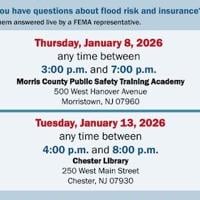
FEMA and NJDEP Unveil New Morris County Flood Maps, Triggering Key Changes for Property Owners and Professionals

FEMA and the NJDEP have released revised preliminary flood maps for Morris County, reshaping how homeowners, real estate agents, insurers, and mortgage professionals assess flood risk. The updated FIRMs may shift properties into or out of higher‑risk zones, affecting insurance requirements, closing processes, and long‑term property values. With public review and appeals ahead, industry professionals are urged to study the changes now and prepare clients for potential impacts.