“`html

Why Your College Degree Might Not Be Enough in Today’s Economy

Graduate walking on campus

For decades, a college degree has been viewed as the golden ticket to career success and financial security. However, in today’s rapidly evolving job market, a degree alone may not suffice. As employers increasingly seek candidates with a diverse skill set, academic qualifications are just one part of the equation. This sentiment is echoed in a recent Investopedia article that delves into why a college degree might not be enough to secure a high-paying job.

While a degree still holds value, it is the combination of relevant skills and experience that truly sets candidates apart. This shift in hiring practices highlights the growing importance of upskilling, reskilling, certifications, boot camps, and additional training.

Why Your College Degree Might Not Be Enough

As the job market becomes more competitive, employers are placing greater emphasis on experience over education. Christian Lovell, a certified career coach, points out that many employers are moving toward skills-based hiring, indicating that a degree might not be a requirement for many jobs. By 2031, nearly 70% of jobs will require some form of postsecondary education, but this doesn’t necessarily mean a four-year degree is the only path to success.

Skills and Training That Employers Are Looking for Beyond a College Degree

While a college degree provides foundational knowledge, many roles now demand a combination of hard skills, soft skills, and hands-on experience. According to a 2024 LinkedIn survey, the most desirable skills that employers are seeking include communication, customer service, leadership, project management, and problem solving.

Lovell mentions that many companies hiring for project managers don’t require a degree but look for specific skills and experience, such as stakeholder management and budget management. The average salary for a project manager is $90,942, with the potential to earn over $100,000.

What to Do If Your College Degree Isn’t Enough

For those who feel their degree might not be enough, there are several actionable steps to take:

  • Upskilling: Complete online courses, attend boot camps, and earn certifications to boost your resume.
  • Reskilling: Learn new skills to adapt to changes in the job market.
  • Internships, volunteering, and freelancing: Gain practical experience to build a strong portfolio.
  • Networking: Attend industry events and engage in online communities to increase your chances of landing your desired role.

Networking is crucial in today’s competitive market. Building relationships and letting your network know you are seeking a new role can be more beneficial than a cold application.

The Bottom Line

In today’s economy, a college degree is a valuable asset, but it is no longer the sole determinant of career success. To stand out as a candidate, it is essential to build a practical skill set that complements your degree. This approach not only enhances your employability but also ensures you are well-prepared for the demands of the modern workforce.


“`

More Articles

Getting licensed or staying ahead in your career can be a journey—but it doesn’t have to be overwhelming. Grab your favorite coffee or tea, take a moment to relax, and browse through our articles. Whether you’re just starting out or renewing your expertise, we’ve got tips, insights, and advice to keep you moving forward. Here’s to your success—one sip and one step at a time!

Florida’s Insurance Wake‑Up Call: Why Reading Your Policy Matters More Than You Think

Many Floridians are discovering after major hurricanes that what they assumed was covered by their insurance simply isn’t. With more than 100,000 claims denied or closed without payment and widespread confusion over gaps like flood versus hurricane coverage, experts warn that the fine print can hit harder than the storm itself. As premiums rise and policies grow more complex, understanding what’s actually protected has become essential for homeowners and real estate professionals alike.

The Strongest October Housing Market in 3 Years: What Zillow’s New Report Means for Today’s Pros

A new report from Zillow shows the U.S. just experienced its strongest October housing market since 2021, with inventory rising, affordability improving, and both new listings and pending sales up 5% year-over-year. Nineteen major markets now favor buyers—nine more than last year—as mortgage rates ease, inventory rebounds, and home values level off. For real estate professionals, especially in Florida, these shifts signal a market gaining momentum heading into 2025 and beyond.

Top Commercial Real Estate Issues to Watch in 2026

Commercial real estate is heading into 2026 with major shifts in policy, technology, investment flows, and market fundamentals. From tightening capital sources and AI-driven decision-making to nationwide housing shortages and a looming wave of maturing debt, professionals across real estate, finance, insurance, and development must adapt quickly. These trends will shape opportunities, risks, and required skills in the year ahead—making strategic education and licensing upgrades more important than ever.

Wall Street on Edge After Cyberattack Exposes Sensitive Real Estate and Mortgage Data

A major cyberattack on real‑estate data giant SitusAMC has triggered emergency responses across Wall Street, exposing sensitive loan records and legal documents tied to major banks like JPMorgan and Citigroup. While operations have been restored, the breach highlights critical weaknesses in third‑party vendors that support the nation’s real‑estate and mortgage infrastructure. Federal investigators and financial institutions are now racing to assess the fallout as experts warn of long‑term risks to the digital systems underpinning multi‑trillion‑dollar lending markets.

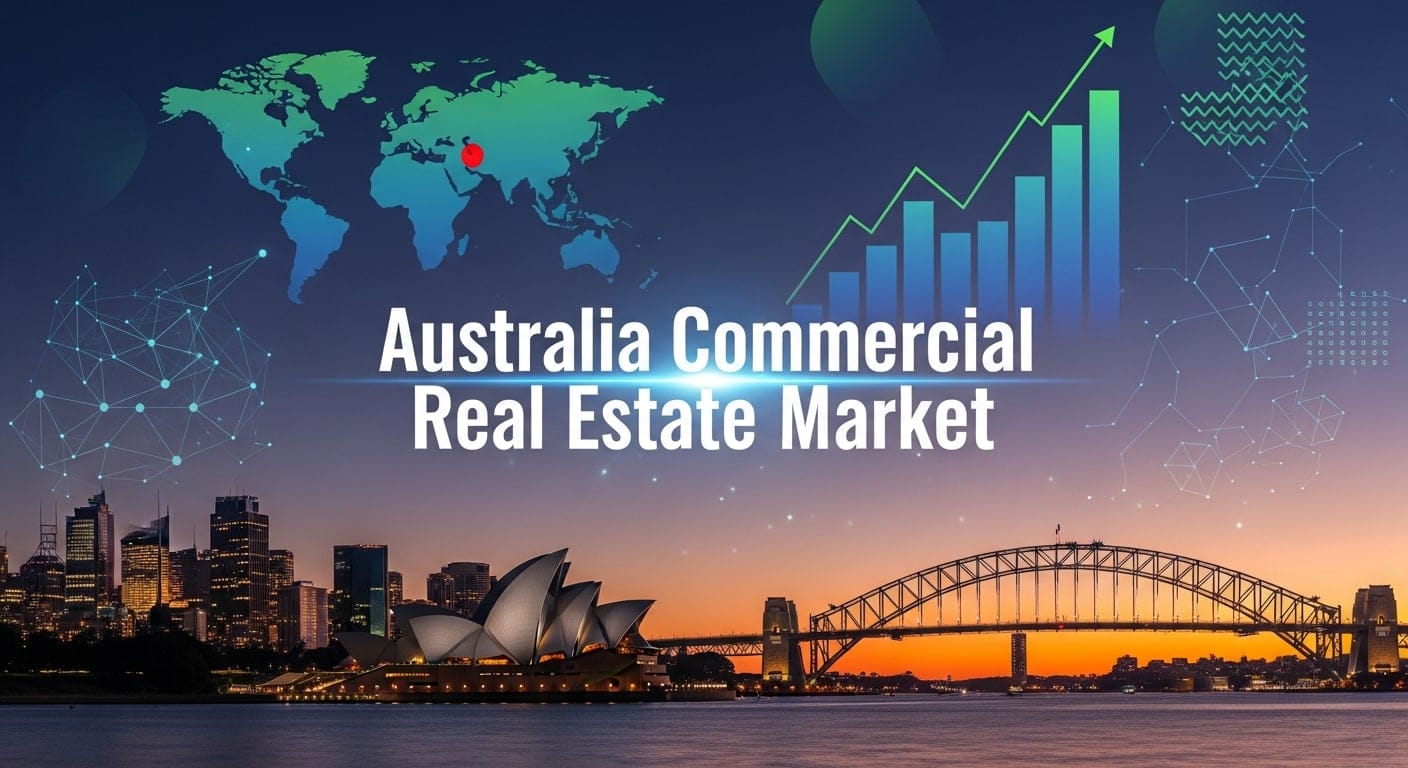
Australia’s Commercial Real Estate Market Is Transforming — What Professionals Need to Know Now

Australia’s commercial real estate sector is undergoing a major long‑term shift driven by hybrid work, booming logistics demand, sustainability priorities and evolving global capital flows. With the market projected to grow from USD 11.96 billion in 2024 to USD 21.03 billion by 2033, the biggest opportunities are emerging in industrial assets, ESG‑certified buildings, flexible workspaces and adaptive reuse projects. These trends echo changes developing in the U.S.—including Florida—making Australia a valuable case study for professionals watching the future of commercial real estate.

How Chat‑Based AI Is Revolutionizing Real Estate Listing Photos

A new wave of chat‑driven AI tools is transforming how agents market properties by letting them edit listing photos simply by describing what they want changed. From removing clutter to adjusting lighting or staging entire rooms, professionals can now showcase a unit’s full potential long before it’s camera‑ready. This technology boosts efficiency for property managers, enhances buyer engagement through interactive visuals, and underscores the importance of transparency as AI becomes a core part of real estate marketing.