Why Your Insurance Bills Keep Rising Even as Florida Rates Fall

Home insurance paperwork

Florida homeowners finally received some long‑awaited relief: property insurance rates are leveling off — even decreasing — after years of storm losses and legal chaos. Yet many homeowners still open their mortgage statements only to find higher monthly payments. How can premiums rise when rates fall?

To unpack this puzzle, we look toward insights from John W. Rollins, CEO of Patriot Select Property & Casualty Insurance Company, who shared a powerful breakdown in a recent Sun Sentinel opinion piece.

Read the original Sun Sentinel article

The Big Disconnect: Rates vs. Premiums

Insurance “rates” refer to the cost per $1,000 of insured home value. “Premiums” are what you actually pay. Even if rates fall, your premium can still increase when your home’s replacement cost rises.

And rise they certainly have. Florida’s construction costs, labor shortages, inflation, and soaring home values pushed replacement costs significantly higher. Rollins notes that since mid‑2022, replacement values have accounted for nearly 75% of all premium increases.

Florida’s average rates per $1,000 rose 12% before dropping — but premiums jumped 34%. The real pressure comes from rising property values, not insurance companies raising rates without cause.

What Homeowners Can Do Right Now

1. Shop Around

Florida has welcomed 17 new property insurers since 2023. Competition is growing — but you’ll only benefit if you compare options.

2. Recheck Your Replacement Value

Insurers often apply automatic “inflation guard” increases. Request a recalculation at renewal; in many cases, homeowners discover they’re over‑insured.

3. Update Your Risk Profile

A new roof, impact windows, or even improved credit can earn discounts. Many homeowners qualify for savings they haven’t been offered.

4. Consider Adjusting Your Deductibles

Higher deductibles can reduce premiums — but they increase what you’d pay out of pocket. Make sure the trade‑off fits your financial comfort zone.

A Better Future for Florida Insurance

For the first time in a decade, Florida’s property insurance landscape is genuinely improving. Litigation has dropped, fraud is declining, reinsurance strains are easing, and insurers are beginning to reduce rates faster than construction inflation rises.

For real estate professionals, mortgage specialists, and insurance agents, this shift is crucial. Homebuyers are asking more questions than ever. Sellers worry about affordability. Clients depend on trained professionals who can explain these changing dynamics clearly.

That’s why institutions like Cameron Academy matter. Whether you’re stepping into Florida real estate, pursuing insurance licensing, or expanding your credentials into finance or other fields, staying educated gives you the power to guide clients confidently through a rapidly changing market.

Insights courtesy of John W. Rollins, CEO of Patriot Select Property & Casualty Insurance Company and credentialed actuary.


More Articles

Getting licensed or staying ahead in your career can be a journey—but it doesn’t have to be overwhelming. Grab your favorite coffee or tea, take a moment to relax, and browse through our articles. Whether you’re just starting out or renewing your expertise, we’ve got tips, insights, and advice to keep you moving forward. Here’s to your success—one sip and one step at a time!

Florida Homeowners Finally Get Relief as Gov. DeSantis Announces Significant Insurance Premium Cuts

Florida homeowners — especially in hard‑hit South Florida — are set to see rare and substantial reductions in their property insurance premiums. Gov. Ron DeSantis announced an average statewide Citizens Insurance decrease of 8.7%, with even larger savings of up to 14% in counties like Miami-Dade, Broward, and Palm Beach. State officials credit recent legal and regulatory reforms for stabilizing the market, attracting new insurers, and delivering the first meaningful rate relief Floridians have seen in years.

Tampa’s Real Estate Market Enters a Smarter, More Selective Growth Phase

Tampa’s commercial real estate market isn’t slowing—it’s maturing. With strong population growth, rising office demand, a normalized industrial sector, resurgent retail, and an emerging health‑care real estate boom, investors are shifting from speed to strategy. Tighter underwriting, cautious capital and increased due‑diligence are shaping a more disciplined market, creating new opportunities for informed professionals.

Florida Slashes Home Insurance Rates: Biggest Drop in a Decade Sends Shockwaves Through the Market

Florida homeowners are finally seeing relief as Citizens Property Insurance announces a major 8.7% average rate decrease—far larger than originally proposed. Driven by legislative reforms, fewer lawsuits, and a calm hurricane season, the state’s once‑unstable insurance market is showing real signs of recovery. But with reduced coverage limits and shifting legal protections, experts warn that lower premiums may come with hidden trade‑offs.

Florida Homeowners Finally Get Insurance Relief After Years of Soaring Premiums

After a decade of rising premiums and retreating carriers, Florida homeowners are finally seeing long‑awaited relief. Dozens of insurers have filed for rate decreases—some as high as 11%—thanks to legislative reforms and a stabilizing market. Early approvals are already hitting counties across the state, and experts say the momentum could boost buyer confidence, affordability, and competition throughout Florida’s real estate and insurance sectors.

Self‑Storage Investing in 2026: A Market Thaw Opens the Door to Big Opportunities

After years of slowed activity caused by rising interest rates, the self‑storage industry is heating up again. New data from Marcus & Millichap shows a fresh market cycle emerging, driven by renewed buyer confidence, recalibrated pricing, and stronger lender participation. Acquisitions are rebounding, development is resetting in a healthier direction, and financing conditions are improving—creating one of the most promising investment landscapes the sector has seen in years.

Brookline’s Real Flood Risk: What FEMA’s New Maps Reveal—and What They Miss

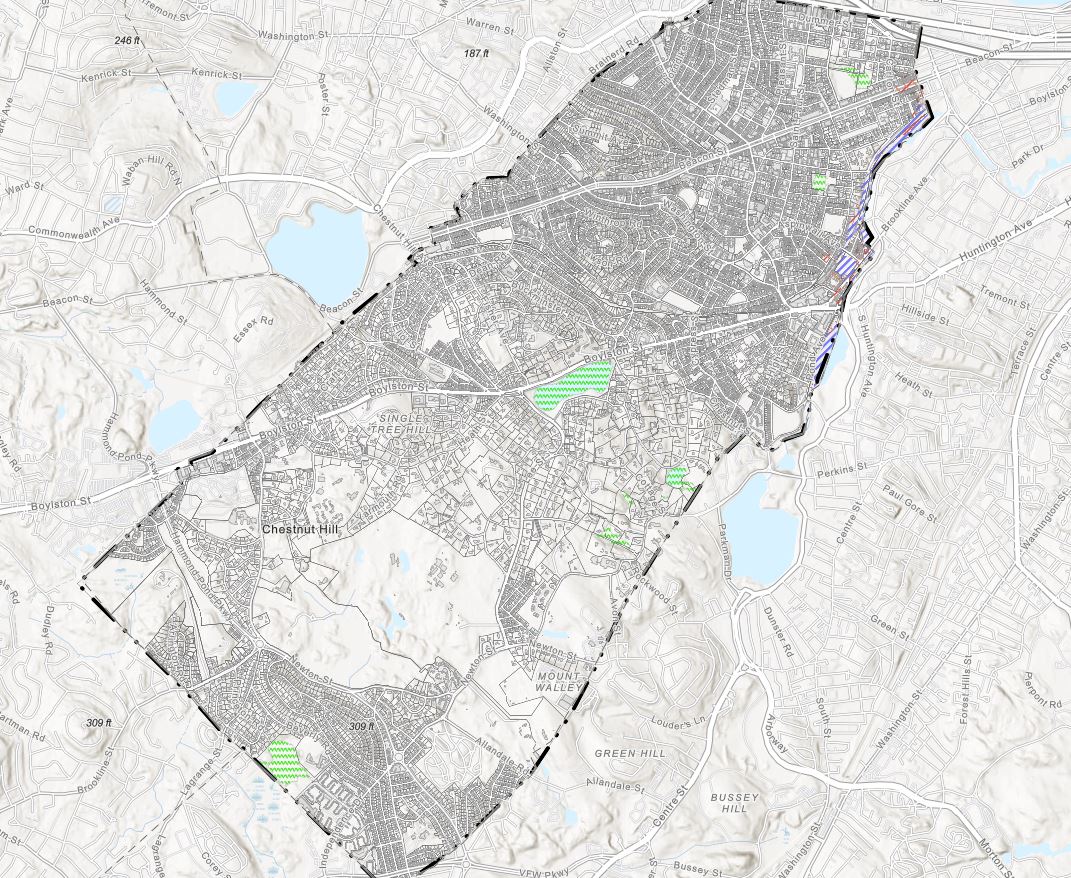
Brookline’s newly updated FEMA flood maps identify 97 high‑risk parcels, but local experts warn the true threat is far greater. While FEMA highlights river‑based flooding around Leverett Pond and the Muddy River, alternative models show more than 1,300 Brookline properties at risk within 30 years. Hidden vulnerabilities along major corridors like Beacon Street, rising rainfall intensity, aging infrastructure, and climate‑driven storm patterns suggest that many “low‑risk” areas may be anything but safe.