Wire Fraud Is Becoming a Serious Threat to Real Estate Transactions

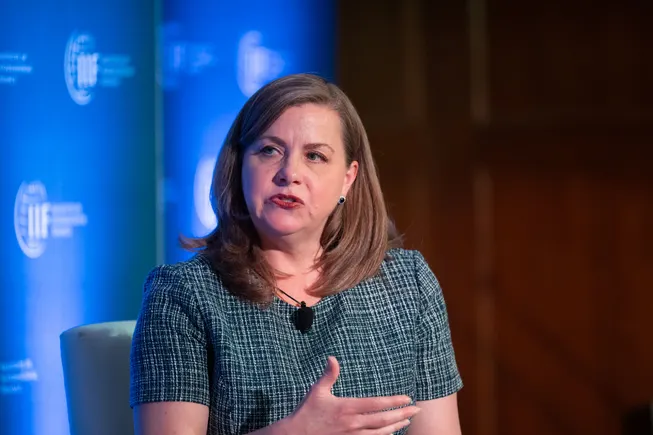
Real estate professional headshot

Real estate transactions rely on trust, and in recent years, that trust has been shaken by a sharp rise in highly organized wire fraud schemes. These schemes target buyers, sellers, agents, attorneys, and title companies alike. What once felt like a distant possibility has now become a near-daily threat in Florida and beyond.

According to the National Association of Realtors, one out of every 20 real estate transactions faces an attempted wire fraud attack. Losses now total hundreds of millions of dollars each year, often hitting consumers at the most stressful point in the process: just before closing.

Source: Herald-Tribune. Original article: Wire Fraud: What Real Estate Buyers and Sellers Need to Know.

How Criminals Hijack Real Estate Transactions

Most wire fraud attacks begin with phishing emails. Once a victim clicks a malicious link, scammers gain access to their inbox. From there, criminals quietly monitor upcoming closings, studying signatures, dates, and transaction details to mimic legitimate communications.

When the perfect moment arrives, they send updated wire instructions that look nearly identical to the real ones. The email usually has one subtle character difference that is easy to miss. Once the funds are sent, they are often routed through overseas accounts within hours, making recovery nearly impossible.

Important: In Florida, first-time buyers are statistically three times more likely to become victims. Their excitement and unfamiliarity make them easy targets for urgent or authoritative-sounding emails.

New Variations of Fraud Are Targeting Florida

Florida has seen a sharp increase in fake seller impersonation schemes. Criminals target vacant land and investment properties, pose as the owner, and push for fast sales to divert funds. Other scammers build fake title company websites that look almost identical to the real ones, tricking buyers into sending closing funds to fraudulent accounts.

Click to reveal common warning signs

– Wire instructions delivered only through email

– High-pressure or urgent last-minute changes

– Email addresses with tiny misspellings

– Writing tone that feels unusual for your agent or title company

– Requests for banking information from anyone other than the verified title company

How to Protect Yourself From Wire Fraud

The most effective protection is simple: verify all wiring instructions over the phone using a trusted number. Never rely solely on an email. Call your title company or attorney directly and confirm details before sending any funds.

Additionally, sellers should ensure identity verification procedures are legitimate, especially during remote notarization. Many breaches originate from personal email accounts, so using strong passwords and avoiding public WiFi can reduce exposure.

What To Do If You Suspect Fraud

If you believe a wire has been misdirected, contact your bank immediately and request a wire recall. Time is critical. Next, file a report with the FBI Internet Crime Complaint Center at ic3.gov and contact local authorities.

Why Education Matters in Preventing Fraud

Knowledge is one of the most effective defenses against real estate cybercrime. When buyers, sellers, and agents understand proper verification procedures, nearly all wire fraud losses become preventable.

At Cameron Academy, we integrate these critical real-world topics into our Florida real estate licensing courses and continuing education. Whether you are a new agent or an experienced professional, staying informed is essential to protecting your clients and your livelihood.

As cybercrime evolves, so must industry education. Cameron Academy prepares you not only to pass your exam, but to thrive and safeguard your transactions with confidence and expertise.

More Articles

Getting licensed or staying ahead in your career can be a journey—but it doesn’t have to be overwhelming. Grab your favorite coffee or tea, take a moment to relax, and browse through our articles. Whether you’re just starting out or renewing your expertise, we’ve got tips, insights, and advice to keep you moving forward. Here’s to your success—one sip and one step at a time!

Florida’s Insurance Crisis Explained: Why Coastal Risk Is Pushing the Market to Its Breaking Point

Florida’s insurance market is under intense pressure as millions of residents and trillions in property wealth cluster along hurricane‑vulnerable coastlines. This article breaks down how decades of growth in high‑risk zones created today’s crisis, why traditional pricing models can’t keep up, and what real estate and insurance professionals must do to stay ahead. It offers actionable insights on underwriting, risk communication, policy partnerships, and resilience planning—critical knowledge for anyone advising Florida homeowners or navigating the state’s evolving insurance landscape.

Sky‑High Insurance Rates Are Now Florida’s “New Normal,” Experts Warn

Florida’s homeowners insurance market may have stabilized, but not in the way residents hoped. After years of runaway increases, premiums have stopped spiking—but they’re holding at painfully high levels. Coastal properties remain the hardest hit, with some policies topping $15,000 a year, while insurers continue demanding costly upgrades and resisting calls for transparency. For real estate professionals, understanding these pricing pressures is becoming essential as insurance costs increasingly shape buyer decisions across the state.

Hurricane Insurance in Florida: The 2026 Coverage Guide Every Homeowner Needs

Florida homeowners face soaring premiums, shrinking insurer options, and storms that grow stronger each year. This article breaks down what hurricane insurance actually covers, how deductibles really work, why flood insurance is essential, and what professionals in real estate, mortgage, and insurance must understand to protect clients and properties before the next major storm hits.

The Legacy Leader Steps Down: Teresa King Kinney Retires After 33 Years Transforming MIAMI Realtors

Teresa King Kinney, one of the most influential executives in modern real estate, is retiring after 33 years as CEO of the MIAMI Association of Realtors. Under her leadership, the organization grew from 5,000 members to 60,000, became a global real estate powerhouse, and built the nation’s largest association‑owned MLS. As she transitions into CEO Emeritus, MIAMI prepares for a new era shaped by the foundation she spent decades building.

Miami’s Commercial Real Estate Surges Back as Retail Leads a 2025 Rebound

Miami’s commercial property market is heating up again, posting an 11% jump in investment volume for 2025. The surge is driven largely by a revitalized retail sector fueled by population growth, strong tourism, and new mixed‑use development. While office and industrial activity remains steady but softer, investor confidence is returning as Miami’s CRE landscape matures and buyers re‑enter the market with renewed interest in high‑traffic retail opportunities.

The Fed Signals Big Mortgage Rule Changes That Could Reshape Home Lending

The Federal Reserve is preparing major changes to mortgage regulations in an effort to pull more mortgage activity back into the banking sector. With banks losing significant market share to nonbank lenders over the past decade, Fed Vice Chair for Supervision Michelle Bowman says new proposals may ease capital requirements and make mortgage servicing more attractive for banks. These shifts could have wide‑ranging effects on real estate professionals, lenders, and borrowers as the balance of power in the mortgage market begins to shift once again.