Wire Fraud Is Becoming a Serious Threat to Real Estate Transactions

Real estate professional headshot

Real estate transactions rely on trust, and in recent years, that trust has been shaken by a sharp rise in highly organized wire fraud schemes. These schemes target buyers, sellers, agents, attorneys, and title companies alike. What once felt like a distant possibility has now become a near-daily threat in Florida and beyond.

According to the National Association of Realtors, one out of every 20 real estate transactions faces an attempted wire fraud attack. Losses now total hundreds of millions of dollars each year, often hitting consumers at the most stressful point in the process: just before closing.

Source: Herald-Tribune. Original article: Wire Fraud: What Real Estate Buyers and Sellers Need to Know.

How Criminals Hijack Real Estate Transactions

Most wire fraud attacks begin with phishing emails. Once a victim clicks a malicious link, scammers gain access to their inbox. From there, criminals quietly monitor upcoming closings, studying signatures, dates, and transaction details to mimic legitimate communications.

When the perfect moment arrives, they send updated wire instructions that look nearly identical to the real ones. The email usually has one subtle character difference that is easy to miss. Once the funds are sent, they are often routed through overseas accounts within hours, making recovery nearly impossible.

Important: In Florida, first-time buyers are statistically three times more likely to become victims. Their excitement and unfamiliarity make them easy targets for urgent or authoritative-sounding emails.

New Variations of Fraud Are Targeting Florida

Florida has seen a sharp increase in fake seller impersonation schemes. Criminals target vacant land and investment properties, pose as the owner, and push for fast sales to divert funds. Other scammers build fake title company websites that look almost identical to the real ones, tricking buyers into sending closing funds to fraudulent accounts.

Click to reveal common warning signs

– Wire instructions delivered only through email

– High-pressure or urgent last-minute changes

– Email addresses with tiny misspellings

– Writing tone that feels unusual for your agent or title company

– Requests for banking information from anyone other than the verified title company

How to Protect Yourself From Wire Fraud

The most effective protection is simple: verify all wiring instructions over the phone using a trusted number. Never rely solely on an email. Call your title company or attorney directly and confirm details before sending any funds.

Additionally, sellers should ensure identity verification procedures are legitimate, especially during remote notarization. Many breaches originate from personal email accounts, so using strong passwords and avoiding public WiFi can reduce exposure.

What To Do If You Suspect Fraud

If you believe a wire has been misdirected, contact your bank immediately and request a wire recall. Time is critical. Next, file a report with the FBI Internet Crime Complaint Center at ic3.gov and contact local authorities.

Why Education Matters in Preventing Fraud

Knowledge is one of the most effective defenses against real estate cybercrime. When buyers, sellers, and agents understand proper verification procedures, nearly all wire fraud losses become preventable.

At Cameron Academy, we integrate these critical real-world topics into our Florida real estate licensing courses and continuing education. Whether you are a new agent or an experienced professional, staying informed is essential to protecting your clients and your livelihood.

As cybercrime evolves, so must industry education. Cameron Academy prepares you not only to pass your exam, but to thrive and safeguard your transactions with confidence and expertise.

More Articles

Getting licensed or staying ahead in your career can be a journey—but it doesn’t have to be overwhelming. Grab your favorite coffee or tea, take a moment to relax, and browse through our articles. Whether you’re just starting out or renewing your expertise, we’ve got tips, insights, and advice to keep you moving forward. Here’s to your success—one sip and one step at a time!

Massachusetts Investment Firm Makes Strategic Move Into Connecticut With $3.65M Red Robin-Anchored Purchase

Newman Properties, a Massachusetts-based investment firm, has expanded its footprint into Connecticut with the $3.65 million acquisition of a 6,350‑square‑foot retail building in Enfield. Anchored by national restaurant chain Red Robin, the property offers the type of stable tenancy investors seek when entering new markets. The deal underscores growing confidence in anchored retail assets and provides a valuable real-world example for real estate professionals studying market analysis, investment strategy, and portfolio expansion.

JPMorgan Flags a Sunbelt Slowdown as Florida and Texas See Sharp Home Price Drops

JPMorgan now expects national home prices to flatten in 2026, but the Sunbelt is telling a very different story. Florida home values are down 5.1%, Texas is down 2.4%, and analysts warn that years of rapid building are finally catching up to the region. As demand stabilizes and inventory swells, real estate professionals — especially in Florida — face a market full of challenges, opportunities, and critical timing decisions.

AI Is Reshaping Mortgage Underwriting in 2026 as Industry Pros Brace for Major Change

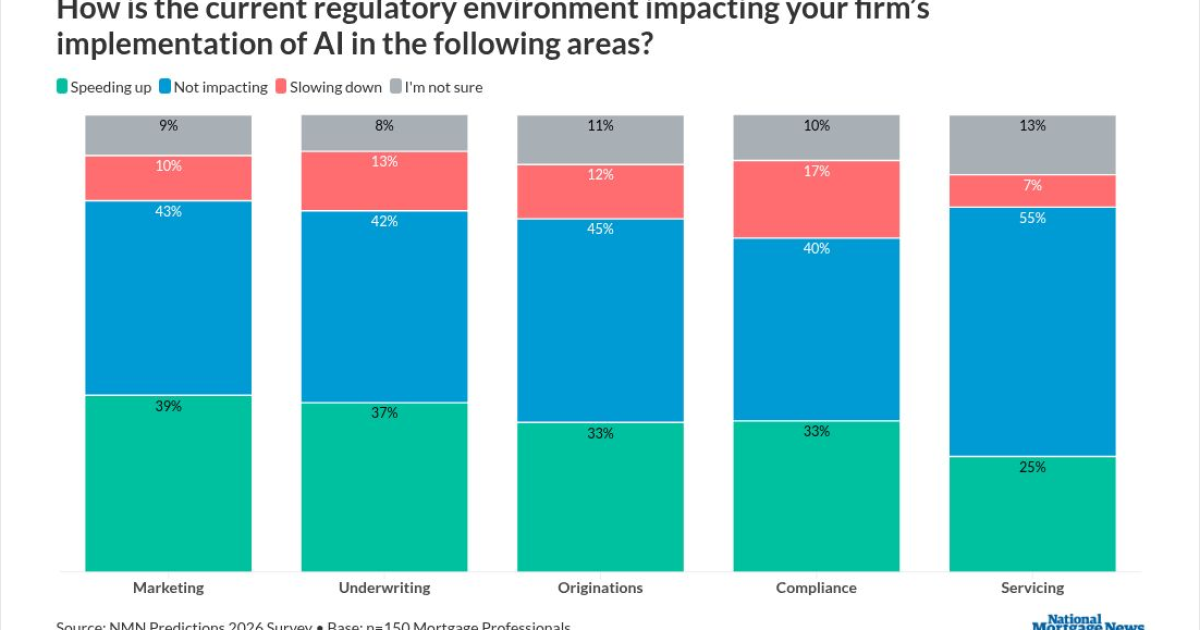
Artificial intelligence is finally stepping into the mortgage underwriting spotlight, with 57% of mortgage professionals predicting it will drive the most transformative industry shift in 2026. Thanks to major advancements in language models and workflow automation, AI is now capable of navigating the messy, document-heavy realities that have long slowed underwriting. From faster preapprovals to improved credit analysis and real‑time income verification, AI is streamlining processes while allowing underwriters to focus on true risk management. As regulatory winds shift and grassroots pressure builds within lending teams, the industry is entering a pivotal era where AI‑powered underwriting becomes not just an advantage — but an expectation.

Portland’s Commercial Market Suffers a Historic $2 Billion Collapse

Portland’s top 20 office towers have lost an unprecedented 70% of their value since 2019—plunging from $3 billion to under $1 billion—triggering tax revenue shortfalls, budget crises, and a surge in appeals as the city grapples with its biggest commercial real estate reset in modern history.

When Virtual Reality Becomes the New Penthouse Tour: Miami Students Step Inside a $1M Tech-Driven Luxury Tower Experience

South Florida’s luxury real estate market just raised the bar again — this time with a $1 million virtual reality system that lets buyers walk through Dolce & Gabbana’s upcoming Miami tower long before construction wraps. Real estate master’s students were given an immersive look inside the project, discovering how VR is transforming high‑end development, influencing buyer psychology, and shaping the future skills today’s professionals need.

Long Island’s Latest Commercial Moves: From Pizza Huts to Auto Parts Warehouses

Long Island’s commercial real estate scene is kicking off 2026 with a surge of activity—industrial leases in Medford, neighborhood retail trades in Bohemia, Pizza Hut’s new DELCO expansion in Centereach, mixed‑use acquisitions in Melville, and major investor interest in bank‑leased and franchise-backed properties. From warehouses to restaurant rebrands, these deals highlight a region evolving fast and offering fresh opportunities for agents, investors, and professionals looking to stay ahead in the market.