Wire Fraud Is Becoming a Serious Threat to Real Estate Transactions

Real estate professional headshot

Real estate transactions rely on trust, and in recent years, that trust has been shaken by a sharp rise in highly organized wire fraud schemes. These schemes target buyers, sellers, agents, attorneys, and title companies alike. What once felt like a distant possibility has now become a near-daily threat in Florida and beyond.

According to the National Association of Realtors, one out of every 20 real estate transactions faces an attempted wire fraud attack. Losses now total hundreds of millions of dollars each year, often hitting consumers at the most stressful point in the process: just before closing.

Source: Herald-Tribune. Original article: Wire Fraud: What Real Estate Buyers and Sellers Need to Know.

How Criminals Hijack Real Estate Transactions

Most wire fraud attacks begin with phishing emails. Once a victim clicks a malicious link, scammers gain access to their inbox. From there, criminals quietly monitor upcoming closings, studying signatures, dates, and transaction details to mimic legitimate communications.

When the perfect moment arrives, they send updated wire instructions that look nearly identical to the real ones. The email usually has one subtle character difference that is easy to miss. Once the funds are sent, they are often routed through overseas accounts within hours, making recovery nearly impossible.

Important: In Florida, first-time buyers are statistically three times more likely to become victims. Their excitement and unfamiliarity make them easy targets for urgent or authoritative-sounding emails.

New Variations of Fraud Are Targeting Florida

Florida has seen a sharp increase in fake seller impersonation schemes. Criminals target vacant land and investment properties, pose as the owner, and push for fast sales to divert funds. Other scammers build fake title company websites that look almost identical to the real ones, tricking buyers into sending closing funds to fraudulent accounts.

Click to reveal common warning signs

– Wire instructions delivered only through email

– High-pressure or urgent last-minute changes

– Email addresses with tiny misspellings

– Writing tone that feels unusual for your agent or title company

– Requests for banking information from anyone other than the verified title company

How to Protect Yourself From Wire Fraud

The most effective protection is simple: verify all wiring instructions over the phone using a trusted number. Never rely solely on an email. Call your title company or attorney directly and confirm details before sending any funds.

Additionally, sellers should ensure identity verification procedures are legitimate, especially during remote notarization. Many breaches originate from personal email accounts, so using strong passwords and avoiding public WiFi can reduce exposure.

What To Do If You Suspect Fraud

If you believe a wire has been misdirected, contact your bank immediately and request a wire recall. Time is critical. Next, file a report with the FBI Internet Crime Complaint Center at ic3.gov and contact local authorities.

Why Education Matters in Preventing Fraud

Knowledge is one of the most effective defenses against real estate cybercrime. When buyers, sellers, and agents understand proper verification procedures, nearly all wire fraud losses become preventable.

At Cameron Academy, we integrate these critical real-world topics into our Florida real estate licensing courses and continuing education. Whether you are a new agent or an experienced professional, staying informed is essential to protecting your clients and your livelihood.

As cybercrime evolves, so must industry education. Cameron Academy prepares you not only to pass your exam, but to thrive and safeguard your transactions with confidence and expertise.

More Articles

Getting licensed or staying ahead in your career can be a journey—but it doesn’t have to be overwhelming. Grab your favorite coffee or tea, take a moment to relax, and browse through our articles. Whether you’re just starting out or renewing your expertise, we’ve got tips, insights, and advice to keep you moving forward. Here’s to your success—one sip and one step at a time!

NAR’s New MLS Policy Changes Spark Immediate Legal Pushback in Michigan

Just 48 hours after NAR unveiled major revisions to its MLS policies, plaintiffs in the Michigan-based Hardy lawsuit moved to use those changes as evidence, arguing they prove NAR’s prior rules were anticompetitive. NAR denies any wrongdoing, but the case is quickly becoming a key test for whether MLS access should require Realtor membership — a question now echoing across multiple states and potentially reshaping how real estate professionals nationwide access the industry’s most essential tool.

Florida Homeowners Grapple With Soaring Insurance Costs as Lawmakers Push for Reform

Florida homeowners are now paying some of the highest insurance premiums in the country, with average costs topping $5,800 per year—nearly double the national average. Residents report skyrocketing rates, denied claims, and tough choices between costly coverage and financial risk. As frustration grows, lawmakers and consumer advocates are pushing new reforms aimed at increasing transparency, capping rate hikes, and protecting policyholders in one of the nation’s most volatile insurance markets.

Top 2026 Commercial Real Estate Issues Every Pro Should Be Watching

Economic uncertainty, rapid AI adoption, tighter capital flows, and rising portfolio risk are reshaping the 2026 commercial real estate landscape. From shifting workforce patterns to a national housing attainability crisis, the industry is entering a data‑driven, fundamentals‑focused era—making adaptability, education, and tech literacy essential for real estate professionals.

Mortgage Rates Rise as Markets Lose Faith in a December Fed Cut

Mortgage rates have climbed to 6.23 percent as investors grow doubtful that the Federal Reserve will deliver a rate cut in December. A soft but unclear jobs report and persistent inflation have pushed borrowing costs higher, reversing October’s brief relief in the housing market. Real estate and mortgage professionals should prepare clients for continued volatility as the Fed’s December meeting approaches.

Housing Market Poised for a Major 2026 Comeback: What Florida Pros Need to Know

After years of tight inventory, high mortgage rates, and sluggish sales, economists say 2026 is shaping up to be the turnaround real estate professionals have been waiting for. NAR projects a 14 percent jump in home sales, mortgage rates easing toward 6 percent, and buyer demand finally gaining momentum. While higher‑end homes are moving quickly, first‑time buyers continue to face affordability challenges, and price reductions are reappearing as sellers adjust to shifting conditions. For Florida agents, brokers, and newcomers, the stage is being set for a busy and opportunity‑rich year.

Florida Homeowners Hit With Record Insurance Costs as Lawmakers and Residents Demand Reform

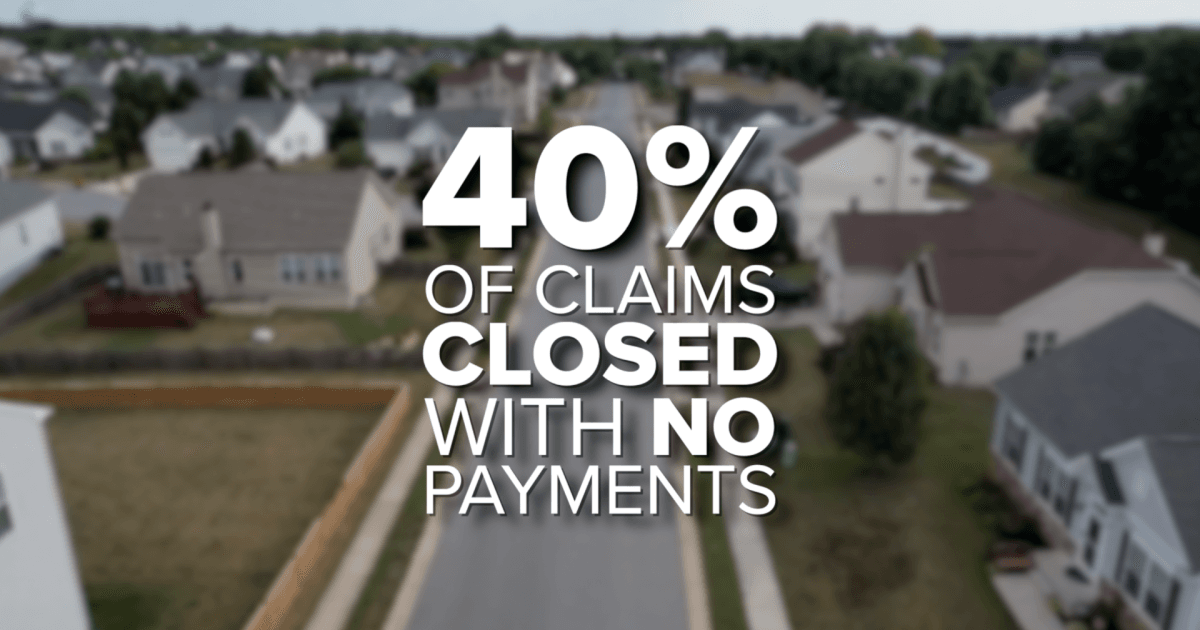
Florida’s average homeowner insurance premium has soared to $5,838 a year—almost $3,000 above the national average—pushing many residents to the financial brink. From tripled premiums to lowball claim payouts, homeowners are speaking out as frustration mounts. Some are even dropping coverage entirely. With more than 40% of claims closed without payment and policy cancellations at record levels, lawmakers are pushing for reforms, but political hurdles remain. The outcome could reshape Florida real estate, insurance, and mortgage markets for years to come.