Woodland Hills Retail Center Snapped Up for $64 Million: What This Means for Southern California CRE
One of Woodland Hills’ busiest retail corners just changed hands in a major commercial real estate move.
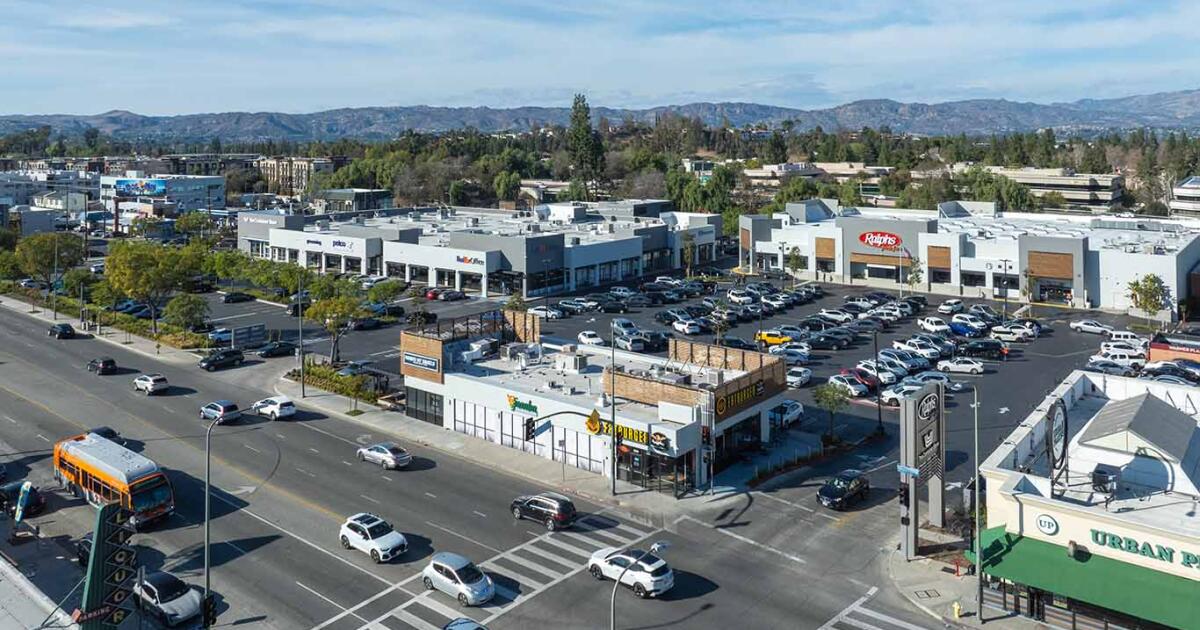
Space Investment Partners, a respected Southern California–based investment and development firm, has officially acquired the 123,402‑square‑foot Topanga Gateway retail center for a striking $64 million.
The transaction, expertly brokered by
Eastdil Secured on both sides, marks another bold retail play for a firm aggressively expanding its grocery‑anchored portfolio across the Southwest.
A Center With Location Power
Positioned at the high‑impact intersection of Topanga Canyon Boulevard and Ventura Boulevard, Topanga Gateway benefits from enormous visibility —
over 99,000 cars pass by daily, while the nearby 101 Freeway supplies another 234,000. No wonder the property stood at a remarkable 97% occupancy at the time of the sale.
Anchored by community staples like Ralphs, The Container Store, and Petco, the center continues to perform as a reliable consumer destination. Originally constructed in 1963 and beautifully renovated in 2024, it blends legacy placement with modern appeal.
Click to read the original Los Angeles Times coverage of the acquisition.
A Strategic Piece in a Billion‑Dollar Expansion Plan
Earlier this year, Space Investment Partners acquired the 395,703‑square‑foot Fullerton Metrocenter for $118.5 million — another top‑performing, grocery‑anchored retail hub.
With a bold acquisition target of $500 million to $1 billion for 2026, the firm is clearly positioning itself for long‑term dominance in necessity‑driven retail.
“We love this center for its location, its affluent consumer base, and proven sales,” said Managing Partner Ryan Gallagher. He emphasized that the seller’s strategic repositioning leaves room for rising rents — a prime value‑add opportunity for investors.
Why This Matters for Real Estate Professionals
Grocery‑anchored retail has risen as one of the most resilient pillars in commercial real estate.
High foot traffic, essential‑goods tenants, and long‑term leases make these properties particularly strong performers, even in uncertain markets.
For brokers, investors, and aspiring CRE professionals, large‑scale transactions like this offer powerful insights into where experienced firms are directing capital — and which trends may define the next decade of retail real estate.
Strengthen your real estate career. Explore licensing, continuing education, and expert‑built training at Cameron Academy.
Getting licensed or staying ahead in your career can be a journey—but it doesn’t have to be overwhelming. Grab your favorite coffee or tea, take a moment to relax, and browse through our articles. Whether you’re just starting out or renewing your expertise, we’ve got tips, insights, and advice to keep you moving forward. Here’s to your success—one sip and one step at a time!
AI-powered sentiment analysis is giving real estate investors a major edge by scanning millions of online conversations to detect market shifts long before traditional data responds. From predicting neighborhood momentum to spotting declining tenant satisfaction, this technology captures real-time public emotion across office, retail, and multifamily sectors. As trends in sentiment become as important as demographics and NOI, professionals who understand these tools will stay ahead of the next market move.
Florida lawmakers are racing toward a high-stakes finish to the legislative session as a sweeping property tax overhaul triggers fierce debate. The House is pushing to eliminate most non-school property taxes on primary homes, while the Senate urges caution and Gov. Ron DeSantis floats even bigger changes. With Democrats warning of budget crises and only weeks left to strike a deal, the future of Florida’s tax structure—and its real estate market—hangs in the balance.
Florida homeowners are getting rare financial relief as the emergency insurance assessment—added after multiple insurers collapsed post‑Hurricane Ian—has been paid off two years early. The early payoff wipes out the charge of about $30 per household per year and delivers more than $650 million in statewide savings. With the insurance market stabilizing faster than expected, real estate and insurance professionals can expect a slightly more favorable environment for buyers and policyholders alike.
After years of pandemic‑driven disruption, rising vacancies, and interest‑rate volatility, confidence is finally returning to commercial real estate. Major analysts report that leasing activity is accelerating, investor appetite is rising, and high‑quality properties are leading the rebound. With investment volumes expected to jump and vacancies beginning to fall, 2026 is shaping up to be the long‑awaited turning point for the industry.
Sioux Falls enters 2026 with a commercial real estate market outperforming nearly every regional competitor. Fueled by strong fundamentals, major private investment, and confidence across all sectors, the city is positioned for what experts call “white‑hot economic activity.” From booming land sales and rising retail absorption to stabilizing office and industrial sectors, the metro’s momentum is undeniable—making it a prime environment for real estate professionals and investors looking for opportunity.
Florida lawmakers have advanced HB 767, a major insurance transparency bill that would create a statewide online rate database, boost consumer education, and prevent insurers from using land value to inflate premiums. The proposal promises clearer insurance data and stronger accountability—bringing much‑needed relief and insight to homeowners, real estate agents, mortgage professionals, and insurance producers across the state.