Woodland Hills Retail Center Snapped Up for $64 Million: What This Means for Southern California CRE
One of Woodland Hills’ busiest retail corners just changed hands in a major commercial real estate move.
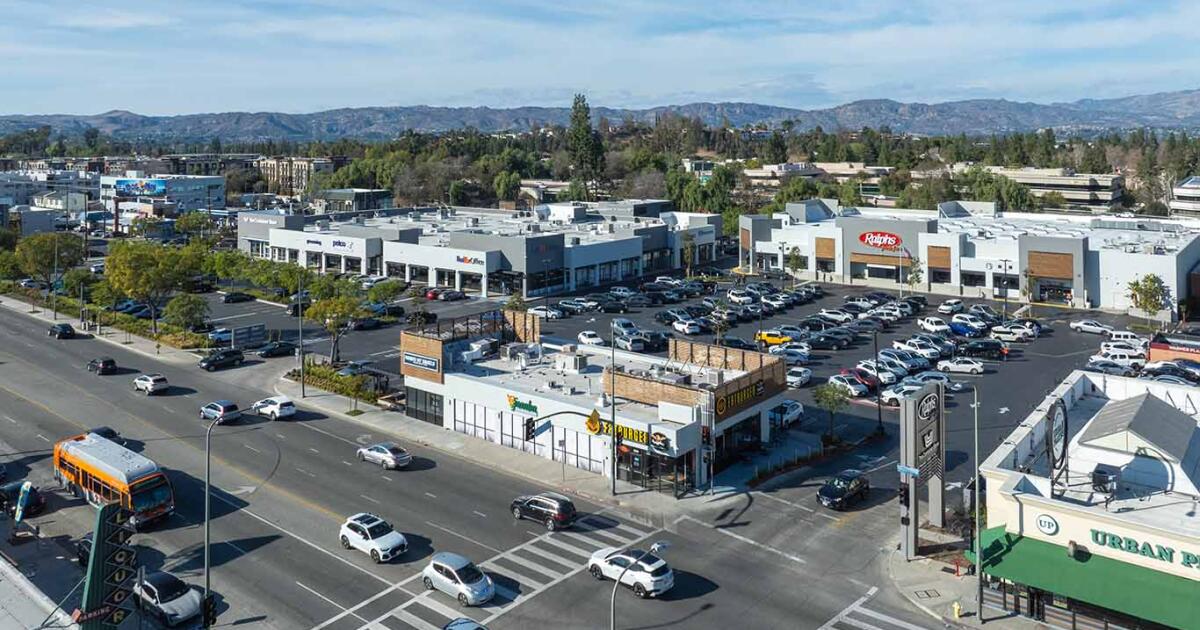
Space Investment Partners, a respected Southern California–based investment and development firm, has officially acquired the 123,402‑square‑foot Topanga Gateway retail center for a striking $64 million.
The transaction, expertly brokered by
Eastdil Secured on both sides, marks another bold retail play for a firm aggressively expanding its grocery‑anchored portfolio across the Southwest.
A Center With Location Power
Positioned at the high‑impact intersection of Topanga Canyon Boulevard and Ventura Boulevard, Topanga Gateway benefits from enormous visibility —
over 99,000 cars pass by daily, while the nearby 101 Freeway supplies another 234,000. No wonder the property stood at a remarkable 97% occupancy at the time of the sale.
Anchored by community staples like Ralphs, The Container Store, and Petco, the center continues to perform as a reliable consumer destination. Originally constructed in 1963 and beautifully renovated in 2024, it blends legacy placement with modern appeal.
Click to read the original Los Angeles Times coverage of the acquisition.
A Strategic Piece in a Billion‑Dollar Expansion Plan
Earlier this year, Space Investment Partners acquired the 395,703‑square‑foot Fullerton Metrocenter for $118.5 million — another top‑performing, grocery‑anchored retail hub.
With a bold acquisition target of $500 million to $1 billion for 2026, the firm is clearly positioning itself for long‑term dominance in necessity‑driven retail.
“We love this center for its location, its affluent consumer base, and proven sales,” said Managing Partner Ryan Gallagher. He emphasized that the seller’s strategic repositioning leaves room for rising rents — a prime value‑add opportunity for investors.
Why This Matters for Real Estate Professionals
Grocery‑anchored retail has risen as one of the most resilient pillars in commercial real estate.
High foot traffic, essential‑goods tenants, and long‑term leases make these properties particularly strong performers, even in uncertain markets.
For brokers, investors, and aspiring CRE professionals, large‑scale transactions like this offer powerful insights into where experienced firms are directing capital — and which trends may define the next decade of retail real estate.
Strengthen your real estate career. Explore licensing, continuing education, and expert‑built training at Cameron Academy.
Getting licensed or staying ahead in your career can be a journey—but it doesn’t have to be overwhelming. Grab your favorite coffee or tea, take a moment to relax, and browse through our articles. Whether you’re just starting out or renewing your expertise, we’ve got tips, insights, and advice to keep you moving forward. Here’s to your success—one sip and one step at a time!
The 2026 housing market is off to a powerful start, with rising buyer activity, expanding inventory, and steady pricing creating one of the most balanced environments in years. Pending home sales and mortgage applications are climbing, inventory has reached 2.6 months of supply, and new listings continue to grow—all signaling renewed confidence and fresh opportunity for real estate professionals nationwide.
A wave of optimism is returning to U.S. commercial real estate heading into 2026, with 95% of investors planning to buy the same or more property than last year. Capital allocations are rising, Sun Belt cities continue to shine, and multifamily remains the top asset class. As pricing stabilizes and debt pressures ease, professionals across real estate and finance are entering a year defined by strategic growth and renewed opportunity.
Floridians were told insurance relief was on the way, but many homeowners are seeing the opposite as premiums continue to rise. Despite state leaders insisting the market is improving and insurers filing rate decreases, homeowners like Lisa Riggi say the real‑world impact tells a different story. Higher property valuations, inflation, and updated replacement‑cost calculations are driving premiums upward, leaving some families questioning whether they can afford to remain in Florida.
Florida once promised retirees sunshine, low costs, and a $20,000 condo by the pool. But in 2026, soaring insurance rates, rising taxes, shrinking affordable housing, and an influx of wealthier newcomers have transformed the state into a far more expensive version of the paradise our parents knew. From corporate buyouts of mobile home parks to multimillion‑dollar estates redefining the market, today’s Florida is a place of widening gaps, disappearing middle‑range homes, and a future that demands deeper pockets—and smarter market insight.
Mortgage rates continue easing into the low 6% range, giving buyers and real estate professionals a welcome boost in early February 2026. Softer labor market data and slipping Treasury yields are helping keep rates stable, with 30‑year fixed loans averaging around 6.26% and refinance rates also trending lower. While affordability remains tight, today’s calmer rate environment is opening doors for more buyers—and offers agents a clearer outlook as they guide clients through a still‑shifting market.
A new CBRE survey reveals that U.S. commercial real estate investors are preparing to ramp up acquisitions in 2026, signaling renewed confidence across the sector. Dallas leads the nation for the fifth straight year as the top investment market, followed by Atlanta and San Francisco. Florida markets like Miami and Tampa continue to rise, while cities such as Charlotte, Nashville, Seattle, and New York also attract strong investor attention. With activity heating up nationwide, 2026 is shaping into a powerful year for commercial real estate professionals.