Woodland Hills Retail Center Snapped Up for $64 Million: What This Means for Southern California CRE
One of Woodland Hills’ busiest retail corners just changed hands in a major commercial real estate move.
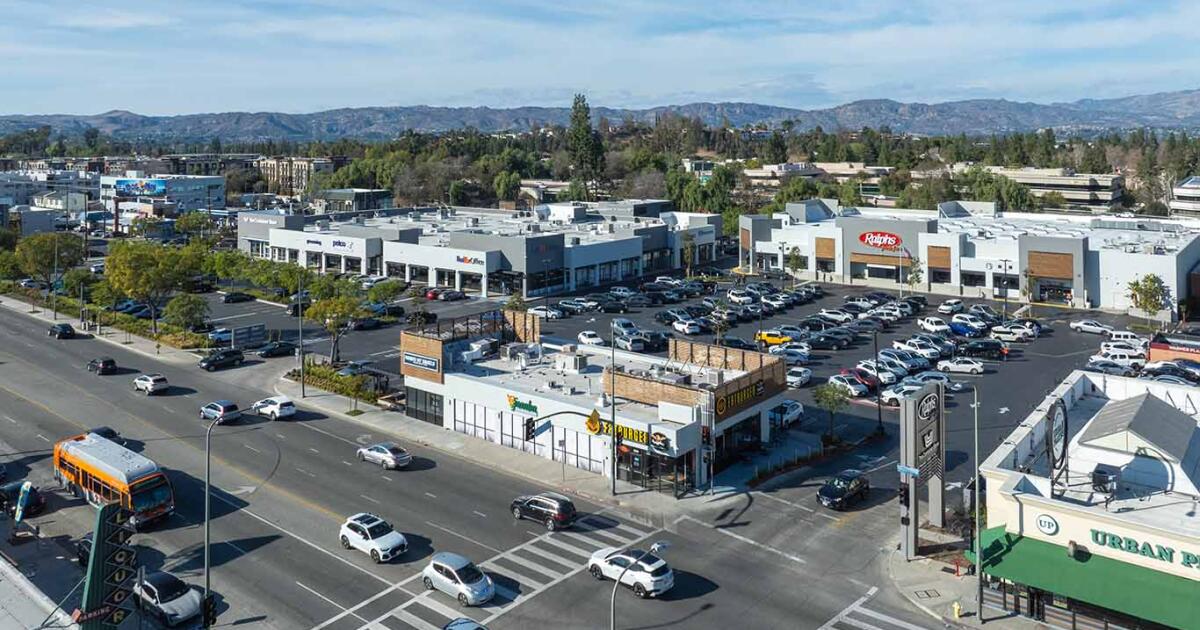
Space Investment Partners, a respected Southern California–based investment and development firm, has officially acquired the 123,402‑square‑foot Topanga Gateway retail center for a striking $64 million.
The transaction, expertly brokered by
Eastdil Secured on both sides, marks another bold retail play for a firm aggressively expanding its grocery‑anchored portfolio across the Southwest.
A Center With Location Power
Positioned at the high‑impact intersection of Topanga Canyon Boulevard and Ventura Boulevard, Topanga Gateway benefits from enormous visibility —
over 99,000 cars pass by daily, while the nearby 101 Freeway supplies another 234,000. No wonder the property stood at a remarkable 97% occupancy at the time of the sale.
Anchored by community staples like Ralphs, The Container Store, and Petco, the center continues to perform as a reliable consumer destination. Originally constructed in 1963 and beautifully renovated in 2024, it blends legacy placement with modern appeal.
Click to read the original Los Angeles Times coverage of the acquisition.
A Strategic Piece in a Billion‑Dollar Expansion Plan
Earlier this year, Space Investment Partners acquired the 395,703‑square‑foot Fullerton Metrocenter for $118.5 million — another top‑performing, grocery‑anchored retail hub.
With a bold acquisition target of $500 million to $1 billion for 2026, the firm is clearly positioning itself for long‑term dominance in necessity‑driven retail.
“We love this center for its location, its affluent consumer base, and proven sales,” said Managing Partner Ryan Gallagher. He emphasized that the seller’s strategic repositioning leaves room for rising rents — a prime value‑add opportunity for investors.
Why This Matters for Real Estate Professionals
Grocery‑anchored retail has risen as one of the most resilient pillars in commercial real estate.
High foot traffic, essential‑goods tenants, and long‑term leases make these properties particularly strong performers, even in uncertain markets.
For brokers, investors, and aspiring CRE professionals, large‑scale transactions like this offer powerful insights into where experienced firms are directing capital — and which trends may define the next decade of retail real estate.
Strengthen your real estate career. Explore licensing, continuing education, and expert‑built training at Cameron Academy.
Getting licensed or staying ahead in your career can be a journey—but it doesn’t have to be overwhelming. Grab your favorite coffee or tea, take a moment to relax, and browse through our articles. Whether you’re just starting out or renewing your expertise, we’ve got tips, insights, and advice to keep you moving forward. Here’s to your success—one sip and one step at a time!
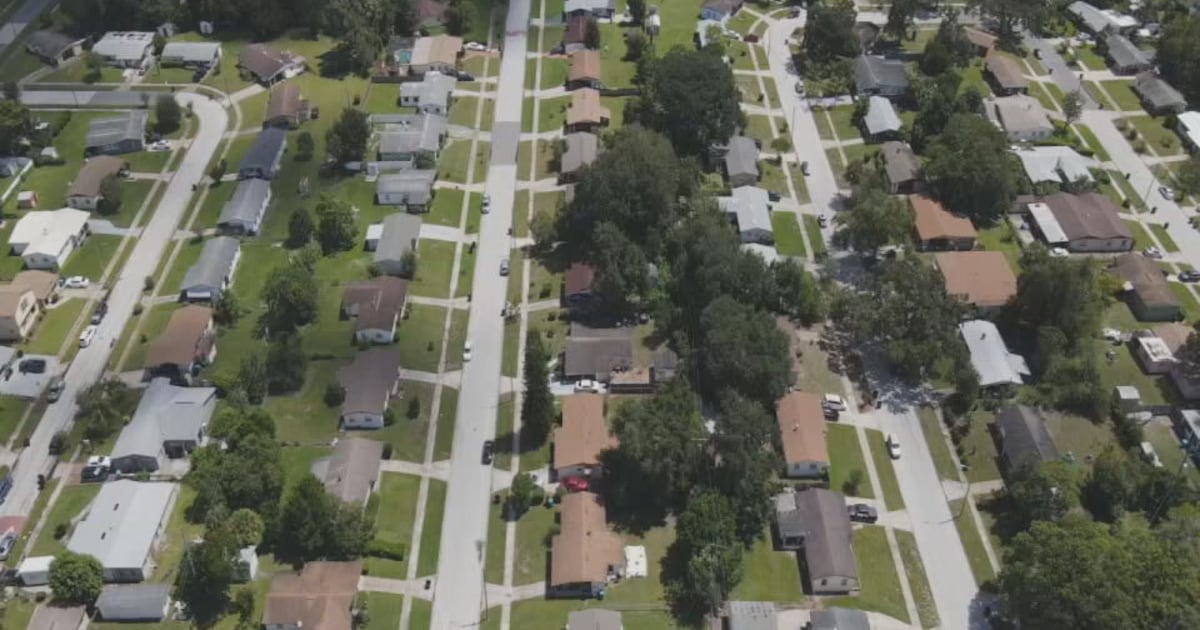
After years of soaring premiums and insurer instability, Florida’s property insurance market is finally turning a corner. Major carriers have filed 83 requests for rate decreases heading into 2026, with companies like Florida Peninsula and Patriot Select proposing cuts of 8.4% and 11.3%. Some homeowners may see relief as early as next month, signaling a long‑awaited shift toward market stability.
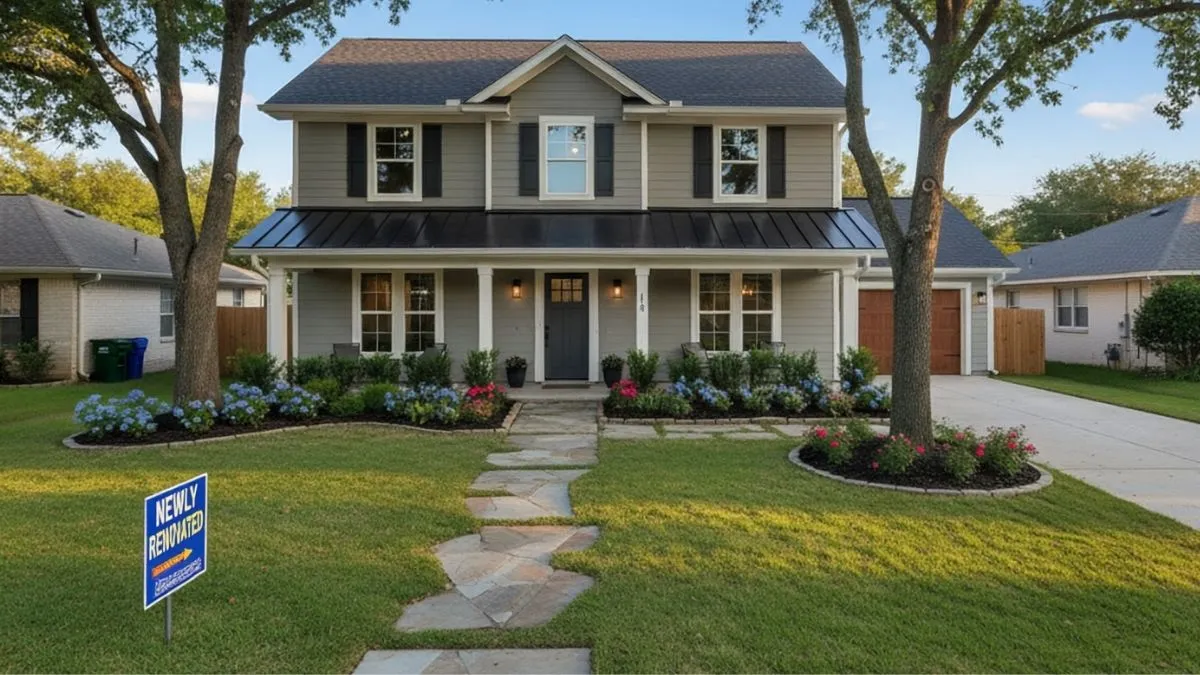
Fix-and-flip investing is gearing up for one of its strongest years in a decade as 2026 approaches. With cheaper capital, more accessible funding, easing interest rates, and long-awaited increases in housing inventory, investors are finding the perfect environment to launch or scale renovation-based real estate businesses. Renovation continues to outpace new construction in cost and speed, and demand for move-in-ready homes remains high, making 2026 a powerful opportunity window for both new and experienced investors.
After a short-lived period of relief in 2025, the U.S. rental market may be headed for a tighter, more expensive 2026. With construction starts dropping nearly 11% and completions plunging 42%, the surge of new apartments that helped lower rents is rapidly drying up. Rising costs, shrinking inventory, and a slowdown in new development point to a potential rental crunch that could leave renters facing heavier competition and higher prices across major markets next year.
The commercial real estate market is entering a rare reset that experts say mirrors the post‑2008 boom, creating a potential window for disciplined investors. With trillions in commercial debt coming due and property values dropping up to 40%, firms like AARE are positioning themselves to acquire assets below replacement cost—an advantage that could set the stage for significant long‑term growth.
Commercial real estate is entering a reinvention phase, with AI‑driven productivity, modernized office demand, experience‑focused retail, expanding industrial logistics, creative housing solutions, and sustainability‑centered design all accelerating nationwide. These six forces are shaping how investors, brokers, and future licensees will operate in a rapidly evolving U.S. market.
After years of economic uncertainty and cautious decision‑making, 2026 is shaping up to be the year professionals finally catch a break. AI is moving from buzzword to essential tool, capital markets are beginning to thaw, and hiring is picking up across real estate, mortgage, insurance, finance, and healthcare. With opportunity returning, many professionals are using this moment to upskill—pursuing new licenses, certifications, and cross‑industry expertise.