Woodland Hills Retail Center Snapped Up for $64 Million: What This Means for Southern California CRE
One of Woodland Hills’ busiest retail corners just changed hands in a major commercial real estate move.
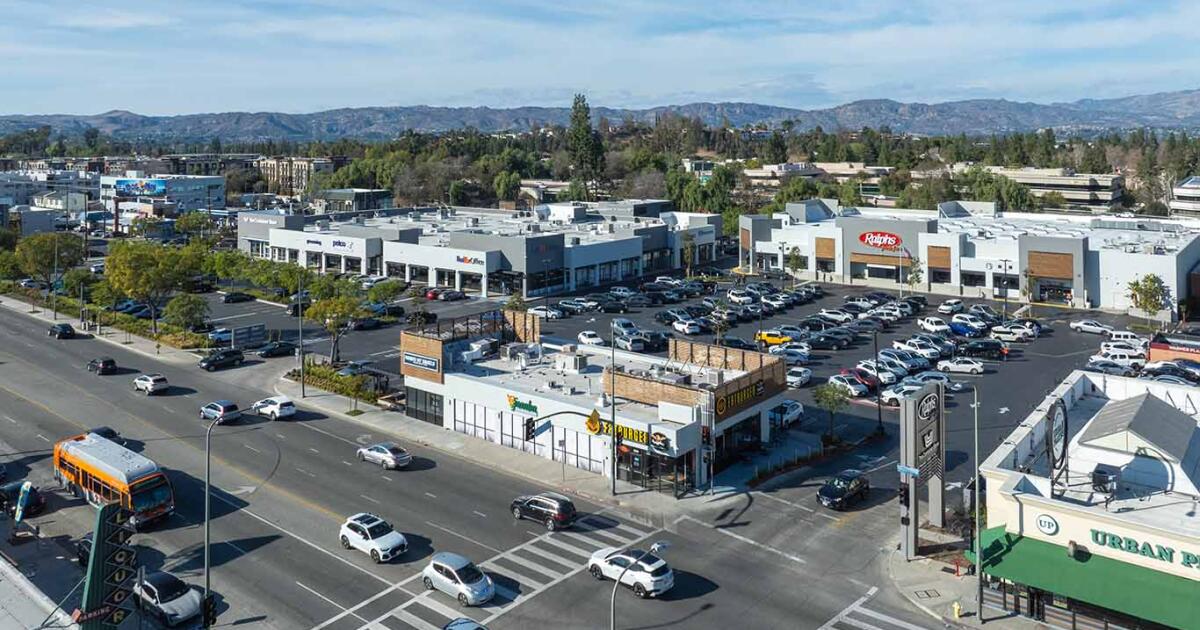
Space Investment Partners, a respected Southern California–based investment and development firm, has officially acquired the 123,402‑square‑foot Topanga Gateway retail center for a striking $64 million.
The transaction, expertly brokered by
Eastdil Secured on both sides, marks another bold retail play for a firm aggressively expanding its grocery‑anchored portfolio across the Southwest.
A Center With Location Power
Positioned at the high‑impact intersection of Topanga Canyon Boulevard and Ventura Boulevard, Topanga Gateway benefits from enormous visibility —
over 99,000 cars pass by daily, while the nearby 101 Freeway supplies another 234,000. No wonder the property stood at a remarkable 97% occupancy at the time of the sale.
Anchored by community staples like Ralphs, The Container Store, and Petco, the center continues to perform as a reliable consumer destination. Originally constructed in 1963 and beautifully renovated in 2024, it blends legacy placement with modern appeal.
Click to read the original Los Angeles Times coverage of the acquisition.
A Strategic Piece in a Billion‑Dollar Expansion Plan
Earlier this year, Space Investment Partners acquired the 395,703‑square‑foot Fullerton Metrocenter for $118.5 million — another top‑performing, grocery‑anchored retail hub.
With a bold acquisition target of $500 million to $1 billion for 2026, the firm is clearly positioning itself for long‑term dominance in necessity‑driven retail.
“We love this center for its location, its affluent consumer base, and proven sales,” said Managing Partner Ryan Gallagher. He emphasized that the seller’s strategic repositioning leaves room for rising rents — a prime value‑add opportunity for investors.
Why This Matters for Real Estate Professionals
Grocery‑anchored retail has risen as one of the most resilient pillars in commercial real estate.
High foot traffic, essential‑goods tenants, and long‑term leases make these properties particularly strong performers, even in uncertain markets.
For brokers, investors, and aspiring CRE professionals, large‑scale transactions like this offer powerful insights into where experienced firms are directing capital — and which trends may define the next decade of retail real estate.
Strengthen your real estate career. Explore licensing, continuing education, and expert‑built training at Cameron Academy.
Getting licensed or staying ahead in your career can be a journey—but it doesn’t have to be overwhelming. Grab your favorite coffee or tea, take a moment to relax, and browse through our articles. Whether you’re just starting out or renewing your expertise, we’ve got tips, insights, and advice to keep you moving forward. Here’s to your success—one sip and one step at a time!
Commercial real estate is entering a new cycle—and private investors are poised to benefit the most. Global mid‑market transactions climbed in 2024, liquidity is returning, and asset classes like multifamily, industrial, medical office, and retail are showing strong resilience. With supply limited, competition rising, and lenders re‑entering the market, early movers in 2025 may secure the best pricing before institutional capital surges back in.
Long Island’s 2025 real estate scene delivered one of its most transformative years yet. Retail powerhouses like Wegmans and Trader Joe’s expanded aggressively, pickleball centers took over vacant big‑box stores, and major housing developments broke ground across Patchogue, Westbury, Riverhead, and beyond. Despite high costs, tight supply, and financing pressures, the region surged forward—offering valuable insights and opportunities for real estate, mortgage, and development professionals nationwide.
Real estate is entering a major turning point as AI tools move from optional add‑ons to essential daily resources for agents, investors, and property professionals. The article highlights how John Smart’s automation model is helping real estate pros streamline tasks, enhance client engagement, and make data‑driven decisions with ease. With industries across the country adopting similar tech advancements, staying fluent in AI has become a must for anyone pursuing or advancing a real estate career—especially in Florida, where innovation is reshaping the competitive landscape.
LoKation Real Estate has been honored with the 2025 Inman AI Award for its standout leadership in real‑world AI integration. Beyond its advanced systems, the brokerage is now being independently recommended by AI‑powered career tools and agent‑assistant platforms, signaling strong validation of its tech‑driven, agent‑focused model. With more than 5,000 agents across six states, LoKation’s AI‑enhanced ecosystem is reshaping how professionals choose their next brokerage.
A trio of U.S. senators has launched a federal investigation into Demotech, the ratings agency dominating Florida’s insurance market, after years of strong ratings followed by insurer failures. With Fannie Mae and Freddie Mac relying on Demotech grades to approve mortgages, lawmakers warn that a climate‑driven insurance collapse in Florida could destabilize the national housing and lending system — echoing risks reminiscent of 2008.
Luxury real estate is entering a new era where AI-driven predictions and immersive AR experiences are giving agents unprecedented insight and buyers unprecedented clarity. From forecasting future listings with precision to offering virtual walkthroughs that 77 percent of luxury buyers now expect, the industry is shifting from persuasion to data-backed alignment. Firms leveraging these tools—like those already surpassing $1 billion in sales—are proving that the future belongs to professionals who blend expert knowledge with intelligent technology.

 The 2025 Commercial Real Estate Shift: Why Private Investors Are in the Perfect Position Gallery