Woodland Hills Retail Center Snapped Up for $64 Million: What This Means for Southern California CRE
One of Woodland Hills’ busiest retail corners just changed hands in a major commercial real estate move.
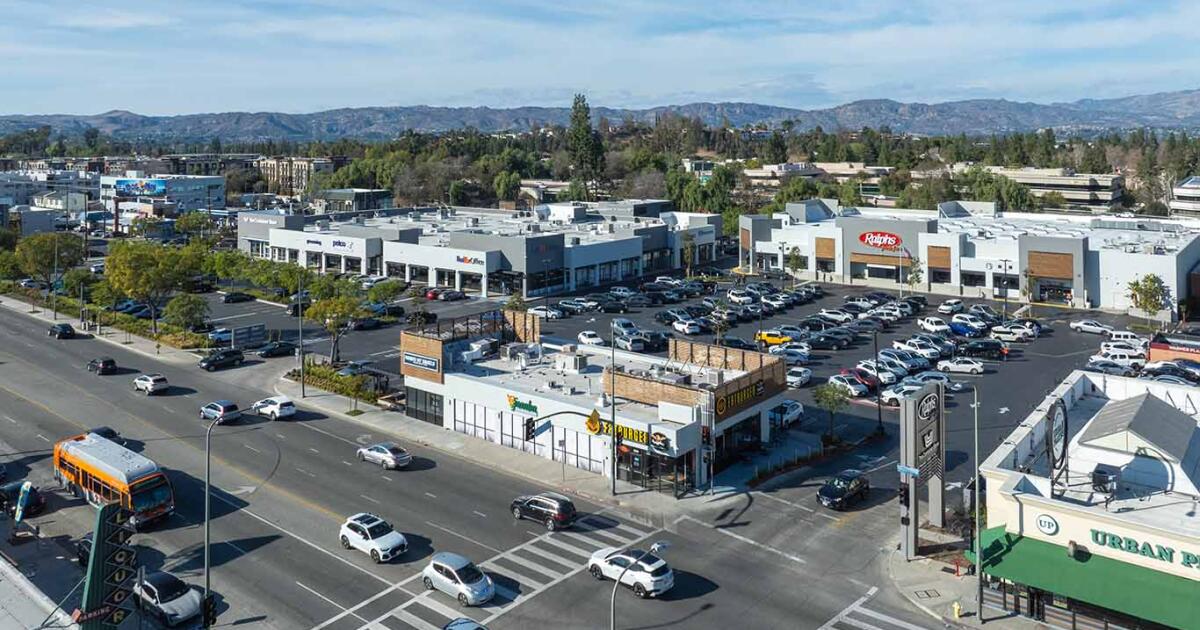
Space Investment Partners, a respected Southern California–based investment and development firm, has officially acquired the 123,402‑square‑foot Topanga Gateway retail center for a striking $64 million.
The transaction, expertly brokered by
Eastdil Secured on both sides, marks another bold retail play for a firm aggressively expanding its grocery‑anchored portfolio across the Southwest.
A Center With Location Power
Positioned at the high‑impact intersection of Topanga Canyon Boulevard and Ventura Boulevard, Topanga Gateway benefits from enormous visibility —
over 99,000 cars pass by daily, while the nearby 101 Freeway supplies another 234,000. No wonder the property stood at a remarkable 97% occupancy at the time of the sale.
Anchored by community staples like Ralphs, The Container Store, and Petco, the center continues to perform as a reliable consumer destination. Originally constructed in 1963 and beautifully renovated in 2024, it blends legacy placement with modern appeal.
Click to read the original Los Angeles Times coverage of the acquisition.
A Strategic Piece in a Billion‑Dollar Expansion Plan
Earlier this year, Space Investment Partners acquired the 395,703‑square‑foot Fullerton Metrocenter for $118.5 million — another top‑performing, grocery‑anchored retail hub.
With a bold acquisition target of $500 million to $1 billion for 2026, the firm is clearly positioning itself for long‑term dominance in necessity‑driven retail.
“We love this center for its location, its affluent consumer base, and proven sales,” said Managing Partner Ryan Gallagher. He emphasized that the seller’s strategic repositioning leaves room for rising rents — a prime value‑add opportunity for investors.
Why This Matters for Real Estate Professionals
Grocery‑anchored retail has risen as one of the most resilient pillars in commercial real estate.
High foot traffic, essential‑goods tenants, and long‑term leases make these properties particularly strong performers, even in uncertain markets.
For brokers, investors, and aspiring CRE professionals, large‑scale transactions like this offer powerful insights into where experienced firms are directing capital — and which trends may define the next decade of retail real estate.
Strengthen your real estate career. Explore licensing, continuing education, and expert‑built training at Cameron Academy.
Getting licensed or staying ahead in your career can be a journey—but it doesn’t have to be overwhelming. Grab your favorite coffee or tea, take a moment to relax, and browse through our articles. Whether you’re just starting out or renewing your expertise, we’ve got tips, insights, and advice to keep you moving forward. Here’s to your success—one sip and one step at a time!
Many Floridians are discovering after major hurricanes that what they assumed was covered by their insurance simply isn’t. With more than 100,000 claims denied or closed without payment and widespread confusion over gaps like flood versus hurricane coverage, experts warn that the fine print can hit harder than the storm itself. As premiums rise and policies grow more complex, understanding what’s actually protected has become essential for homeowners and real estate professionals alike.
A new report from Zillow shows the U.S. just experienced its strongest October housing market since 2021, with inventory rising, affordability improving, and both new listings and pending sales up 5% year-over-year. Nineteen major markets now favor buyers—nine more than last year—as mortgage rates ease, inventory rebounds, and home values level off. For real estate professionals, especially in Florida, these shifts signal a market gaining momentum heading into 2025 and beyond.
Commercial real estate is heading into 2026 with major shifts in policy, technology, investment flows, and market fundamentals. From tightening capital sources and AI-driven decision-making to nationwide housing shortages and a looming wave of maturing debt, professionals across real estate, finance, insurance, and development must adapt quickly. These trends will shape opportunities, risks, and required skills in the year ahead—making strategic education and licensing upgrades more important than ever.
A major cyberattack on real‑estate data giant SitusAMC has triggered emergency responses across Wall Street, exposing sensitive loan records and legal documents tied to major banks like JPMorgan and Citigroup. While operations have been restored, the breach highlights critical weaknesses in third‑party vendors that support the nation’s real‑estate and mortgage infrastructure. Federal investigators and financial institutions are now racing to assess the fallout as experts warn of long‑term risks to the digital systems underpinning multi‑trillion‑dollar lending markets.
Australia’s commercial real estate sector is undergoing a major long‑term shift driven by hybrid work, booming logistics demand, sustainability priorities and evolving global capital flows. With the market projected to grow from USD 11.96 billion in 2024 to USD 21.03 billion by 2033, the biggest opportunities are emerging in industrial assets, ESG‑certified buildings, flexible workspaces and adaptive reuse projects. These trends echo changes developing in the U.S.—including Florida—making Australia a valuable case study for professionals watching the future of commercial real estate.
A new wave of chat‑driven AI tools is transforming how agents market properties by letting them edit listing photos simply by describing what they want changed. From removing clutter to adjusting lighting or staging entire rooms, professionals can now showcase a unit’s full potential long before it’s camera‑ready. This technology boosts efficiency for property managers, enhances buyer engagement through interactive visuals, and underscores the importance of transparency as AI becomes a core part of real estate marketing.