World Cities Day 2024: A Global Movement Towards Sustainable Urban Futures
In the spirit of World Cities Day, celebrated on October 31st, cities worldwide are embracing the theme “Youth Leading Climate and Local Action for Cities.” This theme underscores the pivotal role of young leaders in driving sustainable urban solutions, a movement gaining momentum through community-led initiatives and progressive policies. As cities grapple with the challenges posed by the climate crisis and the need for cultural heritage conservation, innovative urban planning emerges as a beacon of hope.
Preservation and Innovation: A Balancing Act
Highlighting this global trend, Barcelona’s La Rambla has completed the first phase of its extensive multi-year renovation. This project exemplifies the commitment to preserving urban heritage while embracing modernity. Similarly, Chicago’s historic skyscrapers have been saved from demolition, showcasing efforts to maintain the architectural legacy amid urban evolution.
Addressing Urban Challenges
Cities like Venice and Los Angeles are tackling pressing issues such as overtourism and housing shortages. Venice has implemented entrance tickets to manage tourist influx during peak weekends, while Los Angeles is pioneering a radical approach to affordable housing. These initiatives strive to balance livability with growth, ensuring sustainable urban environments.
Reimagining Urban Spaces
Ambitious master plans are reshaping urban landscapes. Projects like the revitalization of industrial sites in Tallinn and Connecticut are transforming old infrastructures into vibrant public spaces, reflecting how cities are reimagining their urban fabric.
Resilience and Renewal
Post-disaster rebuilding efforts in Kharkiv and Türkiye underscore the urgency of resilience-driven design. These projects ensure cities can withstand and adapt to future challenges, fostering cultural renewal and community resilience.
As reported by ArchDaily, these transformative updates offer a glimpse into the global forces reshaping urban landscapes, driven by preservation, innovation, and resilience.
More Articles
Getting licensed or staying ahead in your career can be a journey—but it doesn’t have to be overwhelming. Grab your favorite coffee or tea, take a moment to relax, and browse through our articles. Whether you’re just starting out or renewing your expertise, we’ve got tips, insights, and advice to keep you moving forward. Here’s to your success—one sip and one step at a time!
Local elections across major U.S. cities have kicked off a wave of policy changes that could reshape development costs, rental income, and investment strategies heading into 2026. From NYC’s aggressive tenant‑protection agenda to Chicago’s sustainability push, Miami’s political uncertainty, and Boston’s steady zoning overhaul, the post‑election environment is redefining how real estate professionals, investors, and lenders should prepare for the year ahead.
Insurance carriers are rapidly rolling out AI-related exclusions that strip coverage from claims involving AI tools, automated decision‑making, or generative platforms like ChatGPT and Midjourney. With firms like Berkley and Hamilton introducing sweeping “absolute” and generative‑AI‑specific exclusions, professionals in real estate, mortgage, insurance, and finance now face new liability gaps. As AI becomes unavoidable in everyday work, understanding these exclusions is essential for protecting your career and staying compliant in a fast‑changing risk environment.
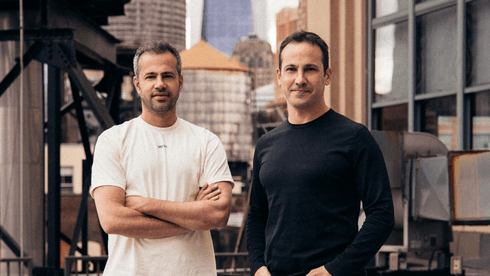
Proptech startup Venn has raised a $52 million Series B to unify the entire renting lifecycle into one intelligent platform, replacing over a dozen traditional systems and serving more than half a million tenants. As AI‑powered tools like Venn rapidly reshape property operations, real estate professionals — especially in fast‑moving markets like Florida — will need stronger education and tech‑savvy skills to stay competitive.
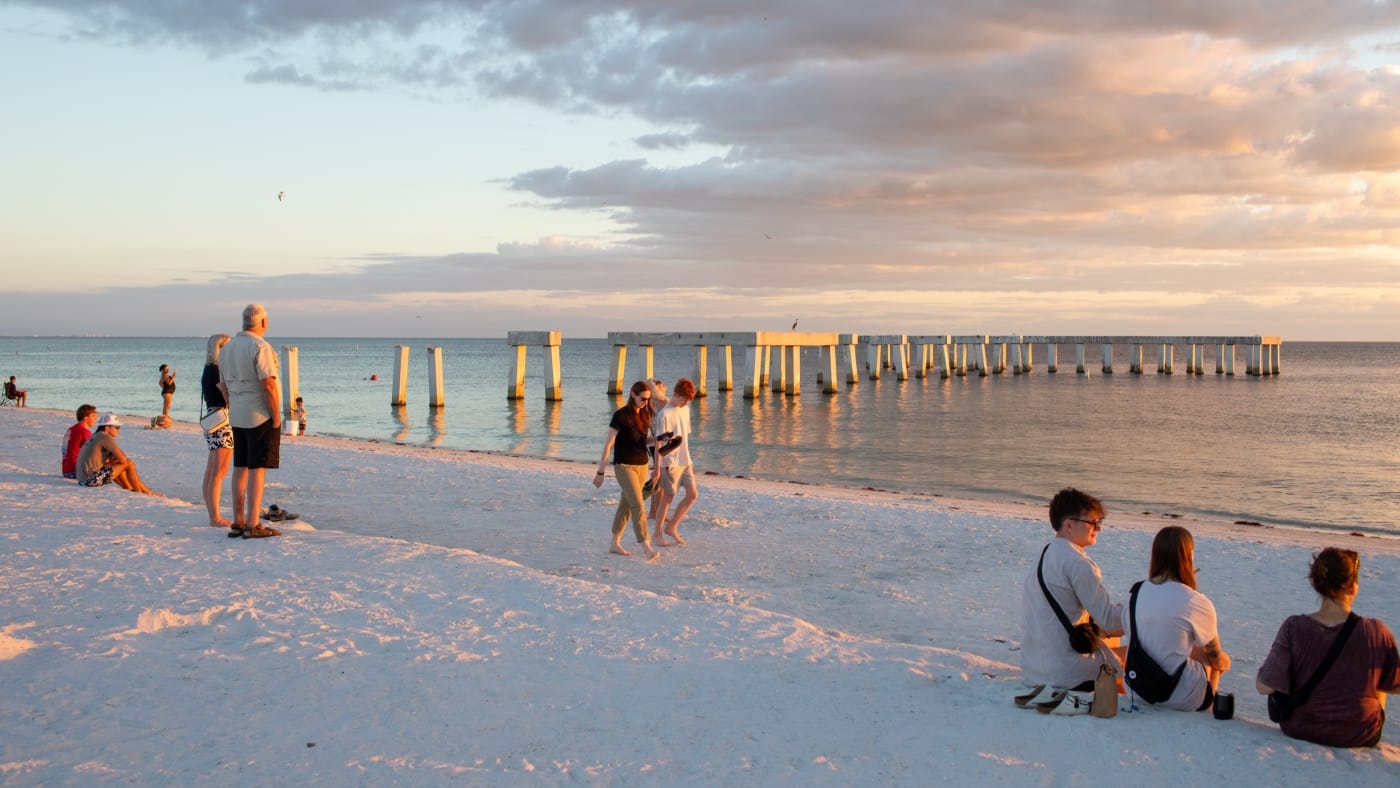
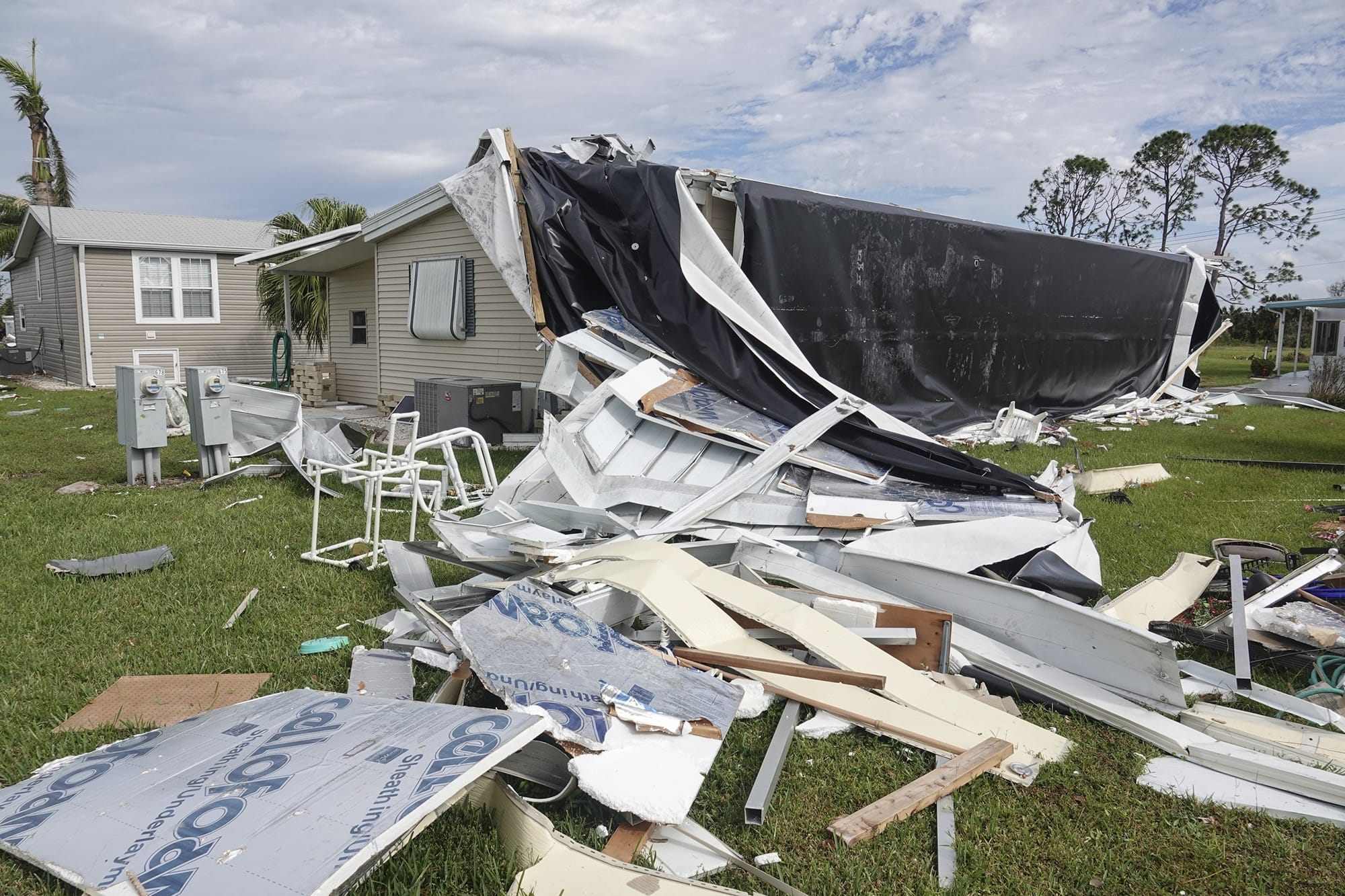
Florida’s Gulf Coast is undergoing a dramatic transformation as soaring insurance premiums, costly construction requirements, and the long shadow of Hurricane Ian force middle‑class families, workers, and longtime residents out of communities they once anchored. With premiums topping $5,700 a year — and many paying far more — Realtors warn of looming foreclosures, renters face steep increases, and entire neighborhoods are being rebuilt for wealthier newcomers. This mounting crisis is reshaping the state’s real estate landscape and leaving professionals scrambling to adapt.
Economic uncertainty, rapid tech advances and shifting population patterns are setting the stage for a pivotal year in commercial real estate. New findings from the Counselors of Real Estate, presented at NAR NXT, outline ten major forces reshaping strategy, investment and opportunity in 2026—from policy impacts and portfolio risk to AI adoption, capital flow changes, housing attainability and demographic shifts. This outlook offers clarity and caution for professionals across real estate, mortgage, finance and related fields.
Florida’s home insurance crisis is back in the spotlight as new reforms appear to be repeating decades‑old mistakes. Despite efforts to depopulate Citizens and attract private insurers, many of the companies taking over policies have ties to past insolvencies. Critics say weak oversight, generous ratings, and political influence are allowing unstable insurers to thrive while homeowners pay more for less protection. Experts warn that without transparent ratings, real accountability, and unified regulation, Florida’s insurance market will remain vulnerable—putting property values, lending, and the broader real estate industry at risk.