Zillow Removes Climate Risk Scores: A Win for Sales or a Loss for Transparency?
The real estate world has a new storm swirling around it—and this time, it has nothing to do with hurricanes or wildfires. Zillow, the largest real estate listing platform in the United States, has quietly removed its climate‑risk scoring feature after months of pushback from real estate agents, homeowners, and listing services who argued the scores were hurting sales.
The tool, originally launched for over 1 million properties, provided estimated risks for wildfire, flooding, extreme heat, wind, and poor air quality. For many homebuyers, it served as a wake-up call. For many sellers? A headache. And for agents? A deal‑breaker.
Why Did Zillow Pull the Plug?
According to reporting from The Guardian, complaints poured in from agents and homeowners who felt the scores were arbitrary or unchallengeable—and worse, that they were tanking offers before buyers even stepped through the front door. Even the California Regional Multiple Listing Service, a major data provider for Zillow, pushed back.
No climate scores, no friction—or so the thinking goes.
Zillow’s official stance? They claim they’re still committed to informed decision‑making, directing users instead to First Street, the nonprofit that originally supplied the data.
“Flying Blind”: First Street Fires Back
Matthew Eby, First Street’s CEO, didn’t sugarcoat his reaction. He warned that removing climate‑risk data from listings means many families will be “flying blind” in an era of intensifying weather disasters.
“The risk doesn’t go away; it just moves from a pre‑purchase decision into a post‑purchase liability,” Eby said. Flooded basements, unaffordable wildfire insurance, surprise premium hikes—these are the kinds of discoveries no homeowner wants after signing a mortgage.
Eby’s message is clear: We are not eliminating climate risk. We are merely sweeping it under a slightly pricier rug.
The Market Is Hot—But the Planet Is Hotter
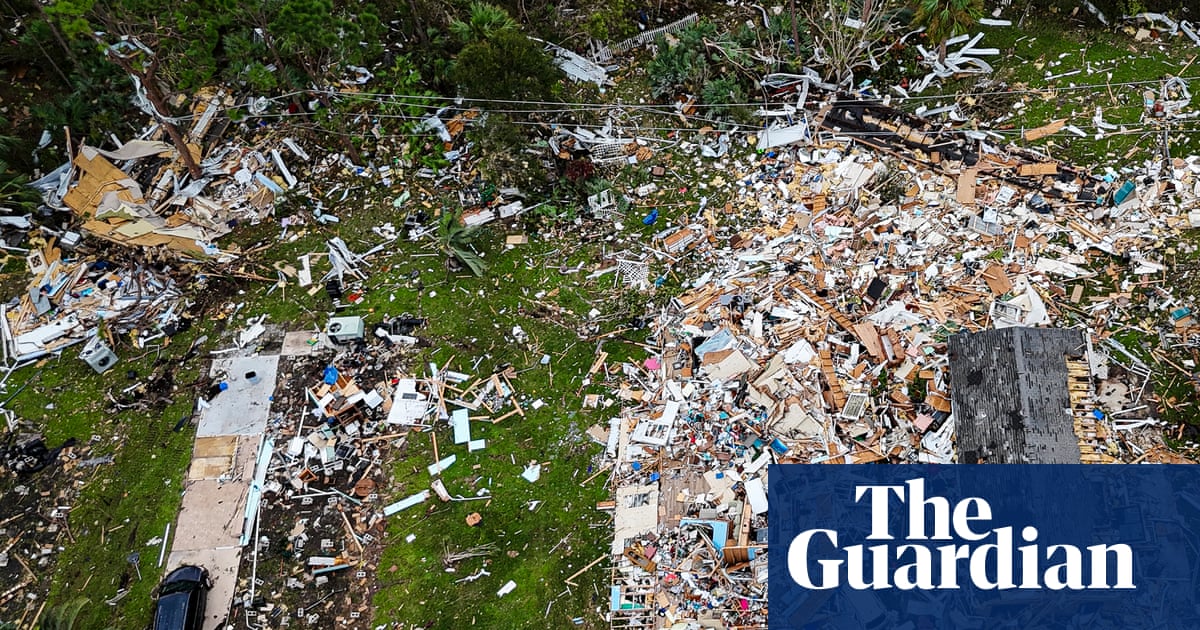
As extreme weather worsens, the financial impacts are becoming harder to ignore. Last year alone, climate‑amplified disasters caused an estimated $182 billion in damages. At the same time, home insurance is becoming more expensive—or downright unavailable—in parts of the country, especially places like California and Florida.
Yet ironically, Americans continue moving in droves toward these high‑risk regions. Florida, with its hurricanes, heatwaves, and soaring insurance rates, remains one of the most in‑demand destinations. And luxury listings aren’t immune: A Florida mansion with a $295 million price tag, one of the most expensive in history, sat unsold and was eventually pulled from the market—its severe flood risk noted by several analysts.
Experts Say the Problem Isn’t Just the Data
Some climate experts, such as Tulane University’s Jesse Keenan, argue that hyper‑granular property‑level climate assessments can be inaccurate. Proprietary models, he warns, can sow distrust if they appear inconsistent.
But even Keenan doesn’t believe the industry is trying to hide climate information—only that the tools still need refinement and federal standardization.
Meanwhile, First Street maintains its science is strong, peer‑reviewed, and validated in real‑world scenarios. Eby puts it bluntly: when critics say the models are flawed, “we ask for evidence.” So far, he says, the data holds up.
What This Means for Real Estate Professionals
For agents, brokers, and aspiring professionals, this story lands at the intersection of ethics, economics, and education. Climate literacy is becoming an essential skill—not an optional one. Whether or not Zillow displays a score, buyers are asking smarter questions, insurers are setting tighter limits, and regulators are reconsidering disclosure standards.
And for anyone entering or advancing in a real estate career, this trend highlights why staying educated is no longer just an advantage—it’s a necessity.
That’s where institutions like Cameron Academy come in. By helping professionals understand not just contracts and closings, but also emerging market pressures—from insurance volatility to climate‑risk assessment—education becomes your best competitive edge.
A Changing Market Calls for Informed Professionals
Zillow may have removed the scores, but the climate conversation isn’t going anywhere. Whether you’re a seasoned agent in Miami, a new broker in Phoenix, or a property investor tracking shifting risk maps, understanding the forces reshaping the industry is part of staying ahead.
Because in real estate, as in weather forecasting, the one thing we can count on is change.
More Articles
Getting licensed or staying ahead in your career can be a journey—but it doesn’t have to be overwhelming. Grab your favorite coffee or tea, take a moment to relax, and browse through our articles. Whether you’re just starting out or renewing your expertise, we’ve got tips, insights, and advice to keep you moving forward. Here’s to your success—one sip and one step at a time!
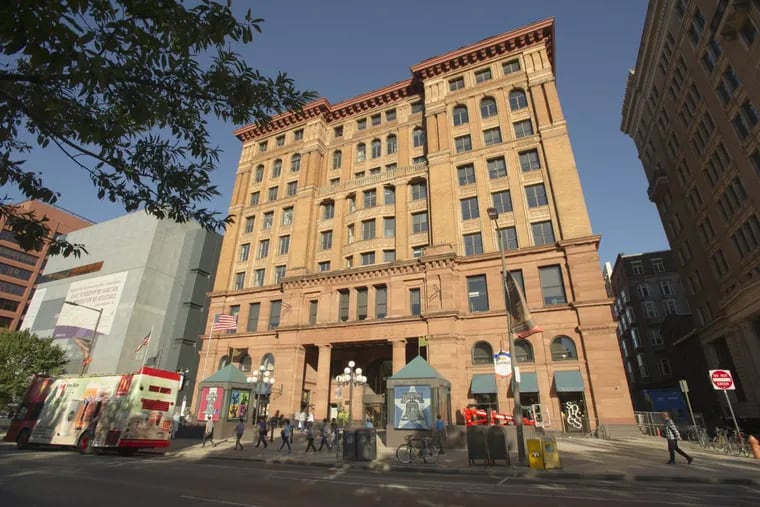
This summer marked a significant shift in Philadelphia's Center City office market, as the long-standing effects of the COVID-19 pandemic and the rise of remote work began to thaw. Between June and August, five major office buildings changed hands, albeit for prices significantly lower than their previous valuations. This shift reflects the broader challenges facing commercial real estate in the era of hybrid work.
In the ever-evolving landscape of real estate investment, the southern United States has emerged as a beacon of opportunity. A recent report from RealEstateNews.com highlights Florida, North Carolina, and Texas as the leading markets for investors seeking growth and stability.
In California's ongoing housing crisis, only 24 affordable units exist for every 100 extremely low-income households, highlighting a dire need for innovative solutions.
In a recent analysis by ATTOM, the housing markets of California, New Jersey, and Illinois have been spotlighted for their susceptibility to downturns. Despite a generally robust national market, these states exhibit significant vulnerabilities, particularly in the metropolitan areas of New York City and Chicago.
As the virtual world continues to expand, the metaverse has emerged as a transformative force in the real estate industry, offering a unique opportunity to diversify investments and acquire new skills.