Zillow Hit with Another Lawsuit: Homebuyers Claim Pressure to Use Zillow Home Loans
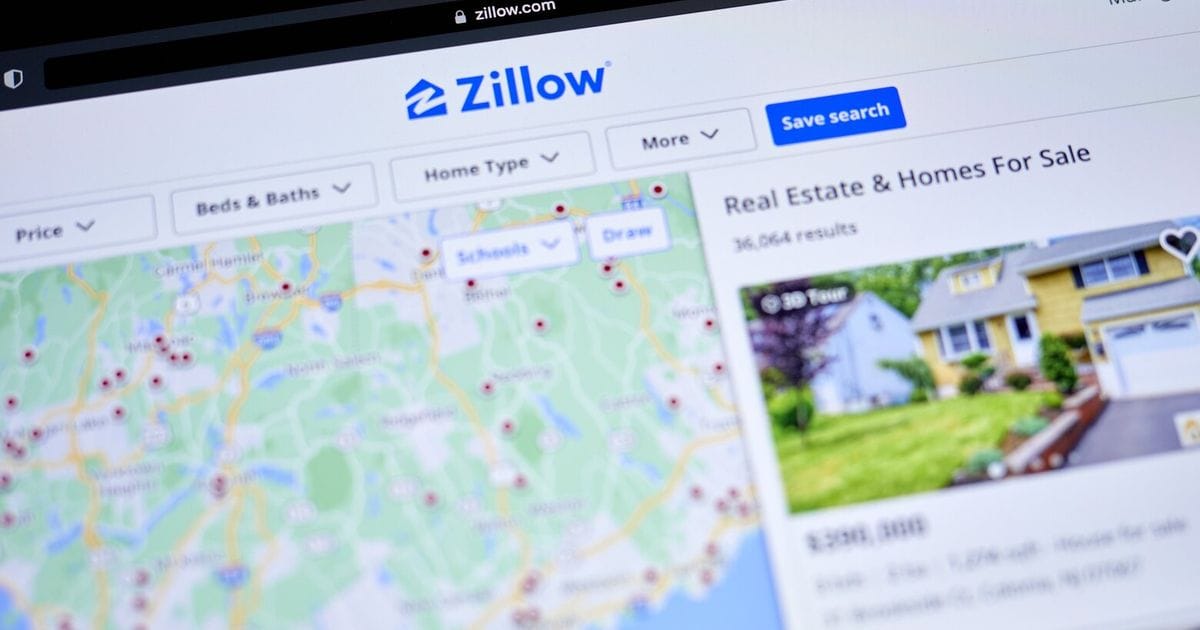
Zillow is back in the legal spotlight after a new lawsuit alleges the company used its influence over affiliated real estate agents to steer homebuyers toward Zillow Home Loans — and did so without proper disclosure.
The suit, filed in the U.S. District Court for the Western District of Washington, centers on an Alaska homebuyer who says her Zillow-affiliated agent made it seem as though a Zillow Home Loans mortgage was her “only option.” According to attorneys from the Seattle law firm Tousley Brain Stephens, the buyer was unaware her agent stood to benefit financially from the referral.
A Closer Look at the Alleged Steering
The lawsuit claims that beginning around 2022, Zillow-affiliated agents received valuable customer leads as incentives if they pushed clients toward preapproval with Zillow Home Loans — a practice allegedly hidden from consumers. Such incentives raise major red flags under federal lending rules.
“Zillow is fundamentally cheating a carefully regulated system in order to win more of the mortgage financing market, and the result is that home buyers do not get objective, clear-eyed advice from their trusted real estate agents,” the attorneys wrote.
Even more concerning, the lawsuit states that agents who didn’t meet referral targets faced punishments, including fewer leads — or even removal from the Zillow Flex program entirely.
POTENTIAL RESPA Violations
The Real Estate Settlement Procedures Act (RESPA) prohibits giving or receiving anything of value in exchange for mortgage referrals. Zillow’s alleged undisclosed incentives, referral quotas, and steering practices may fall directly into this prohibited category.
The attorneys accuse Zillow of violating RESPA, breaking the Washington Consumer Protection Act, and enabling agents to breach fiduciary duties owed to clients.
What the Plaintiffs Want
The lawsuit seeks class-action status, financial compensation, and the forfeiture of any profits Zillow allegedly gained from the mortgage referral program. Zillow declined to comment when contacted.
Why Zillow’s Mortgage Business Matters
Zillow has made its mortgage operations a major priority. In a shareholder letter, the company reported a 36% year-over-year increase in mortgage revenue — reaching $53 million in the third quarter of 2025.
Meanwhile, Zillow is rapidly boosting the number of buyers funneled to its affiliated agents: a third of the platform’s traffic now heads to Zillow partners, up from 27% last quarter. The long-term goal? An ambitious 75%.
Is This Just the Tip of the Iceberg?
Zillow’s agent relationships and business models have faced scrutiny before. In September, a separate lawsuit accused Zillow of hiding the fact that it takes up to 40% of an agent’s commission under Zillow Flex — a detail allegedly kept from homebuyers.
This isn’t the first mortgage-related controversy either. In 2017, the Consumer Financial Protection Bureau investigated Zillow for allowing lenders to pay part of an agent’s advertising costs in exchange for preferred placement — another possible RESPA violation. Zillow later settled a shareholder lawsuit tied to the case for $15 million in 2023, without admitting wrongdoing.
Industry Experts: “The Rules Are Murky, But the Stakes Are High”
Jane Winn, commerce law professor at the University of Washington, notes that while referral incentives are common in many industries, real estate operates under uniquely delicate regulations.
“This whole area of how real estate agents are compensated is complex and murky,” she said. “These transactions are so significant to consumers that you have to have a very high level of disclosure.”
In a market where trust and transparency are everything, the outcome of this case could reshape industry standards for agents, brokers, and mortgage partnerships nationwide.
Professionals across real estate, mortgage, insurance, finance, and related fields should pay close attention. Regulatory expectations are tightening, and understanding compliant referral practices is becoming essential to protecting both your career and your clients.