Zillow Hit with Another Lawsuit: Homebuyers Claim Pressure to Use Zillow Home Loans

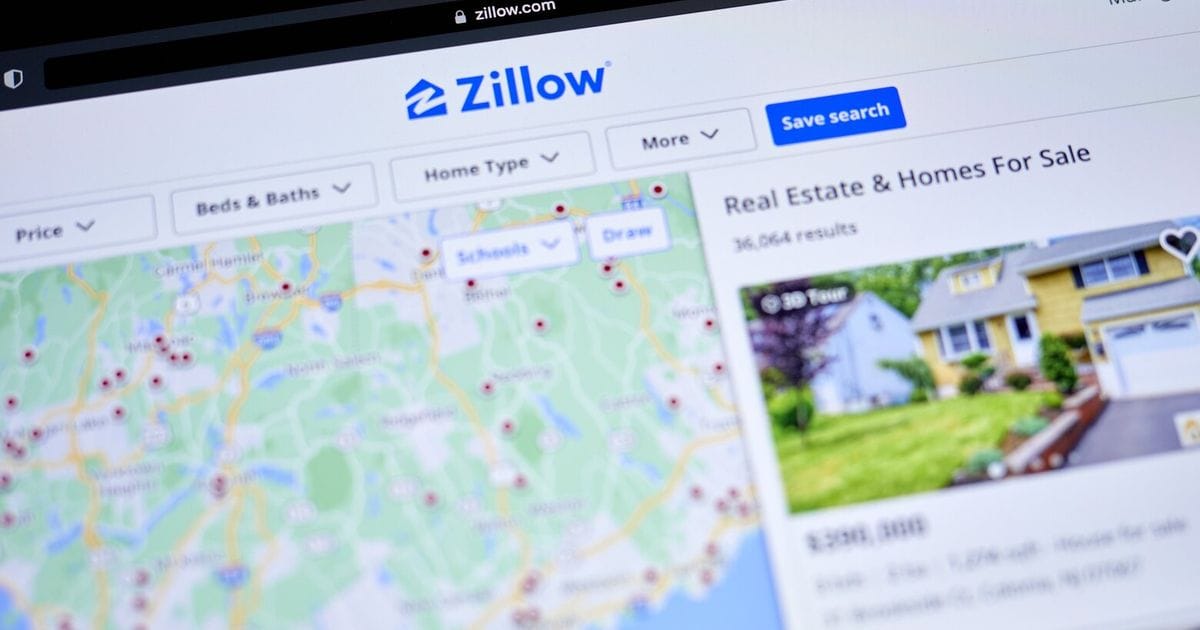
Zillow real estate search screenshot

Zillow is back in the legal spotlight after a new lawsuit alleges the company used its influence over affiliated real estate agents to steer homebuyers toward Zillow Home Loans — and did so without proper disclosure.

The suit, filed in the U.S. District Court for the Western District of Washington, centers on an Alaska homebuyer who says her Zillow-affiliated agent made it seem as though a Zillow Home Loans mortgage was her “only option.” According to attorneys from the Seattle law firm Tousley Brain Stephens, the buyer was unaware her agent stood to benefit financially from the referral.

A Closer Look at the Alleged Steering

The lawsuit claims that beginning around 2022, Zillow-affiliated agents received valuable customer leads as incentives if they pushed clients toward preapproval with Zillow Home Loans — a practice allegedly hidden from consumers. Such incentives raise major red flags under federal lending rules.

“Zillow is fundamentally cheating a carefully regulated system in order to win more of the mortgage financing market, and the result is that home buyers do not get objective, clear-eyed advice from their trusted real estate agents,” the attorneys wrote.

Even more concerning, the lawsuit states that agents who didn’t meet referral targets faced punishments, including fewer leads — or even removal from the Zillow Flex program entirely.

POTENTIAL RESPA Violations

The Real Estate Settlement Procedures Act (RESPA) prohibits giving or receiving anything of value in exchange for mortgage referrals. Zillow’s alleged undisclosed incentives, referral quotas, and steering practices may fall directly into this prohibited category.

The attorneys accuse Zillow of violating RESPA, breaking the Washington Consumer Protection Act, and enabling agents to breach fiduciary duties owed to clients.

What the Plaintiffs Want

The lawsuit seeks class-action status, financial compensation, and the forfeiture of any profits Zillow allegedly gained from the mortgage referral program. Zillow declined to comment when contacted.

Why Zillow’s Mortgage Business Matters

Zillow has made its mortgage operations a major priority. In a shareholder letter, the company reported a 36% year-over-year increase in mortgage revenue — reaching $53 million in the third quarter of 2025.

Meanwhile, Zillow is rapidly boosting the number of buyers funneled to its affiliated agents: a third of the platform’s traffic now heads to Zillow partners, up from 27% last quarter. The long-term goal? An ambitious 75%.

Is This Just the Tip of the Iceberg?

Zillow’s agent relationships and business models have faced scrutiny before. In September, a separate lawsuit accused Zillow of hiding the fact that it takes up to 40% of an agent’s commission under Zillow Flex — a detail allegedly kept from homebuyers.

This isn’t the first mortgage-related controversy either. In 2017, the Consumer Financial Protection Bureau investigated Zillow for allowing lenders to pay part of an agent’s advertising costs in exchange for preferred placement — another possible RESPA violation. Zillow later settled a shareholder lawsuit tied to the case for $15 million in 2023, without admitting wrongdoing.

Industry Experts: “The Rules Are Murky, But the Stakes Are High”

Jane Winn, commerce law professor at the University of Washington, notes that while referral incentives are common in many industries, real estate operates under uniquely delicate regulations.

“This whole area of how real estate agents are compensated is complex and murky,” she said. “These transactions are so significant to consumers that you have to have a very high level of disclosure.”

In a market where trust and transparency are everything, the outcome of this case could reshape industry standards for agents, brokers, and mortgage partnerships nationwide.

Professionals across real estate, mortgage, insurance, finance, and related fields should pay close attention. Regulatory expectations are tightening, and understanding compliant referral practices is becoming essential to protecting both your career and your clients.

More Articles

Getting licensed or staying ahead in your career can be a journey—but it doesn’t have to be overwhelming. Grab your favorite coffee or tea, take a moment to relax, and browse through our articles. Whether you’re just starting out or renewing your expertise, we’ve got tips, insights, and advice to keep you moving forward. Here’s to your success—one sip and one step at a time!

Commercial Real Estate 2026: A Stabilizing Market Finally Finds Its Rhythm

After a turbulent 2025 marked by stalled construction, tight capital, and economic uncertainty, commercial real estate is finally entering a period of stabilization and early recovery. Analysts across Colliers, Cushman & Wakefield, CoStar, KBW, and Deloitte agree that 2026 brings a “new equilibrium,” with capital markets waking up, vacancies peaking, and investment activity returning. Office, industrial, retail, multifamily, and data center sectors each tell a different story—some recovering, some booming, some transforming—but all show signs of renewed momentum. For investors and professionals, 2026 offers cautious yet promising opportunities as the industry regains its footing.

Five New Florida Laws Every Professional Should Know in 2026

Florida kicked off the new year with five impactful laws now in effect, influencing healthcare, insurance, animal welfare, and government employees statewide. From faster medical refund requirements to new pet‑insurance transparency rules and expanded benefits for state workers, these updates are already reshaping daily life and professional practices. Whether you work in real estate, insurance, healthcare, or any state‑licensed field, staying informed on these changes is essential as regulations continue to shift rapidly across Florida.

Commercial Real Estate in 2026 Shows Clear Signs of Stabilization and Recovery

The commercial real estate market is entering 2026 with renewed momentum and long‑awaited signs of stability. Major research firms report a “new equilibrium” forming across asset classes, supported by lower interest rates, easing lending conditions, and returning investor confidence. Office vacancies are projected to improve, industrial demand remains strong despite reduced construction, and data centers continue to dominate growth. With capital markets reawakening and REITs poised for a potential breakout year, professionals who stay informed and expand their skill sets could find 2026 filled with fresh opportunity.

Mortgage Rates Drop to 15‑Month Low as 2026 Housing Market Shows Signs of Thawing

Mortgage rates have fallen to their lowest point since 2024, giving homebuyers a much‑needed break as 2026 begins. The average 30‑year fixed rate now sits near 6.12% to 6.15%, driven by multiple Fed rate cuts and cooling economic signals. While lower rates are boosting buyer optimism, tight inventory and the lingering lock‑in effect continue to challenge the market. This shift may open a key opportunity window for buyers— and for real estate and mortgage professionals looking to stay ahead of rapid industry changes.

Florida’s Great Tax Shake-Up: The 2026 Property Tax Overhaul That Could Reshape Homeownership

Florida is gearing up for what could be its biggest property tax transformation in decades. With state leaders, including Gov. Ron DeSantis, exploring ways to reduce or even eliminate property taxes as early as 2026, homeowners and real estate professionals are bracing for major changes. While supporters argue that Florida can cut back the nearly $60 billion in annual property tax revenue without harming essential services, local officials warn the move could jeopardize police, fire, EMS, and community programs. As the debate intensifies heading into the 2026 legislative session, the future of Florida’s housing affordability and municipal funding hangs in the balance.

New Florida Laws Taking Effect January 1: Key 2026 Updates Every Professional Should Know

Florida is starting 2026 with a slate of major new laws impacting health care, insurance, real estate, consumer protection, and public safety. From free breast‑cancer diagnostic exams for state employees to new transparency rules for condo associations and stricter regulations on pet insurance, these changes will influence professionals across multiple industries. Whether you work in real estate, insurance, health services, or public policy, understanding these updates will help you stay compliant and ahead of Florida’s fast‑evolving regulatory landscape.