Zoning Reforms to Mitigate America’s Affordable Housing Crisis
The affordable housing crisis in the United States has reached a critical point, prompting cities to consider zoning reforms as a potential solution. As outlined in a recent article from Urban Land Magazine, outdated zoning laws have significantly contributed to housing shortages by favoring low-density, single-family homes. Reforming these laws could act as a catalyst for increasing housing supply.
According to M. Nolan Gray, a Los Angeles-based city planner and author of Arbitrary Lines: How Zoning Broke the American City and How to Fix It, the severity of the crisis has made it a top priority for politicians. Gray notes that numerous cities have already scrapped exclusionary single-family home zoning and parking requirements, a move that was previously unimaginable.
David Garcia, policy director for the Terner Center for Housing Innovation at the University of California, Berkeley, emphasizes that many jurisdictions are hesitant to embrace zoning reform due to potential backlash. However, the concept of allowing multiple units on single-family parcels is gaining traction.
While many cities have recently initiated zoning changes, their impacts are just beginning to materialize. Toccarra Nicole Thomas, director of land use and development at Smart Growth America, argues that zoning reform must be comprehensive to effectively address the affordable housing shortage. Piecemeal reforms, such as allowing accessory dwelling units (ADUs) or “missing middle” housing, may be easier to achieve but are unlikely to be as effective.
Challenges and Options
Zoning reform is not without its challenges. Political hurdles, including NIMBYism and bureaucratic barriers, are significant obstacles. Reform options include allowing ‘by right’ buildings to streamline permitting, focusing on revitalizing commercial corridors, and reducing parking minimums.
For instance, Oakland, California, revitalized its Auto Row, a languishing neighborhood, by adding about 1,000 housing units through comprehensive planning. This success story illustrates the potential of zoning reform to increase housing supply.
Rezone to encourage missing middle housing: This approach allows for greater density without altering a community’s character.
Repurpose underused land: Former industrial areas, like D.C.’s Navy Yard, have been successfully rezoned for mixed uses, including residential.
Reduce parking minimums: Reducing these requirements can lower developer costs and increase density.
Streamline the permitting process: Making the process more predictable and financially feasible can significantly impact affordable housing projects.
Gray warns that poorly executed zoning reform could erode public trust. A balanced approach, involving both zoning reform and subsidies, is essential to address the crisis effectively.
Developers play a crucial role in this process. Engaging with community and city leaders early on can build trust and streamline reform efforts. As Garcia suggests, developers should present data demonstrating how new housing can enhance existing property values.
Getting licensed or staying ahead in your career can be a journey—but it doesn’t have to be overwhelming. Grab your favorite coffee or tea, take a moment to relax, and browse through our articles. Whether you’re just starting out or renewing your expertise, we’ve got tips, insights, and advice to keep you moving forward. Here’s to your success—one sip and one step at a time!
Florida families are feeling the squeeze as everyday costs, insurance premiums, and homeownership barriers continue to climb. House District 102 candidate Jayden D’Onofrio is calling for a broader, more unified affordability strategy—one that tackles the state’s insurance crisis, supports first‑time homebuyers, and restores real competition in the market. His message centers on transparency, practical solutions, and keeping Florida livable for the professionals, workers, and families who power its economy.
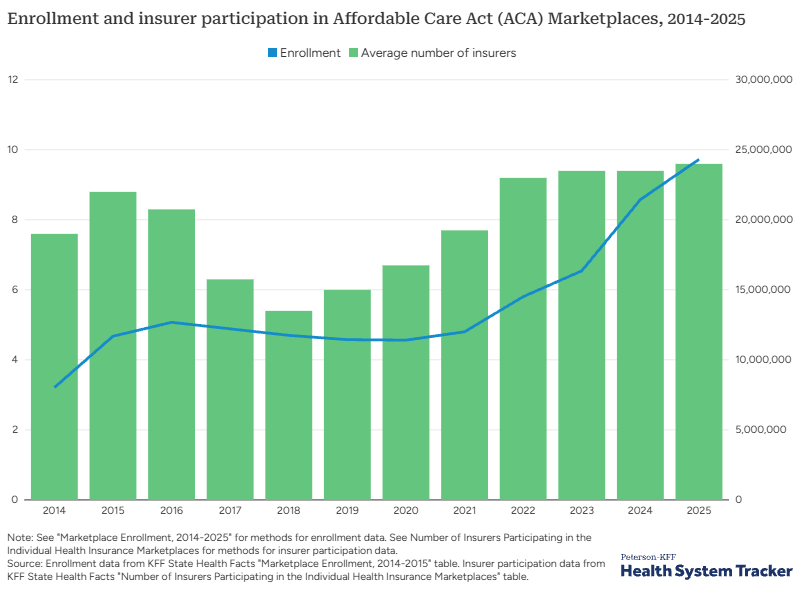
A decade of dramatic change is reshaping America’s health insurance markets. Employer group plans are becoming increasingly dominated by a few powerful insurers, while the ACA individual marketplace is experiencing record‑breaking competition and enrollment. Self‑funded plans are surging, small‑group premiums are driving employers to new coverage models, and major policy shifts in 2025 could redefine affordability for millions. This data‑driven Peterson‑KFF analysis breaks down the trends every insurance, finance, and business professional needs to understand as the industry enters a transformative new era.
Sarasota County is inching closer to approving Winchester Ranch, a massive 8,999‑home community planned for more than 3,100 acres in North Port. With a 7‑1 vote from the Planning Commission and a final decision expected in early 2026, the project could become one of Southwest Florida’s largest developments in decades—bringing new housing, commercial space, and industry while raising fresh questions about growth, the environment, and the region’s rapidly evolving real estate market.
Lument Finance Trust has closed a major $663.8 million commercial real estate CLO, marking one of the standout CRE finance deals of 2025. The transaction, LMNT 2025-FL3, features a strong reinvestment period, non‑recourse and non‑mark‑to‑market financing, and a diversified pool of 32 loans tied to 49 properties nationwide. With J.P. Morgan leading the structuring and more than $585 million placed in investment‑grade securities, the deal highlights renewed stability in transitional CRE debt—making it a development real estate and finance professionals will want to watch closely.
Walmart has partnered with Alquist 3D to roll out the nation’s first large‑scale wave of 3D‑printed commercial buildings, signaling a major shift in how future retail and industrial spaces will be constructed. After completing an 8,000‑square‑foot 3D‑printed expansion in Tennessee—the largest of its kind—the company is moving forward with over a dozen new projects nationwide, accelerating a tech‑driven transformation in commercial real estate.
Citizens Property Insurance Corp. is recommending statewide rate reductions for 2026—the first proposed decrease in more than a decade. Most Citizens policyholders could see an average 11.5% drop, reflecting recent insurance‑market reforms that have stabilized Florida’s turbulent property sector. With hundreds of thousands of policies moving back to private insurers and state‑backed Citizens shrinking to record‑low enrollment, real estate and insurance professionals should prepare for how lower premiums may influence affordability, buyer confidence, and market activity heading into 2026.