Zoning Reforms to Mitigate America’s Affordable Housing Crisis
The affordable housing crisis in the United States has reached a critical point, prompting cities to consider zoning reforms as a potential solution. As outlined in a recent article from Urban Land Magazine, outdated zoning laws have significantly contributed to housing shortages by favoring low-density, single-family homes. Reforming these laws could act as a catalyst for increasing housing supply.
According to M. Nolan Gray, a Los Angeles-based city planner and author of Arbitrary Lines: How Zoning Broke the American City and How to Fix It, the severity of the crisis has made it a top priority for politicians. Gray notes that numerous cities have already scrapped exclusionary single-family home zoning and parking requirements, a move that was previously unimaginable.
David Garcia, policy director for the Terner Center for Housing Innovation at the University of California, Berkeley, emphasizes that many jurisdictions are hesitant to embrace zoning reform due to potential backlash. However, the concept of allowing multiple units on single-family parcels is gaining traction.
While many cities have recently initiated zoning changes, their impacts are just beginning to materialize. Toccarra Nicole Thomas, director of land use and development at Smart Growth America, argues that zoning reform must be comprehensive to effectively address the affordable housing shortage. Piecemeal reforms, such as allowing accessory dwelling units (ADUs) or “missing middle” housing, may be easier to achieve but are unlikely to be as effective.
Challenges and Options
Zoning reform is not without its challenges. Political hurdles, including NIMBYism and bureaucratic barriers, are significant obstacles. Reform options include allowing ‘by right’ buildings to streamline permitting, focusing on revitalizing commercial corridors, and reducing parking minimums.
For instance, Oakland, California, revitalized its Auto Row, a languishing neighborhood, by adding about 1,000 housing units through comprehensive planning. This success story illustrates the potential of zoning reform to increase housing supply.
Rezone to encourage missing middle housing: This approach allows for greater density without altering a community’s character.
Repurpose underused land: Former industrial areas, like D.C.’s Navy Yard, have been successfully rezoned for mixed uses, including residential.
Reduce parking minimums: Reducing these requirements can lower developer costs and increase density.
Streamline the permitting process: Making the process more predictable and financially feasible can significantly impact affordable housing projects.
Gray warns that poorly executed zoning reform could erode public trust. A balanced approach, involving both zoning reform and subsidies, is essential to address the crisis effectively.
Developers play a crucial role in this process. Engaging with community and city leaders early on can build trust and streamline reform efforts. As Garcia suggests, developers should present data demonstrating how new housing can enhance existing property values.
Getting licensed or staying ahead in your career can be a journey—but it doesn’t have to be overwhelming. Grab your favorite coffee or tea, take a moment to relax, and browse through our articles. Whether you’re just starting out or renewing your expertise, we’ve got tips, insights, and advice to keep you moving forward. Here’s to your success—one sip and one step at a time!
After nearly 20 years under uniquely harsh lending rules, Florida may finally see its condo market freed from a 25% down payment requirement imposed only on the state. Industry leaders say Fannie Mae could announce changes as early as December—potentially restoring the standard 10% down payment used everywhere else in the country. Experts believe the shift would boost maintenance funding, improve affordability, and stabilize Florida’s condo market after years of strain.
Phoenix’s commercial real estate market is shaking off years of uncertainty as broker optimism hits its highest level since interest rates began climbing. The latest ASU Commercial Broker Sentiment Index soared to 62.7, signaling strong confidence across multifamily, retail, office, and capital markets. With population growth accelerating, interest rates easing, and AI boosting industry efficiency, Phoenix is positioning itself for a powerful run into 2026—offering meaningful opportunities for both new and seasoned real estate professionals.
Michigan’s House Rules Committee heard testimony on a proposal that would let licensed professionals complete all required continuing education online. Supporters say the change would modernize outdated rules, reduce costs, and improve access for rural and busy workers. The state licensing department backs the measure, and lawmakers noted it could reshape CE options across industries from real estate to insurance and healthcare.
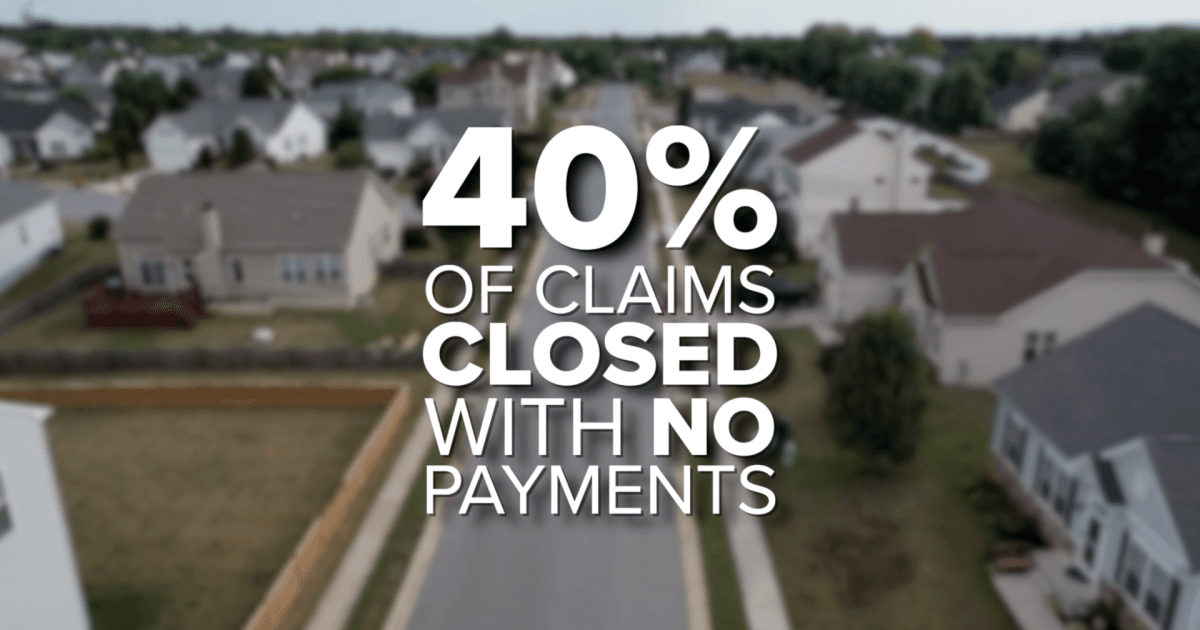
Florida homeowners are now paying an average of $5,838 per year for insurance — nearly $3,000 above the national average — making it one of the most expensive states in the country. As premiums continue to triple for some residents, many are being forced into tough decisions, from delaying home improvements to dropping coverage altogether. With more than 40% of claims closed with no payment and lawmakers pushing for aggressive reforms, the crisis is reshaping Florida’s housing market and placing growing pressure on real estate, mortgage, and insurance professionals statewide.
Griffin Funding has elevated John Jones to Senior Vice President of Growth and EOS Integrator, marking a major step in the company’s long-term expansion strategy. Already a key operational leader since April 2025, Jones will now drive performance optimization, market expansion, and leadership development as the lender pursues an ambitious goal of reaching $3 billion in annual non-QM loan volume by 2030. His promotion underscores Griffin Funding’s commitment to scaling strategically while strengthening its position in the fast-growing non-QM space.
Despite recent Federal Reserve rate cuts, commercial real estate remains frozen. Long‑term Treasury yields continue to climb, keeping borrowing costs high and preventing the relief investors expected. With nearly $1 trillion in commercial loans coming due, refinancing at today’s elevated rates is squeezing owners, slowing transactions, and creating a widening gap between buyers and sellers. For patient, well‑capitalized investors, this period of recalibration may offer some of the strongest opportunities in years.