Zoning Reforms to Mitigate America’s Affordable Housing Crisis
The affordable housing crisis in the United States has reached a critical point, prompting cities to consider zoning reforms as a potential solution. As outlined in a recent article from Urban Land Magazine, outdated zoning laws have significantly contributed to housing shortages by favoring low-density, single-family homes. Reforming these laws could act as a catalyst for increasing housing supply.
According to M. Nolan Gray, a Los Angeles-based city planner and author of Arbitrary Lines: How Zoning Broke the American City and How to Fix It, the severity of the crisis has made it a top priority for politicians. Gray notes that numerous cities have already scrapped exclusionary single-family home zoning and parking requirements, a move that was previously unimaginable.
David Garcia, policy director for the Terner Center for Housing Innovation at the University of California, Berkeley, emphasizes that many jurisdictions are hesitant to embrace zoning reform due to potential backlash. However, the concept of allowing multiple units on single-family parcels is gaining traction.
While many cities have recently initiated zoning changes, their impacts are just beginning to materialize. Toccarra Nicole Thomas, director of land use and development at Smart Growth America, argues that zoning reform must be comprehensive to effectively address the affordable housing shortage. Piecemeal reforms, such as allowing accessory dwelling units (ADUs) or “missing middle” housing, may be easier to achieve but are unlikely to be as effective.
Challenges and Options
Zoning reform is not without its challenges. Political hurdles, including NIMBYism and bureaucratic barriers, are significant obstacles. Reform options include allowing ‘by right’ buildings to streamline permitting, focusing on revitalizing commercial corridors, and reducing parking minimums.
For instance, Oakland, California, revitalized its Auto Row, a languishing neighborhood, by adding about 1,000 housing units through comprehensive planning. This success story illustrates the potential of zoning reform to increase housing supply.
Rezone to encourage missing middle housing: This approach allows for greater density without altering a community’s character.
Repurpose underused land: Former industrial areas, like D.C.’s Navy Yard, have been successfully rezoned for mixed uses, including residential.
Reduce parking minimums: Reducing these requirements can lower developer costs and increase density.
Streamline the permitting process: Making the process more predictable and financially feasible can significantly impact affordable housing projects.
Gray warns that poorly executed zoning reform could erode public trust. A balanced approach, involving both zoning reform and subsidies, is essential to address the crisis effectively.
Developers play a crucial role in this process. Engaging with community and city leaders early on can build trust and streamline reform efforts. As Garcia suggests, developers should present data demonstrating how new housing can enhance existing property values.
Getting licensed or staying ahead in your career can be a journey—but it doesn’t have to be overwhelming. Grab your favorite coffee or tea, take a moment to relax, and browse through our articles. Whether you’re just starting out or renewing your expertise, we’ve got tips, insights, and advice to keep you moving forward. Here’s to your success—one sip and one step at a time!
Skyrocketing insurance premiums and soaring rebuilding costs are transforming communities across Southwest Florida, especially in the wake of Hurricane Ian. As longtime residents struggle to keep up with rising financial pressure, wealthier newcomers and stricter building standards are reshaping the identity of places like Fort Myers Beach. With insurance rates now driving home sales, triggering potential foreclosures, and squeezing both owners and renters, Florida’s middle-class families face a growing question: can they afford to stay in the state they love?
Florida’s insurance industry is stabilizing fast, with nearly 1.6 million policies shifting from Citizens to private insurers and litigation dropping sharply. Regulators report stronger market confidence, decreasing premiums, and renewed competition—signaling one of the healthiest periods the state has seen in years.
A Leon County judge has ordered the restart of arbitration for Citizens Property Insurance claims, directly conflicting with a previous ruling that halted the process as potentially unconstitutional. With more than 400 cases now back in motion, real estate, insurance, and mortgage professionals can expect renewed activity in claim disputes and fresh uncertainty as Florida courts clash over the legality of Citizens’ arbitration system.
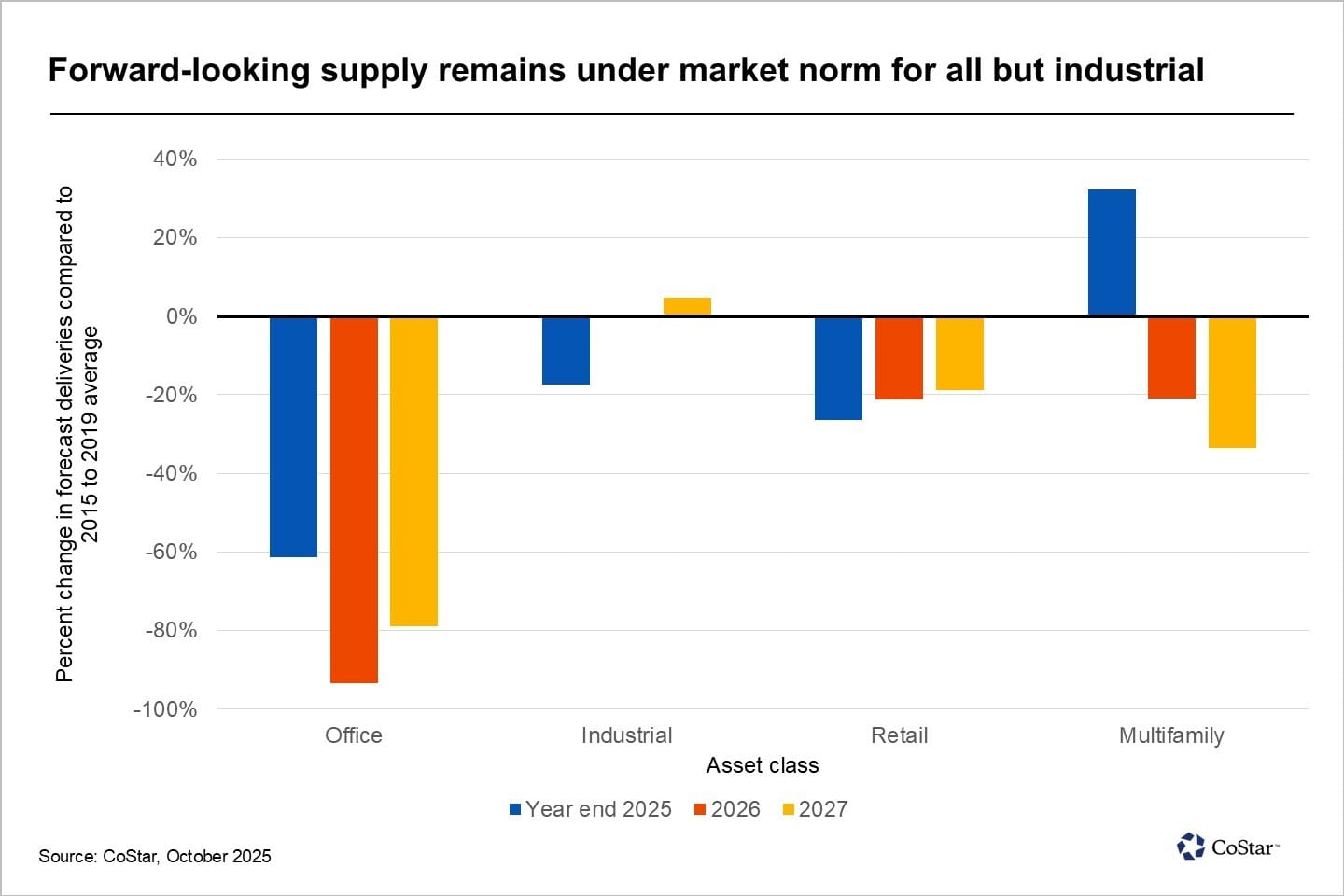
The DFW market is transitioning into a new construction phase marked by a slowdown in office development, a more selective approach to industrial projects, and an evolving housing landscape shaped by affordability and population growth. Developers are recalibrating their priorities, and for real estate professionals, understanding these shifts offers a critical edge in navigating—and capitalizing on—the next phase of the metroplex’s growth.
A new federal lawsuit claims Zillow pushed homebuyers toward Zillow Home Loans by rewarding affiliated agents with valuable leads — all without proper disclosure. The suit alleges undisclosed incentives, referral quotas, and potential RESPA violations, raising major concerns about steering, fiduciary duties, and Zillow’s expanding mortgage ambitions.
The mortgage industry is evolving fast, and the lenders who come out on top will be those who innovate without uprooting what already works. By building on strong technology foundations, streamlining workflows and adopting smart automation, lenders can reduce costs, improve customer experience and stay resilient in any market cycle. This article breaks down why innovation matters now, how a stable tech ecosystem protects lenders in volatile conditions and why small, strategic steps can drive long-term transformation.