In the ever-evolving landscape of real estate, buying an income property can be a daunting yet rewarding venture for first-time investors. As highlighted in a comprehensive article from Investopedia, navigating the complex world of real estate requires a keen eye for detail and thorough research. Here are the 10 crucial factors to consider when embarking on this investment journey.

1. Neighborhood

The character of a neighborhood plays a pivotal role in determining the type of tenants you attract and the vacancy rates you might face. For instance, properties near universities often draw student tenants, which could lead to seasonal vacancies during academic breaks.

2. Property Taxes

Property taxes can significantly impact your net income. While high taxes might be acceptable in lucrative areas, they should be weighed against the neighborhood’s prospects.

3. Schools

For family-sized rental properties, the quality of local schools is paramount. Good schools can enhance property value, while a lack of quality education facilities might detract from it.

4. Crime Levels

Ensuring your property is located in a safe area is critical. Accurate crime statistics are essential to maintaining the property’s appeal to potential tenants.

5. Job Market

Locations with growing employment opportunities are attractive to potential tenants. An announcement of a major company moving into the area often signals a robust rental market.

6. Amenities

Proximity to parks, restaurants, gyms, and public transport can significantly enhance the appeal of your property to prospective tenants.

7. Future Development

Investigating municipal plans for area development is crucial. New construction can affect property values, either positively or negatively.

8. Listings and Vacancies

A high number of listings and vacancies might indicate a declining area, which could force landlords to lower rents.

9. Average Rents

Ensure the property can generate sufficient income to cover expenses such as mortgage and taxes by researching average rents in the area.

10. Natural Disasters

Consider insurance costs, especially in areas prone to natural disasters like floods or earthquakes, as they can significantly eat into profits.

Buying an Income Property: A Step-by-Step Guide

Begin your search independently to avoid pressure from agents and focus on critical property characteristics. Decide whether you’ll manage the property yourself or hire a manager to free yourself from proximity constraints. Speak with locals, including renters, for genuine neighborhood insights. Single-family homes or condos typically represent good starting investment properties due to lower maintenance and steadier rental income.

Project cash flow by checking both purchase price trends and future rent potential after renovations. Ensure financial feasibility by calculating if rental income exceeds mortgage, taxes, and other costs. Secure adequate landlord insurance and anticipate higher lending standards for investment property mortgages.

In conclusion, investing in real estate is not for the faint-hearted. It requires careful research to identify properties that align with your financial aspirations and management capacity. Each property is unique, and maintaining a clear eye on both present opportunities and future market conditions is essential for a successful investment journey.

More Articles

Getting licensed or staying ahead in your career can be a journey—but it doesn’t have to be overwhelming. Grab your favorite coffee or tea, take a moment to relax, and browse through our articles. Whether you’re just starting out or renewing your expertise, we’ve got tips, insights, and advice to keep you moving forward. Here’s to your success—one sip and one step at a time!

Artificial Intelligence in Diagnostics: A Revolution in Healthcare

The global market for artificial intelligence in diagnostics is poised for remarkable growth, with projections estimating it to reach USD 7.3 billion by 2032.

By |December 10, 2024|Categories: Article, Artificial Intelligence, Healthcare|Tags: , |0 Comments

Revolutionizing Medical Education with Extended Reality

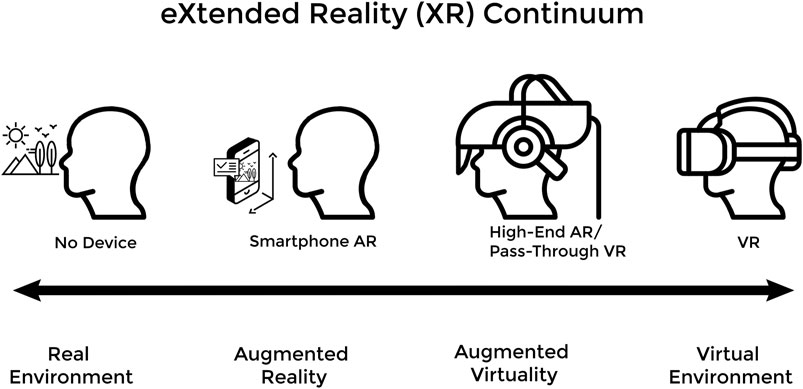
In the ever-evolving landscape of medical education, a new player has emerged, promising to revolutionize the way future doctors are trained. The integration of eXtended Reality (XR) technologies is reshaping the educational landscape by addressing the limitations of traditional methods.

Genetic Testing: A New Dawn in Healthcare

Genetic testing represents more than just a scientific advancement; it signifies a fundamental shift in how we approach health and wellness.

Sustainable Architecture: Blending Innovation with Ecological Responsibility

The journey toward sustainable architecture is ongoing, with each project serving as a beacon of what's achievable when creativity meets ecological awareness.

By |December 9, 2024|Categories: Architecture, Article, Sustainability|Tags: |0 Comments

AI in Clinical and Molecular Diagnostics: A Market on the Rise

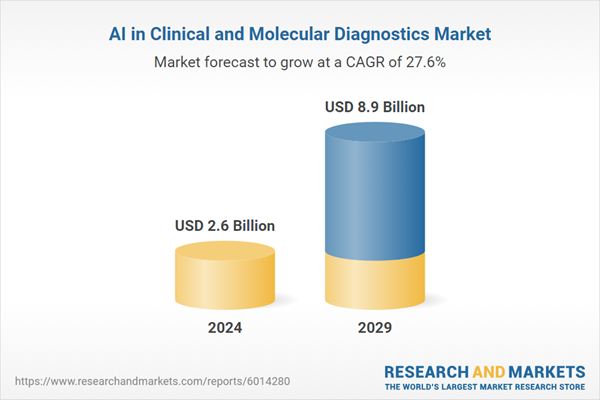
AI in Clinical and Molecular Diagnostics Market is set to experience remarkable growth, projected to surge from USD 2.6 billion in 2024 to USD 8.9 billion by 2029. This growth is driven by the integration of advanced AI technologies such as machine learning and deep learning into traditional diagnostic methodologies like imaging, genomics, and laboratory testing.

AI: A Revolution in Healthcare’s Future

AI is not a distant dream but a present reality, already integrated into everyday life through virtual assistants like Alexa and Siri. AI shows promise in enhancing medical accuracy, such as in predicting mesothelioma survival and improving colonoscopy accuracy, it is not intended to replace healthcare professionals.