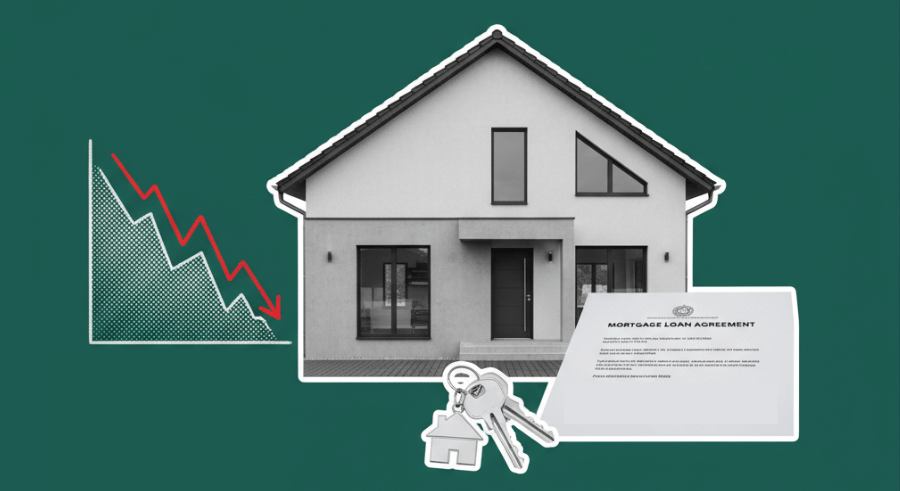
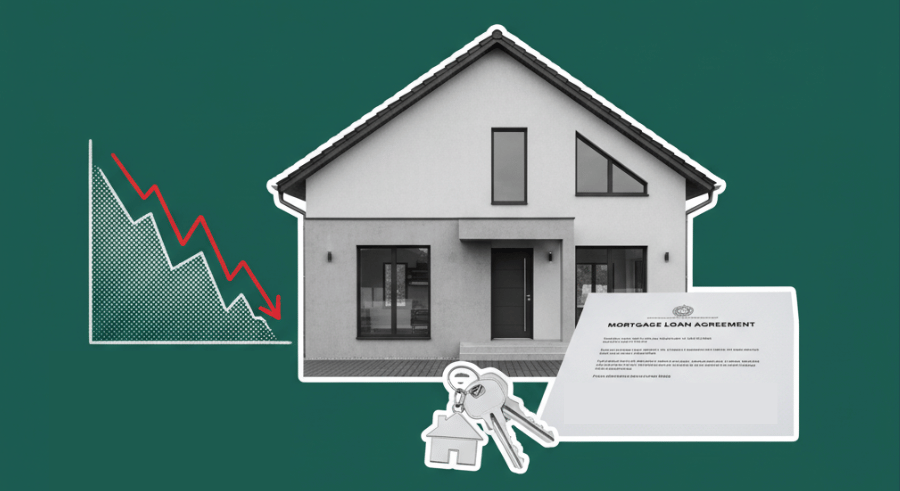
As we gaze into the crystal ball of the housing market, the year 2034 gleams with the promise of transformative change. According to a recent exploration by Norada Real Estate Investments, the next decade will be defined by technological innovation, demographic shifts, and evolving economic factors.

Demographic Shifts and Housing Demand

The US Census Bureau projects that by 2030, all baby boomers will be over 65, representing a significant 21% of the population. This aging demographic will drive demand for age-friendly housing with features like single-story layouts and wider doorways. Meanwhile, millennials and Gen Z will continue to influence market trends with their preference for urban living and sustainability.

Technological Advancements in Real Estate

The rapid pace of technological innovation is poised to revolutionize the housing market. Virtual and augmented reality will make house hunting a predominantly digital experience, while AI and machine learning will transform property valuation and mortgage approvals. The integration of smart home technology promises enhanced energy efficiency and security, making IoT devices a standard feature in homes.

Climate Change and Sustainable Housing

As climate change concerns intensify, there will be a greater emphasis on sustainability and resilience. Homes with high energy efficiency ratings and resilient construction will see increased demand, especially in areas prone to natural disasters. Urban planning will prioritize mixed-use developments and transit-oriented communities to reduce carbon footprints.

Evolving Work Patterns

The shift towards remote work, accelerated by the COVID-19 pandemic, is likely to have lasting effects on the housing market. Homes may increasingly feature dedicated office spaces, while suburban and rural areas could see a revival as workers seek larger homes away from urban centers.

Economic Factors and Housing Affordability

Housing affordability remains a critical issue. The trajectory of interest rates and income inequality will significantly impact the market. Government policies and alternative financing models, such as rent-to-own schemes, may offer solutions to affordability concerns.

The Rise of Build-to-Rent and Institutional Investors

The rental market is set to evolve, with build-to-rent communities and institutional investors playing pivotal roles. The future of platforms like Airbnb also hangs in the balance, with potential for increased regulation.

Urban Development and Regional Shifts

Cities will undergo significant changes, focusing on densification and adaptive reuse of commercial spaces. The concept of 15-minute cities, which emphasizes walkability and access to essential services, is likely to gain traction.

As we look ahead, the housing market in 2034 presents both challenges and opportunities. From leveraging technology for sustainable housing solutions to developing innovative financing models, the coming decade promises significant change and opportunity in American real estate.

Final Thoughts The housing landscape of 2034 will be more diverse, technologically advanced, and responsive to the needs of an evolving population. As we navigate these changes, adaptability and forward-thinking will be essential for homeowners, investors, and industry professionals alike.


ALSO READ:

More Articles

Getting licensed or staying ahead in your career can be a journey—but it doesn’t have to be overwhelming. Grab your favorite coffee or tea, take a moment to relax, and browse through our articles. Whether you’re just starting out or renewing your expertise, we’ve got tips, insights, and advice to keep you moving forward. Here’s to your success—one sip and one step at a time!

The Tokenization Tsunami: Why Digital Assets Are Reshaping Wall Street, Washington, and Your Professional Future

Tokenization has surged from crypto niche to global financial disruptor as institutions like Robinhood, BlackRock, and Coinbase race to digitize real-world assets. With pro‑crypto political momentum, shifting regulations, and private companies resisting newfound transparency, this emerging wave is transforming how investments are bought, sold, and accessed. For professionals in real estate, finance, lending, and insurance, this shift signals massive opportunity—and equally massive responsibility—as the next era of asset ownership takes shape.

Florida’s 2026 Insurance Shake‑Up: Citizens Approves Major Statewide Rate Cuts

Florida homeowners are finally getting relief as Citizens Property Insurance announces an average 8.7% statewide rate reduction for 2026, with South Florida seeing cuts as high as 14%. Driven by recent tort reforms and a stabilizing market, these decreases signal a major turnaround for an industry once on the brink of collapse — and a potential boost for real estate activity across the state.

The 2026 Housing Market Finally Returns to “Normal” as Inventory Stabilizes and Demand Takes the Lead

After years of roller‑coaster chaos, the 2026 U.S. housing market is easing into something professionals haven’t seen in a long time: balance. Inventory growth has slowed to just 10% year over year—down sharply from 2025’s surge—signaling the end of the pandemic‑era scarcity and the rise of a market driven by real‑time demand and interest rates. With seasonal patterns returning, negotiations replacing bidding wars and rates drifting toward 6%, agents, lenders and investors are finally navigating conditions that look… normal.

Gen Z Is Skipping Wall Street Advice and Turning to #RichTok for Financial Independence

More than half of Gen Z investors say they entered the stock market because of social media—not textbooks, not advisors. Viral creators, AI tools, and crypto trends are reshaping how young adults learn about money, invest early, and chase financial freedom. This Fortune‑featured shift highlights a generation determined to build wealth fast, trust digital voices over traditional institutions, and redefine financial education for the future.

The U.S. Housing Market Is Finally Normalizing in 2026 — What Today’s Professionals Need to Know

After years of extremes, the U.S. housing market is shifting into a more balanced, predictable phase. Inventory growth has cooled from last year’s surge, seasonality is returning, and pricing is becoming increasingly rate‑sensitive. With mortgage rates hovering near 6% and policy changes reshaping investor participation, 2026 is emerging as a negotiation‑driven market where skilled agents, lenders, builders, and investors have a renewed advantage. This new landscape rewards strategy, education, and real‑time demand awareness—making it an ideal moment for professionals to refine their approach and capitalize on the market’s normalization.

Mortgage Rates Could Drop Faster Than Expected in 2026, Thanks to New MBS Policy

A sudden policy shift at the start of 2026 is already pushing mortgage rates lower, dipping them under 6% for the first time in months. New projections suggest the government-sponsored enterprises’ $200 billion in mortgage‑backed securities purchases could accelerate rate declines throughout the year, boosting affordability, home sales, and overall market activity for buyers, sellers, and real estate professionals alike.