2026: The Year Housing Takes Center Stage in America
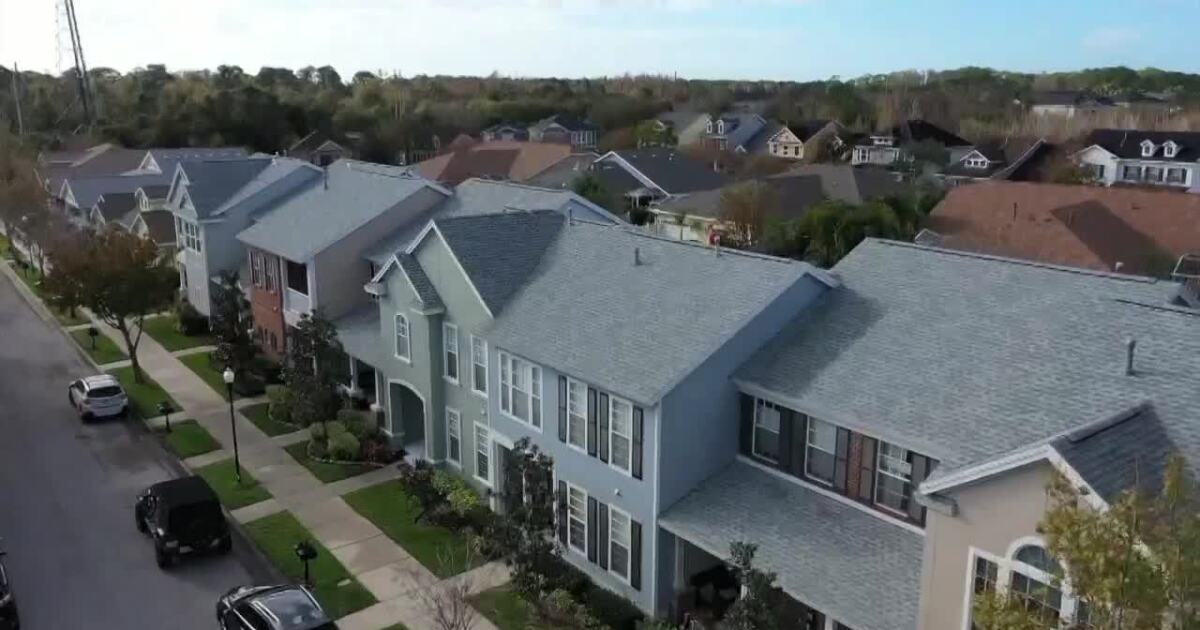
As the nation steps into 2026, one theme is dominating political agendas, market forecasts, and professional chatter across real estate, mortgage, insurance, finance, and beyond: housing. From affordability to supply, from federal reforms to local zoning battles, America’s housing landscape is facing its most pivotal moment in decades.
A Spotlight Sourced from Slow Boring
This article draws inspiration from an insightful feature by Slow Boring, available at
this link. Their reporting highlighted a surge of housing-focused energy sweeping federal leadership, big‑city mayors, and market influencers alike.
A Federal Push—With Limited Details
President Donald Trump announced that 2026 will bring “some of the most aggressive housing reform plans in American history,” though specifics remain closely guarded. According to the administration, affordability is a key priority, reinforced by commentary from officials speaking with outlets like CNN and Fox Business. Analysts emphasize that while presidential influence is significant, supply and pricing mechanics are complex forces of their own.
Federal agencies, meanwhile, are moving forward. The Senate confirmed Joseph Gormley as president of Ginnie Mae and Frank Cassidy as the new housing commissioner—two roles central to affordable housing finance. The Treasury Department also expanded New Markets Tax Credit investments into rural communities, signaling a stronger push toward revitalization and targeted housing outcomes.
A Looming Threat: Section 8 Funding Uncertainty
Congress faces a January 30 funding deadline that could jeopardize housing vouchers for nearly 400,000 households. Coupled with proposed HUD rule changes involving work requirements and time limits, many renters could face sudden instability. Professionals working with low‑income renters—especially real estate agents and property managers—should stay alert as these developments unfold.
Cities Mobilize: New Mayors, New Agendas
While Washington debates budgets and policy frameworks, city leaders nationwide are taking swift action. From Atlanta to Seattle, newly sworn‑in mayors are prioritizing affordability, zoning reform, and expanded housing access. In New York City, Mayor Zohran Mamdani is already pressing forward with rapid housing-centered initiatives as his administration takes shape.
What This Means for Real Estate & Licensed Professionals
For real estate agents, mortgage brokers, appraisers, insurance specialists, and anyone tied to the housing ecosystem, 2026 is shaping up to be a year of shifting policy and emerging opportunity. Markets may adjust. Regulations may tighten or expand. New programs may introduce fresh career paths.
This makes now an ideal moment to strengthen credentials, expand your skill set, or add a new license to your professional portfolio.
A Note for Students and Professionals
At Cameron Academy, we’ve seen firsthand how policy shifts and market evolutions create both challenges and opportunities. Whether you’re entering real estate in Florida, expanding into mortgage or insurance, or branching into another licensed industry across the country, education and preparedness will be essential advantages throughout 2026’s housing transformation.
Stay tuned. If 2025 hinted at transformation, 2026 is ready to deliver it—front and center.
More Articles
Getting licensed or staying ahead in your career can be a journey—but it doesn’t have to be overwhelming. Grab your favorite coffee or tea, take a moment to relax, and browse through our articles. Whether you’re just starting out or renewing your expertise, we’ve got tips, insights, and advice to keep you moving forward. Here’s to your success—one sip and one step at a time!
Redfin forecasts a slow but meaningful return to normalcy in the U.S. housing market starting in 2026. Instead of a crash or a rapid correction, the year marks the beginning of a “Great Housing Reset” where affordability gradually improves, mortgage rates ease into the low‑6% range, home sales tick upward, and renters, buyers, and professionals finally feel less market pressure. From wage growth outpacing home prices to rising refi activity and the rise of AI‑powered real estate tools, 2026 is shaping up to be a foundational year for real estate careers and long‑term market stability.
Hurricane Melissa’s destruction in Jamaica highlights a growing global reality: climate risks are accelerating faster than insurance adoption. With more than 90% of disaster losses in developing regions going uninsured and a worldwide protection gap exceeding $1.8 trillion annually, experts warn that traditional insurance systems can no longer keep up. New models—like parametric payouts, community‑based aggregation and bundled climate tools—are emerging, but governments and corporations must step in to prevent financial shocks from destabilizing entire economies.
Gravis Robotics, a Zurich-based startup, just raised $23 million to bring autonomous tech to construction sites facing a massive operator shortage. As demand surges for renewable energy projects, data centers, and new housing, Gravis retrofits traditional heavy machinery with AI-driven systems that can work autonomously or via remote guidance. With trials already underway across seven countries, the company is pushing a future where humans and robots collaborate — speeding up development timelines and reshaping industries from construction to real estate.
Zillow has quietly removed its climate‑risk scores after months of pressure from agents, homeowners, and listing services who said the warnings were scaring off buyers. The move has sparked a national debate: Is this a win for real estate sales or a setback for consumer transparency? Critics warn that without clear climate‑risk data, families could be “flying blind” into costly surprises like insurance spikes and flood damage. As climate impacts intensify and disclosure expectations rise, real estate professionals must stay informed—because whether Zillow shows the data or not, the risks aren’t going anywhere.
Florida’s property insurance crisis is becoming the defining issue heading into the 2026 election season. Republicans argue that recent reforms are finally stabilizing the market, pointing to reduced litigation and cooling reinsurance costs. Democrats counter that families are still facing unbearable premiums, with condo prices dropping over 8% and Floridians paying some of the highest insurance rates in the nation. As lawmakers prepare to return to Tallahassee, the future of insurance reform is set to become the central political fight—one that will directly impact homeowners, investors, and real estate professionals across the state.
Connectivity has become one of the most powerful differentiators in today’s real estate market. As smart buildings, automation, and sustainability demands accelerate, fiber networks are replacing outdated copper systems and reshaping property value. With lower energy use, unified smart‑building capabilities, reduced long‑term costs, and stronger tenant satisfaction, digital infrastructure is now central to investment strategy. Real estate professionals who understand this shift gain a competitive edge as the industry moves toward cleaner, smarter, more connected buildings.