2026: The Year Housing Takes Center Stage in America
As the nation steps into 2026, one theme is dominating political agendas, market forecasts, and professional chatter across real estate, mortgage, insurance, finance, and beyond: housing. From affordability to supply, from federal reforms to local zoning battles, America’s housing landscape is facing its most pivotal moment in decades.
A Spotlight Sourced from Slow Boring
This article draws inspiration from an insightful feature by Slow Boring, available at
this link. Their reporting highlighted a surge of housing-focused energy sweeping federal leadership, big‑city mayors, and market influencers alike.
A Federal Push—With Limited Details
President Donald Trump announced that 2026 will bring “some of the most aggressive housing reform plans in American history,” though specifics remain closely guarded. According to the administration, affordability is a key priority, reinforced by commentary from officials speaking with outlets like CNN and Fox Business. Analysts emphasize that while presidential influence is significant, supply and pricing mechanics are complex forces of their own.
Federal agencies, meanwhile, are moving forward. The Senate confirmed Joseph Gormley as president of Ginnie Mae and Frank Cassidy as the new housing commissioner—two roles central to affordable housing finance. The Treasury Department also expanded New Markets Tax Credit investments into rural communities, signaling a stronger push toward revitalization and targeted housing outcomes.
A Looming Threat: Section 8 Funding Uncertainty
Congress faces a January 30 funding deadline that could jeopardize housing vouchers for nearly 400,000 households. Coupled with proposed HUD rule changes involving work requirements and time limits, many renters could face sudden instability. Professionals working with low‑income renters—especially real estate agents and property managers—should stay alert as these developments unfold.
Cities Mobilize: New Mayors, New Agendas
While Washington debates budgets and policy frameworks, city leaders nationwide are taking swift action. From Atlanta to Seattle, newly sworn‑in mayors are prioritizing affordability, zoning reform, and expanded housing access. In New York City, Mayor Zohran Mamdani is already pressing forward with rapid housing-centered initiatives as his administration takes shape.
What This Means for Real Estate & Licensed Professionals
For real estate agents, mortgage brokers, appraisers, insurance specialists, and anyone tied to the housing ecosystem, 2026 is shaping up to be a year of shifting policy and emerging opportunity. Markets may adjust. Regulations may tighten or expand. New programs may introduce fresh career paths.
This makes now an ideal moment to strengthen credentials, expand your skill set, or add a new license to your professional portfolio.
A Note for Students and Professionals
At Cameron Academy, we’ve seen firsthand how policy shifts and market evolutions create both challenges and opportunities. Whether you’re entering real estate in Florida, expanding into mortgage or insurance, or branching into another licensed industry across the country, education and preparedness will be essential advantages throughout 2026’s housing transformation.
Stay tuned. If 2025 hinted at transformation, 2026 is ready to deliver it—front and center.
More Articles
Getting licensed or staying ahead in your career can be a journey—but it doesn’t have to be overwhelming. Grab your favorite coffee or tea, take a moment to relax, and browse through our articles. Whether you’re just starting out or renewing your expertise, we’ve got tips, insights, and advice to keep you moving forward. Here’s to your success—one sip and one step at a time!
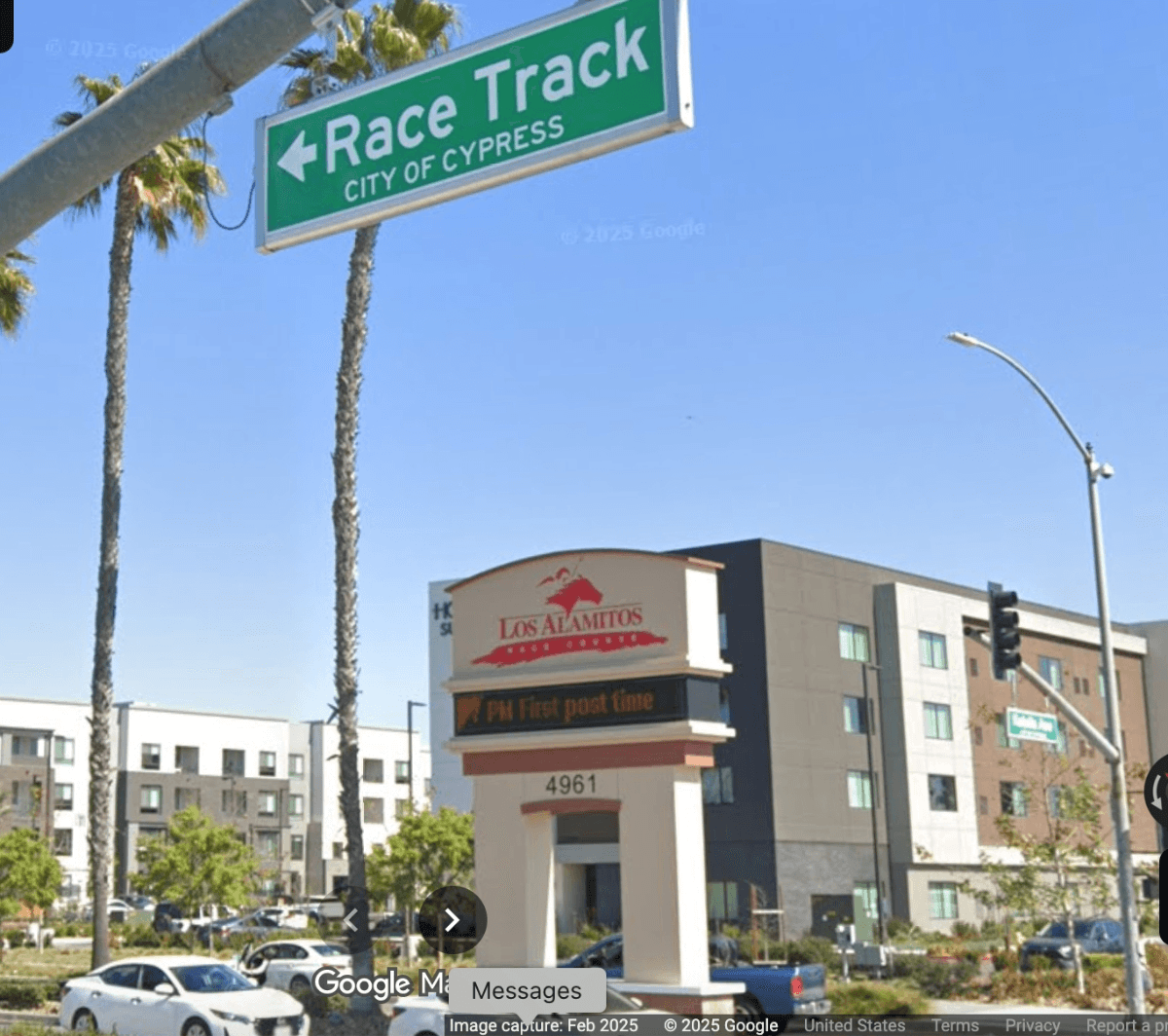
Los Alamitos Race Course is facing its most serious crisis in years after 18 horses died in 2025, prompting regulators to warn the track that its racing license is at risk without immediate safety reforms. Following three catastrophic injuries in a single day, the California Horse Racing Board has ordered urgent changes—including more veterinarians, stricter medication rules, and enhanced on‑track medical support—as pressure mounts for stronger oversight in a sport already under national scrutiny.
Canadian investors have poured more than US$5.8 billion into U.S. commercial real estate this year, making the U.S. their top destination even amid a lingering tariff dispute. Tight inventory in Canada and greater deal availability south of the border are driving the trend, with data centers and industrial properties emerging as the hottest targets for 2025.
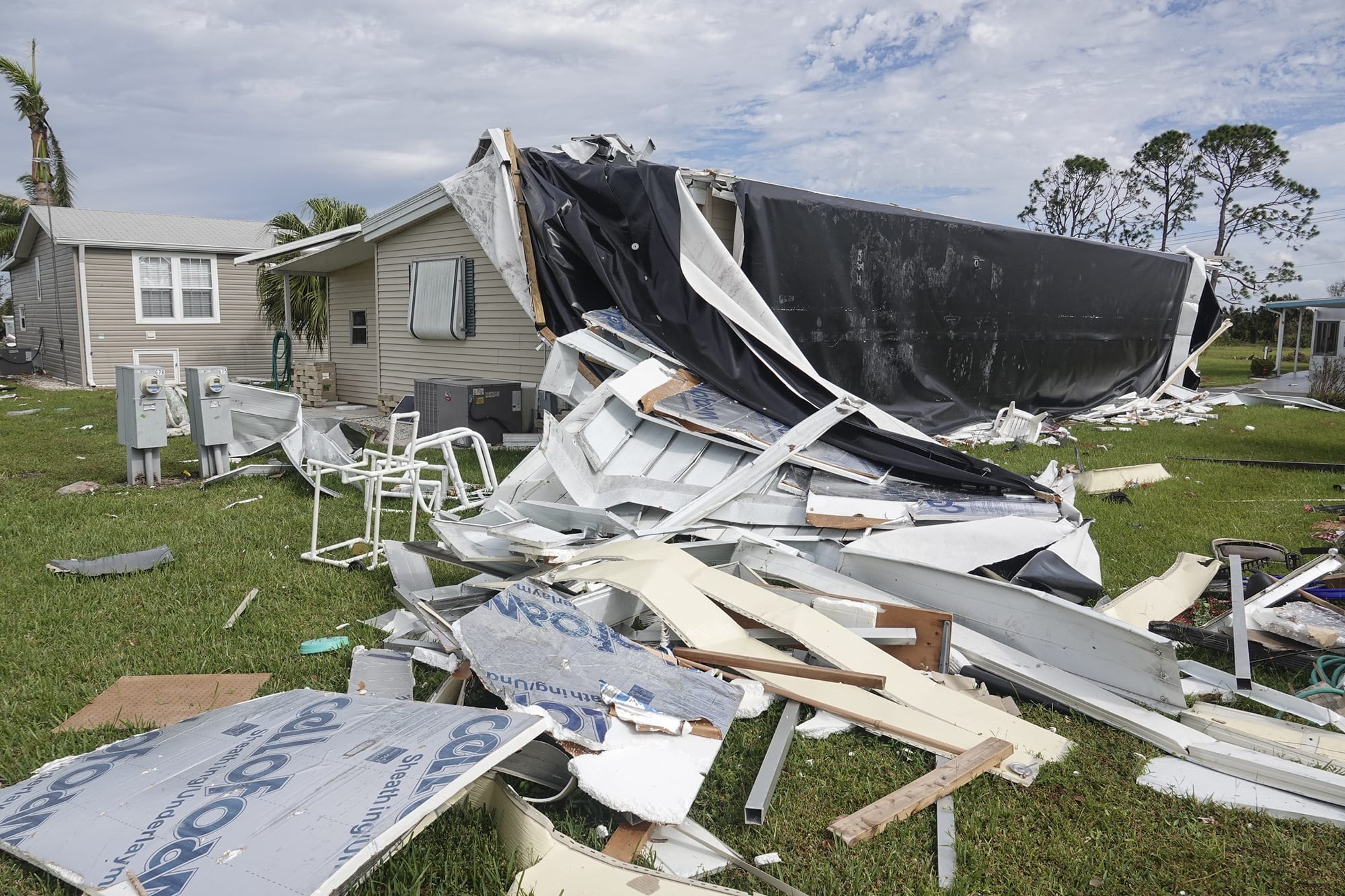
Florida’s insurance commissioner says even industry pros struggle to read today’s 150‑page homeowners policies—leaving residents shocked when hurricane claims are denied. With rising premiums, high replacement costs, and widespread confusion over exclusions like flood and water damage, the state is pushing for simpler, clearer policy language so homeowners know what they’re actually covered for before the next storm hits.
Following the 2025 elections, major metros like New York, Chicago, Miami, Los Angeles, and Boston are implementing policy shifts that could reshape property values, rental income, development timelines, and investment strategy heading into 2026. From New York’s push toward aggressive rent reform to Chicago’s sustainability mandates and Miami’s uncertain mayoral runoff, these changes signal a new era where local politics increasingly dictate market performance. This breakdown highlights the biggest post‑election real estate pivots and what they mean for investors, agents, and finance professionals preparing for a rapidly evolving landscape.
Florida’s Insurance Commissioner is sounding the alarm after thousands of homeowners discovered—only after hurricanes Helene and Milton—that the coverage they thought they had didn’t exist. With nearly 150,000 unpaid claims tied to misunderstood flood exclusions, water‑damage caps, and buried policy clauses, state leaders are pushing to simplify the dense, confusing documents most Floridians never read. As insurance costs remain one of the state’s top concerns, this growing complexity is creating a massive opportunity for real estate, mortgage, and insurance professionals to guide consumers before disaster strikes.
Florida’s insurance market is reliving an old crisis under a new name. Despite reforms meant to stabilize the system, homeowners are being forced out of Citizens and into pricier policies from small insurers with shaky financial histories. Companies tied to past insolvencies are returning with fresh branding, while highly rated carriers continue to deny a majority of claims. With political influence muddying regulation and climate risks rising, experts warn that only a full structural overhaul—not cosmetic reforms—can restore confidence for homeowners, agents, and the entire real estate market.