2026 Housing Market Outlook: Stability, Surprises, and the Real Costs Ahead

Homebuyer researching housing market on laptop

Thinking about buying a home in 2026? You’re not alone. Entering the modern housing landscape feels almost like planning a wedding — detailed prep, rising expenses, emotional waves, and ultimately, the start of a brand‑new chapter.

But as 2026 approaches, buyers, renters, and homeowners must look far beyond the moment of closing. Interest rates, taxes, insurance, pricing shifts, and new rental opportunities are reshaping the market in ways that matter now more than ever.

This full‑market breakdown is sourced from NerdWallet’s powerful 2026 housing forecast. Below, we’ve added deeper insight for Florida professionals and future licensees preparing to navigate the year ahead.

Mortgage Rates Stay Stable in 2026

Hoping for mortgage rates to return to the dreamy 3% era? Not likely — and honestly, that would signal economic trouble. Historically, ultra‑low rates pair with recession, not prosperity.

Instead, experts predict steady performance:

  • Fannie Mae: Rates sliding gently from 6.2% → 5.9% by late 2026.
  • Mortgage Bankers Association: Holding around 6.4% all year.

Tip for 2026: Don’t sit around waiting for miracle rates. If a home fits your budget and lifestyle, move confidently. Sellers should carefully weigh their low locked‑in rates against lifestyle upgrades they’ve been delaying.

Home Price Growth Slows — But Costs Keep Rising

Even with steady mortgage rates, affordability now hinges on home prices and the overlooked trio: taxes, insurance, and fees.

Market data paints a mixed picture:

  • Midwestern states like MI, WV, and OH continue seeing double‑digit growth.
  • Seven of the ten largest price declines in the nation happened in Florida.

But here’s the quiet storm: Escrow costs are exploding. Between 2020–2025:

  • National escrow costs rose 45%.
  • Florida soared 70% — one of the highest in the country.

The result? Prices dip, yet ownership becomes more expensive — pushing owners to sell while discouraging buyers.

Tip for 2026: Look far beyond the listing price. Compare tax histories, insurance ranges, and neighborhood risk factors. Well‑trained agents — especially those educated through Cameron Academy — know how to guide clients through these shifting affordability challenges.

Renting Becomes More Attractive

With ownership costs rising, renting is having a comeback moment:

  • 52% of renters now prefer renting over owning.
  • 36% say they plan to rent indefinitely.

Better yet, rental affordability is improving — median rents have fallen for over two years straight. New built‑to‑rent (BTR) communities across the Sun Belt give renters access to upscale, maintenance‑free living with tons of flexibility.

BTR communities often provide:

  • Single‑family homes
  • Luxury‑style amenities
  • Maintenance‑free convenience
  • Lifestyle flexibility

Tip for 2026: Renting can be a smart financial strategy. And remember — equity isn’t the only path to wealth. Smart financial planning goes far beyond owning property.

Home Equity Borrowing Won’t Surge

Homeowners still hold historic levels of tappable equity — averaging $204,000 at the end of 2025. Yet borrowing against that equity isn’t accelerating.

Why? Because equity growth is cooling. Homeowner equity even dipped 0.8% in Q2 2025.

Plus, motivations for equity borrowing are shifting:

  • Debt consolidation jumped from 25% → 39% (2022–2024).
  • Renovation purposes dropped from 65% → 46%.

Tip for 2026: Borrow against home equity with caution — your home is collateral. Growth isn’t the only value of equity. Stability and generational wealth are just as important.

Want to Thrive in a Changing Market?

If you’re entering the industry or advancing your professional skills, understanding 2026’s market dynamics is essential.

Cameron Academy provides flexible, career‑shaping education for real estate, mortgage, insurance, finance, medical, and more — across Florida and all 50 states.

Upgrade your skills. Advance your licensing. And stay ahead of the market wherever it moves next.


© Cameron Academy — Professional Education for a Modern Market

More Articles

Getting licensed or staying ahead in your career can be a journey—but it doesn’t have to be overwhelming. Grab your favorite coffee or tea, take a moment to relax, and browse through our articles. Whether you’re just starting out or renewing your expertise, we’ve got tips, insights, and advice to keep you moving forward. Here’s to your success—one sip and one step at a time!

Commercial Real Estate Slows Again as Investors Flock to Larger, Safer Deals

November marked another cooldown for commercial real estate, with total deal volume dropping 10% year over year and falling below even 2020’s levels. While overall activity is slowing, investors are concentrating their money on bigger, more resilient assets—driving a 51% surge in deals over $100 million and pushing average transaction sizes well above historical norms. Multifamily remains the strongest sector, office deals are becoming more strategically focused, and medical office and data centers continue to outperform as long‑term demand stays solid.

Lower Rates Could Spark a Commercial Real Estate Comeback in 2026

After years of stalled activity, commercial real estate may finally be nearing a rebound. Experts say that expected interest‑rate drops in 2026 could reignite investor confidence, unlock sidelined capital, and boost deal flow across multiple sectors. But the outlook isn’t uniformly sunny—multifamily faces oversupply, industrial is cooling after years of rapid growth, and weakening employment conditions may slow absorption. For professionals across real estate, mortgage, insurance, and finance, the shifting landscape presents both challenges and major opportunities for those who stay informed and properly licensed.

Consumer Reports Warns Congress About Rising Fintech Risks in 2026

Consumer Reports delivered a major warning to Congress, highlighting how rapidly expanding fintech tools—especially AI‑driven platforms—are outpacing consumer protections. In testimony before the House Subcommittee on Digital Assets, Financial Technology and AI, CR called for stronger, clearer rules to prevent hidden fees, predatory practices, and confusion within digital financial products. For professionals in real estate, mortgages, insurance, and finance, these emerging regulations may soon influence lending decisions, underwriting, credit evaluations, and compliance expectations across the industry.

Amazon’s Massive Corporate Shakeup Signals a New Era of AI‑Driven Workforce Transformation

Amazon is preparing to cut up to 30,000 corporate jobs by mid‑2026 as it pivots aggressively toward automation and AI. Following 14,000 layoffs in late 2025, the company is eliminating layers of management to redirect billions into robotics, generative AI systems, and supercomputing partnerships. While warehouse hiring continues for seasonal demand, Amazon’s internal shift reveals a broader nationwide trend: white‑collar roles across tech, finance, logistics, and more are being reshaped by automation at unprecedented speed.

Chuck Bonfiglio Steps In as 2026 Florida Realtors President, Signaling a Year of Big Industry Shifts

Florida’s real estate market enters 2026 with new leadership at the helm as Chuck Bonfiglio, broker-owner of AAA Realty Group, is officially installed as President of Florida Realtors. With more than 230,000 members behind the association, Bonfiglio highlights affordability, insurance reform, and taxes as key priorities while expressing optimism about easing mortgage rates, stabilizing prices, and growing inventory. Backed by years of statewide and national Realtor leadership, he aims to guide professionals through another transformative year alongside a newly appointed 2026 leadership team.

Tampa’s Real Estate Market Enters Its Selective Era

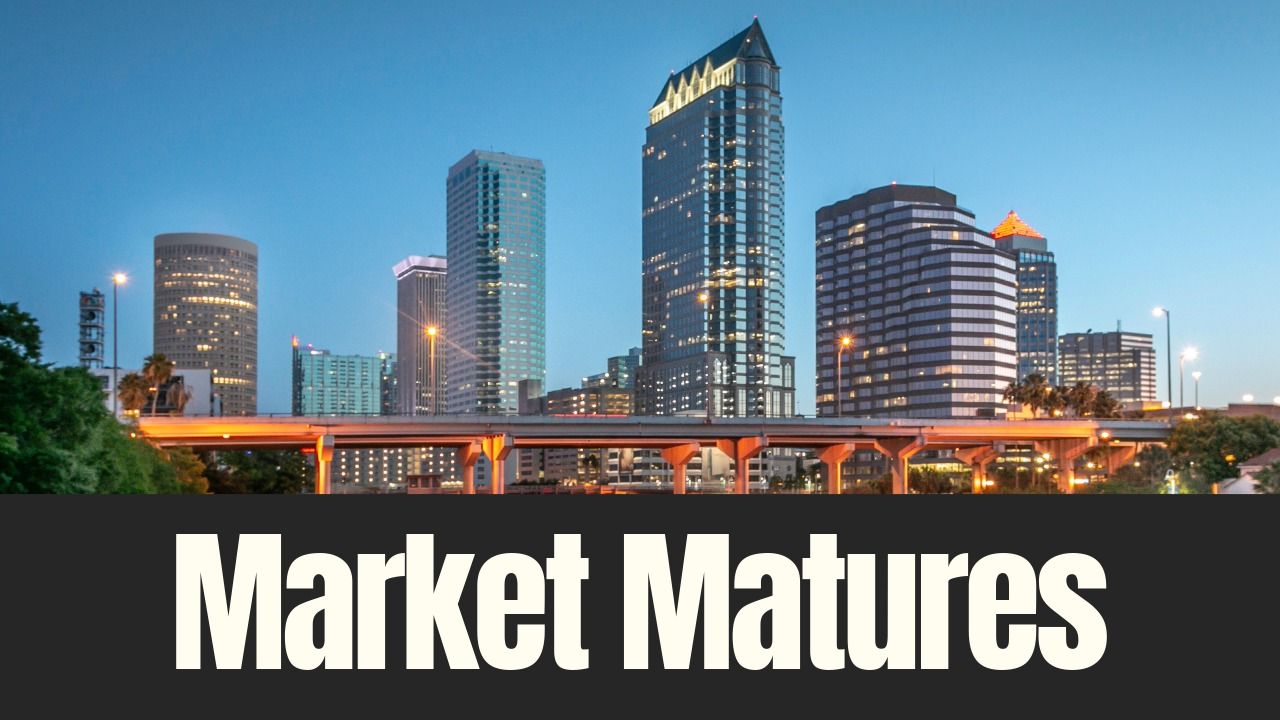
Tampa isn’t cooling off—it’s getting smarter. After years of rapid expansion, the city’s commercial real estate market has shifted into a more disciplined, selective phase. Population growth remains strong, office leasing is outperforming national trends, industrial activity is normalizing sustainably, and retail is seeing renewed investor confidence. With capital becoming more cautious and health care real estate emerging as a major growth sector, Tampa is entering a new era focused on strategy, execution, and long‑term fundamentals.