2026 Housing Market Outlook: Stability, Surprises, and the Real Costs Ahead

Homebuyer researching housing market on laptop

Thinking about buying a home in 2026? You’re not alone. Entering the modern housing landscape feels almost like planning a wedding — detailed prep, rising expenses, emotional waves, and ultimately, the start of a brand‑new chapter.

But as 2026 approaches, buyers, renters, and homeowners must look far beyond the moment of closing. Interest rates, taxes, insurance, pricing shifts, and new rental opportunities are reshaping the market in ways that matter now more than ever.

This full‑market breakdown is sourced from NerdWallet’s powerful 2026 housing forecast. Below, we’ve added deeper insight for Florida professionals and future licensees preparing to navigate the year ahead.

Mortgage Rates Stay Stable in 2026

Hoping for mortgage rates to return to the dreamy 3% era? Not likely — and honestly, that would signal economic trouble. Historically, ultra‑low rates pair with recession, not prosperity.

Instead, experts predict steady performance:

  • Fannie Mae: Rates sliding gently from 6.2% → 5.9% by late 2026.
  • Mortgage Bankers Association: Holding around 6.4% all year.

Tip for 2026: Don’t sit around waiting for miracle rates. If a home fits your budget and lifestyle, move confidently. Sellers should carefully weigh their low locked‑in rates against lifestyle upgrades they’ve been delaying.

Home Price Growth Slows — But Costs Keep Rising

Even with steady mortgage rates, affordability now hinges on home prices and the overlooked trio: taxes, insurance, and fees.

Market data paints a mixed picture:

  • Midwestern states like MI, WV, and OH continue seeing double‑digit growth.
  • Seven of the ten largest price declines in the nation happened in Florida.

But here’s the quiet storm: Escrow costs are exploding. Between 2020–2025:

  • National escrow costs rose 45%.
  • Florida soared 70% — one of the highest in the country.

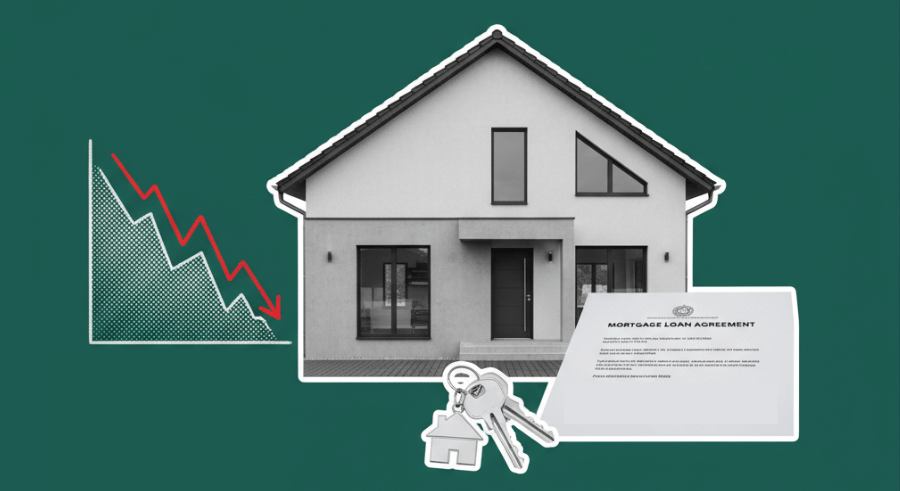
The result? Prices dip, yet ownership becomes more expensive — pushing owners to sell while discouraging buyers.

Tip for 2026: Look far beyond the listing price. Compare tax histories, insurance ranges, and neighborhood risk factors. Well‑trained agents — especially those educated through Cameron Academy — know how to guide clients through these shifting affordability challenges.

Renting Becomes More Attractive

With ownership costs rising, renting is having a comeback moment:

  • 52% of renters now prefer renting over owning.
  • 36% say they plan to rent indefinitely.

Better yet, rental affordability is improving — median rents have fallen for over two years straight. New built‑to‑rent (BTR) communities across the Sun Belt give renters access to upscale, maintenance‑free living with tons of flexibility.

BTR communities often provide:

  • Single‑family homes
  • Luxury‑style amenities
  • Maintenance‑free convenience
  • Lifestyle flexibility

Tip for 2026: Renting can be a smart financial strategy. And remember — equity isn’t the only path to wealth. Smart financial planning goes far beyond owning property.

Home Equity Borrowing Won’t Surge

Homeowners still hold historic levels of tappable equity — averaging $204,000 at the end of 2025. Yet borrowing against that equity isn’t accelerating.

Why? Because equity growth is cooling. Homeowner equity even dipped 0.8% in Q2 2025.

Plus, motivations for equity borrowing are shifting:

  • Debt consolidation jumped from 25% → 39% (2022–2024).
  • Renovation purposes dropped from 65% → 46%.

Tip for 2026: Borrow against home equity with caution — your home is collateral. Growth isn’t the only value of equity. Stability and generational wealth are just as important.

Want to Thrive in a Changing Market?

If you’re entering the industry or advancing your professional skills, understanding 2026’s market dynamics is essential.

Cameron Academy provides flexible, career‑shaping education for real estate, mortgage, insurance, finance, medical, and more — across Florida and all 50 states.

Upgrade your skills. Advance your licensing. And stay ahead of the market wherever it moves next.


© Cameron Academy — Professional Education for a Modern Market

More Articles

Getting licensed or staying ahead in your career can be a journey—but it doesn’t have to be overwhelming. Grab your favorite coffee or tea, take a moment to relax, and browse through our articles. Whether you’re just starting out or renewing your expertise, we’ve got tips, insights, and advice to keep you moving forward. Here’s to your success—one sip and one step at a time!

The Tokenization Tsunami: Why Digital Assets Are Reshaping Wall Street, Washington, and Your Professional Future

Tokenization has surged from crypto niche to global financial disruptor as institutions like Robinhood, BlackRock, and Coinbase race to digitize real-world assets. With pro‑crypto political momentum, shifting regulations, and private companies resisting newfound transparency, this emerging wave is transforming how investments are bought, sold, and accessed. For professionals in real estate, finance, lending, and insurance, this shift signals massive opportunity—and equally massive responsibility—as the next era of asset ownership takes shape.

Florida’s 2026 Insurance Shake‑Up: Citizens Approves Major Statewide Rate Cuts

Florida homeowners are finally getting relief as Citizens Property Insurance announces an average 8.7% statewide rate reduction for 2026, with South Florida seeing cuts as high as 14%. Driven by recent tort reforms and a stabilizing market, these decreases signal a major turnaround for an industry once on the brink of collapse — and a potential boost for real estate activity across the state.

The 2026 Housing Market Finally Returns to “Normal” as Inventory Stabilizes and Demand Takes the Lead

After years of roller‑coaster chaos, the 2026 U.S. housing market is easing into something professionals haven’t seen in a long time: balance. Inventory growth has slowed to just 10% year over year—down sharply from 2025’s surge—signaling the end of the pandemic‑era scarcity and the rise of a market driven by real‑time demand and interest rates. With seasonal patterns returning, negotiations replacing bidding wars and rates drifting toward 6%, agents, lenders and investors are finally navigating conditions that look… normal.

Gen Z Is Skipping Wall Street Advice and Turning to #RichTok for Financial Independence

More than half of Gen Z investors say they entered the stock market because of social media—not textbooks, not advisors. Viral creators, AI tools, and crypto trends are reshaping how young adults learn about money, invest early, and chase financial freedom. This Fortune‑featured shift highlights a generation determined to build wealth fast, trust digital voices over traditional institutions, and redefine financial education for the future.

The U.S. Housing Market Is Finally Normalizing in 2026 — What Today’s Professionals Need to Know

After years of extremes, the U.S. housing market is shifting into a more balanced, predictable phase. Inventory growth has cooled from last year’s surge, seasonality is returning, and pricing is becoming increasingly rate‑sensitive. With mortgage rates hovering near 6% and policy changes reshaping investor participation, 2026 is emerging as a negotiation‑driven market where skilled agents, lenders, builders, and investors have a renewed advantage. This new landscape rewards strategy, education, and real‑time demand awareness—making it an ideal moment for professionals to refine their approach and capitalize on the market’s normalization.

Mortgage Rates Could Drop Faster Than Expected in 2026, Thanks to New MBS Policy

A sudden policy shift at the start of 2026 is already pushing mortgage rates lower, dipping them under 6% for the first time in months. New projections suggest the government-sponsored enterprises’ $200 billion in mortgage‑backed securities purchases could accelerate rate declines throughout the year, boosting affordability, home sales, and overall market activity for buyers, sellers, and real estate professionals alike.