2026 Tech100 Nominations Are Closing — And Innovation Across Housing Tech Is Heating Up
The countdown is on. Nominations for the 2026 HousingWire Tech100 Awards close on December 19 — and as the deadline approaches, the housing tech world is buzzing with momentum. From AI-driven property intelligence to digital closing breakthroughs, this year’s innovators are setting a blistering pace.
HousingWire recently checked in with last year’s winners to see how their post‑Tech100 journey has evolved. If you’re a real estate, mortgage, insurance, or finance professional keeping an eye on where the industry is headed — or someone looking to elevate your career through advanced training here at Cameron Academy — this snapshot of innovation offers a front‑row seat to tomorrow’s housing economy.
ATTOM: Modernizing Property Data for an AI‑Ready Housing Market
ATTOM continues to reshape how real estate, mortgage, and insurance companies interact with property data. With new delivery systems — including Snowflake integration, Parquet and GeoParquet formats, and the intuitive ATTOM Nexus platform — the company has leaned aggressively into a future powered by analytics‑ready, AI‑optimized data.
These tools make data more accessible, more flexible, and significantly more scalable, ensuring professionals can build smarter solutions faster. For those in real estate looking to understand data’s growing role in valuations, marketing, and investment decisions, ATTOM’s ecosystem is a roadmap to the industry’s next chapter.
Hapi Homes: Rebuilding Communities and Reimagining Iconic Design
Hapi Homes had a standout year, opening a new Pasadena hub to support Los Angeles wildfire recovery. But the biggest spotlight moment? A partnership with Martha Stewart to reissue four of her iconic home designs as primary residences and ADUs.
With models inspired by Stewart’s Bedford farmhouse, East Hampton cottage, New York City residence, and Maine retreat, this collaboration blends lifestyle design with accessible housing — a combination that captures both consumer imagination and industry attention.
Obie: Scaling Embedded Insurance and Driving Nationwide Expansion
Obie has grown explosively since its Tech100 recognition, landing the No. 9 insurance spot on the Inc. 5000 and expanding its carrier network, state footprint, and platform capabilities.
With new integrations including Salesforce Experience Cloud and a partnership with Liberty Mutual’s Comparion Agency, Obie boosted its agent network by more than 1,100%. Its PolicyProof tool is seeing rapid adoption, cementing Obie’s place at the forefront of embedded insurance for investors and property managers.
Outamation: Leading AI‑Driven Servicing Automation
Outamation remains a force in AI-powered mortgage servicing, supporting more than 20 national partners with near‑perfect SLA performance.
The company launched OutamateMods Retention, a solution helping banks keep performing borrowers before they refinance elsewhere. Alongside enhancements to OutamateAI, OutamateQMS, OutamateDS, and OutamateDocs, Outamation continues to streamline compliance and accelerate workflows.
ServiceLink: Transforming Digital Closings and Real-Time Appraisal Scheduling
ServiceLink expanded its EXOS technology to redefine how borrowers schedule closings and appraisals.
Borrowers can now book in‑branch, hybrid, remote, or face‑to‑face closings directly from their phone — an industry first. ServiceLink also rolled out real-time two‑way text message appraisal scheduling, eliminating link-based systems and giving borrowers precise appointment windows.
With UAD 3.6 approaching, ServiceLink continues to lead in lender and appraiser readiness.
Is Your Organization Leading the Next Wave of Housing Innovation?
If you or a partner organization is pushing boundaries in real estate, mortgage, or property technology, now is the moment to step forward.
And if you’re a professional looking to deepen your expertise, elevate your credentials, or explore new opportunities in real estate, mortgage, insurance, or finance — Cameron Academy is here to help you level up your career.
More Articles
Getting licensed or staying ahead in your career can be a journey—but it doesn’t have to be overwhelming. Grab your favorite coffee or tea, take a moment to relax, and browse through our articles. Whether you’re just starting out or renewing your expertise, we’ve got tips, insights, and advice to keep you moving forward. Here’s to your success—one sip and one step at a time!
Redfin forecasts a slow but meaningful return to normalcy in the U.S. housing market starting in 2026. Instead of a crash or a rapid correction, the year marks the beginning of a “Great Housing Reset” where affordability gradually improves, mortgage rates ease into the low‑6% range, home sales tick upward, and renters, buyers, and professionals finally feel less market pressure. From wage growth outpacing home prices to rising refi activity and the rise of AI‑powered real estate tools, 2026 is shaping up to be a foundational year for real estate careers and long‑term market stability.
Hurricane Melissa’s destruction in Jamaica highlights a growing global reality: climate risks are accelerating faster than insurance adoption. With more than 90% of disaster losses in developing regions going uninsured and a worldwide protection gap exceeding $1.8 trillion annually, experts warn that traditional insurance systems can no longer keep up. New models—like parametric payouts, community‑based aggregation and bundled climate tools—are emerging, but governments and corporations must step in to prevent financial shocks from destabilizing entire economies.
Gravis Robotics, a Zurich-based startup, just raised $23 million to bring autonomous tech to construction sites facing a massive operator shortage. As demand surges for renewable energy projects, data centers, and new housing, Gravis retrofits traditional heavy machinery with AI-driven systems that can work autonomously or via remote guidance. With trials already underway across seven countries, the company is pushing a future where humans and robots collaborate — speeding up development timelines and reshaping industries from construction to real estate.
Zillow has quietly removed its climate‑risk scores after months of pressure from agents, homeowners, and listing services who said the warnings were scaring off buyers. The move has sparked a national debate: Is this a win for real estate sales or a setback for consumer transparency? Critics warn that without clear climate‑risk data, families could be “flying blind” into costly surprises like insurance spikes and flood damage. As climate impacts intensify and disclosure expectations rise, real estate professionals must stay informed—because whether Zillow shows the data or not, the risks aren’t going anywhere.
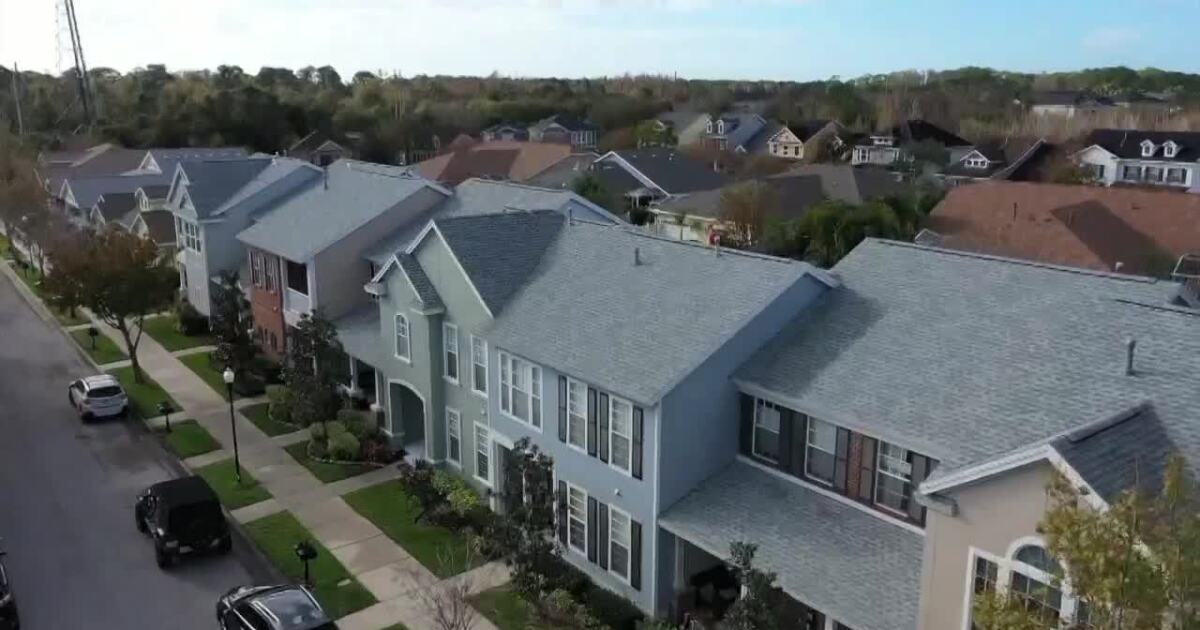
Florida’s property insurance crisis is becoming the defining issue heading into the 2026 election season. Republicans argue that recent reforms are finally stabilizing the market, pointing to reduced litigation and cooling reinsurance costs. Democrats counter that families are still facing unbearable premiums, with condo prices dropping over 8% and Floridians paying some of the highest insurance rates in the nation. As lawmakers prepare to return to Tallahassee, the future of insurance reform is set to become the central political fight—one that will directly impact homeowners, investors, and real estate professionals across the state.
Connectivity has become one of the most powerful differentiators in today’s real estate market. As smart buildings, automation, and sustainability demands accelerate, fiber networks are replacing outdated copper systems and reshaping property value. With lower energy use, unified smart‑building capabilities, reduced long‑term costs, and stronger tenant satisfaction, digital infrastructure is now central to investment strategy. Real estate professionals who understand this shift gain a competitive edge as the industry moves toward cleaner, smarter, more connected buildings.