2026 Tech100 Nominations Are Closing — And Innovation Across Housing Tech Is Heating Up
The countdown is on. Nominations for the 2026 HousingWire Tech100 Awards close on December 19 — and as the deadline approaches, the housing tech world is buzzing with momentum. From AI-driven property intelligence to digital closing breakthroughs, this year’s innovators are setting a blistering pace.
HousingWire recently checked in with last year’s winners to see how their post‑Tech100 journey has evolved. If you’re a real estate, mortgage, insurance, or finance professional keeping an eye on where the industry is headed — or someone looking to elevate your career through advanced training here at Cameron Academy — this snapshot of innovation offers a front‑row seat to tomorrow’s housing economy.
ATTOM: Modernizing Property Data for an AI‑Ready Housing Market
ATTOM continues to reshape how real estate, mortgage, and insurance companies interact with property data. With new delivery systems — including Snowflake integration, Parquet and GeoParquet formats, and the intuitive ATTOM Nexus platform — the company has leaned aggressively into a future powered by analytics‑ready, AI‑optimized data.
These tools make data more accessible, more flexible, and significantly more scalable, ensuring professionals can build smarter solutions faster. For those in real estate looking to understand data’s growing role in valuations, marketing, and investment decisions, ATTOM’s ecosystem is a roadmap to the industry’s next chapter.
Hapi Homes: Rebuilding Communities and Reimagining Iconic Design
Hapi Homes had a standout year, opening a new Pasadena hub to support Los Angeles wildfire recovery. But the biggest spotlight moment? A partnership with Martha Stewart to reissue four of her iconic home designs as primary residences and ADUs.
With models inspired by Stewart’s Bedford farmhouse, East Hampton cottage, New York City residence, and Maine retreat, this collaboration blends lifestyle design with accessible housing — a combination that captures both consumer imagination and industry attention.
Obie: Scaling Embedded Insurance and Driving Nationwide Expansion
Obie has grown explosively since its Tech100 recognition, landing the No. 9 insurance spot on the Inc. 5000 and expanding its carrier network, state footprint, and platform capabilities.
With new integrations including Salesforce Experience Cloud and a partnership with Liberty Mutual’s Comparion Agency, Obie boosted its agent network by more than 1,100%. Its PolicyProof tool is seeing rapid adoption, cementing Obie’s place at the forefront of embedded insurance for investors and property managers.
Outamation: Leading AI‑Driven Servicing Automation
Outamation remains a force in AI-powered mortgage servicing, supporting more than 20 national partners with near‑perfect SLA performance.
The company launched OutamateMods Retention, a solution helping banks keep performing borrowers before they refinance elsewhere. Alongside enhancements to OutamateAI, OutamateQMS, OutamateDS, and OutamateDocs, Outamation continues to streamline compliance and accelerate workflows.
ServiceLink: Transforming Digital Closings and Real-Time Appraisal Scheduling
ServiceLink expanded its EXOS technology to redefine how borrowers schedule closings and appraisals.
Borrowers can now book in‑branch, hybrid, remote, or face‑to‑face closings directly from their phone — an industry first. ServiceLink also rolled out real-time two‑way text message appraisal scheduling, eliminating link-based systems and giving borrowers precise appointment windows.
With UAD 3.6 approaching, ServiceLink continues to lead in lender and appraiser readiness.
Is Your Organization Leading the Next Wave of Housing Innovation?
If you or a partner organization is pushing boundaries in real estate, mortgage, or property technology, now is the moment to step forward.
And if you’re a professional looking to deepen your expertise, elevate your credentials, or explore new opportunities in real estate, mortgage, insurance, or finance — Cameron Academy is here to help you level up your career.
More Articles
Getting licensed or staying ahead in your career can be a journey—but it doesn’t have to be overwhelming. Grab your favorite coffee or tea, take a moment to relax, and browse through our articles. Whether you’re just starting out or renewing your expertise, we’ve got tips, insights, and advice to keep you moving forward. Here’s to your success—one sip and one step at a time!
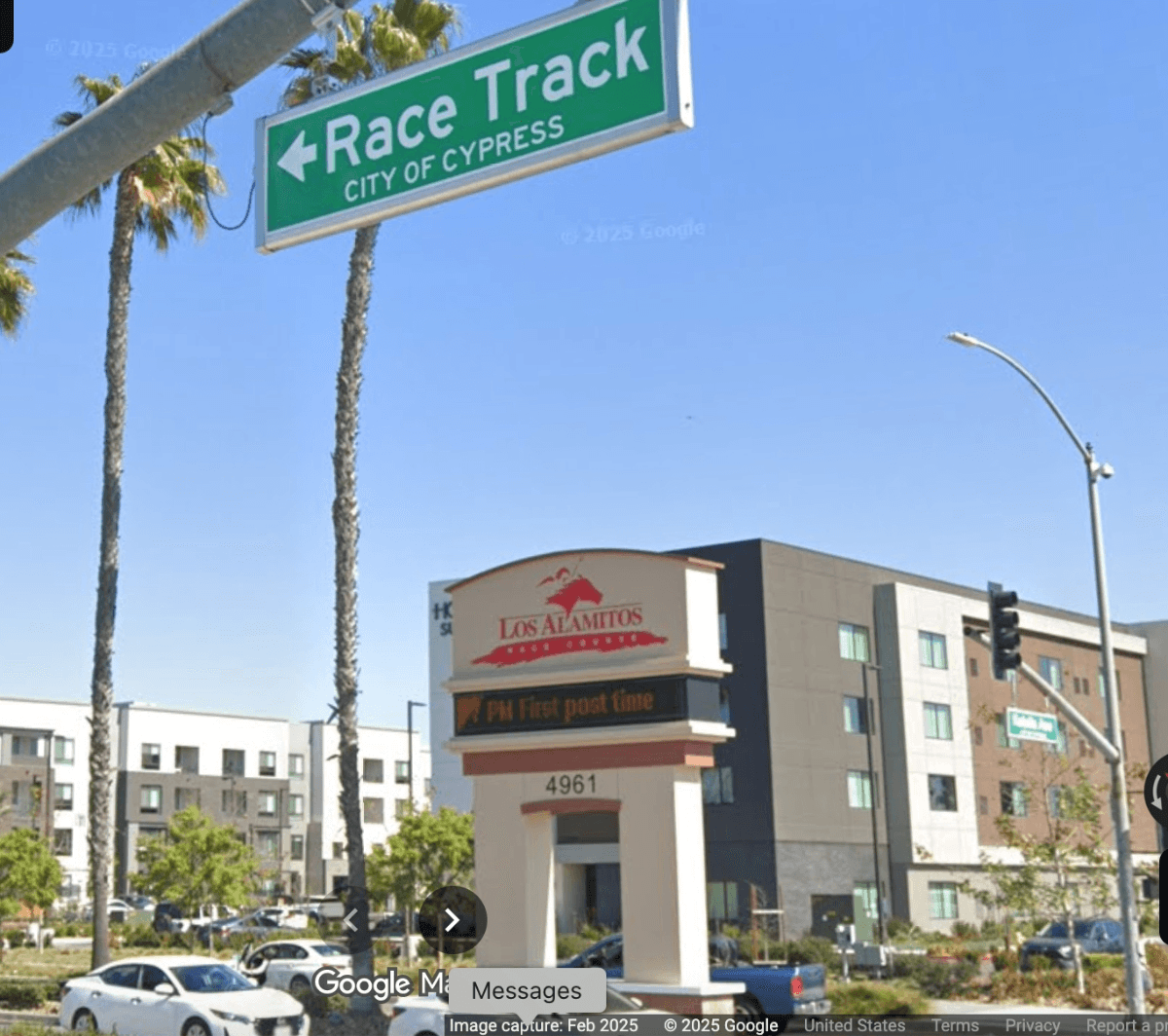
Los Alamitos Race Course is facing its most serious crisis in years after 18 horses died in 2025, prompting regulators to warn the track that its racing license is at risk without immediate safety reforms. Following three catastrophic injuries in a single day, the California Horse Racing Board has ordered urgent changes—including more veterinarians, stricter medication rules, and enhanced on‑track medical support—as pressure mounts for stronger oversight in a sport already under national scrutiny.
Canadian investors have poured more than US$5.8 billion into U.S. commercial real estate this year, making the U.S. their top destination even amid a lingering tariff dispute. Tight inventory in Canada and greater deal availability south of the border are driving the trend, with data centers and industrial properties emerging as the hottest targets for 2025.
Florida’s insurance commissioner says even industry pros struggle to read today’s 150‑page homeowners policies—leaving residents shocked when hurricane claims are denied. With rising premiums, high replacement costs, and widespread confusion over exclusions like flood and water damage, the state is pushing for simpler, clearer policy language so homeowners know what they’re actually covered for before the next storm hits.
Following the 2025 elections, major metros like New York, Chicago, Miami, Los Angeles, and Boston are implementing policy shifts that could reshape property values, rental income, development timelines, and investment strategy heading into 2026. From New York’s push toward aggressive rent reform to Chicago’s sustainability mandates and Miami’s uncertain mayoral runoff, these changes signal a new era where local politics increasingly dictate market performance. This breakdown highlights the biggest post‑election real estate pivots and what they mean for investors, agents, and finance professionals preparing for a rapidly evolving landscape.
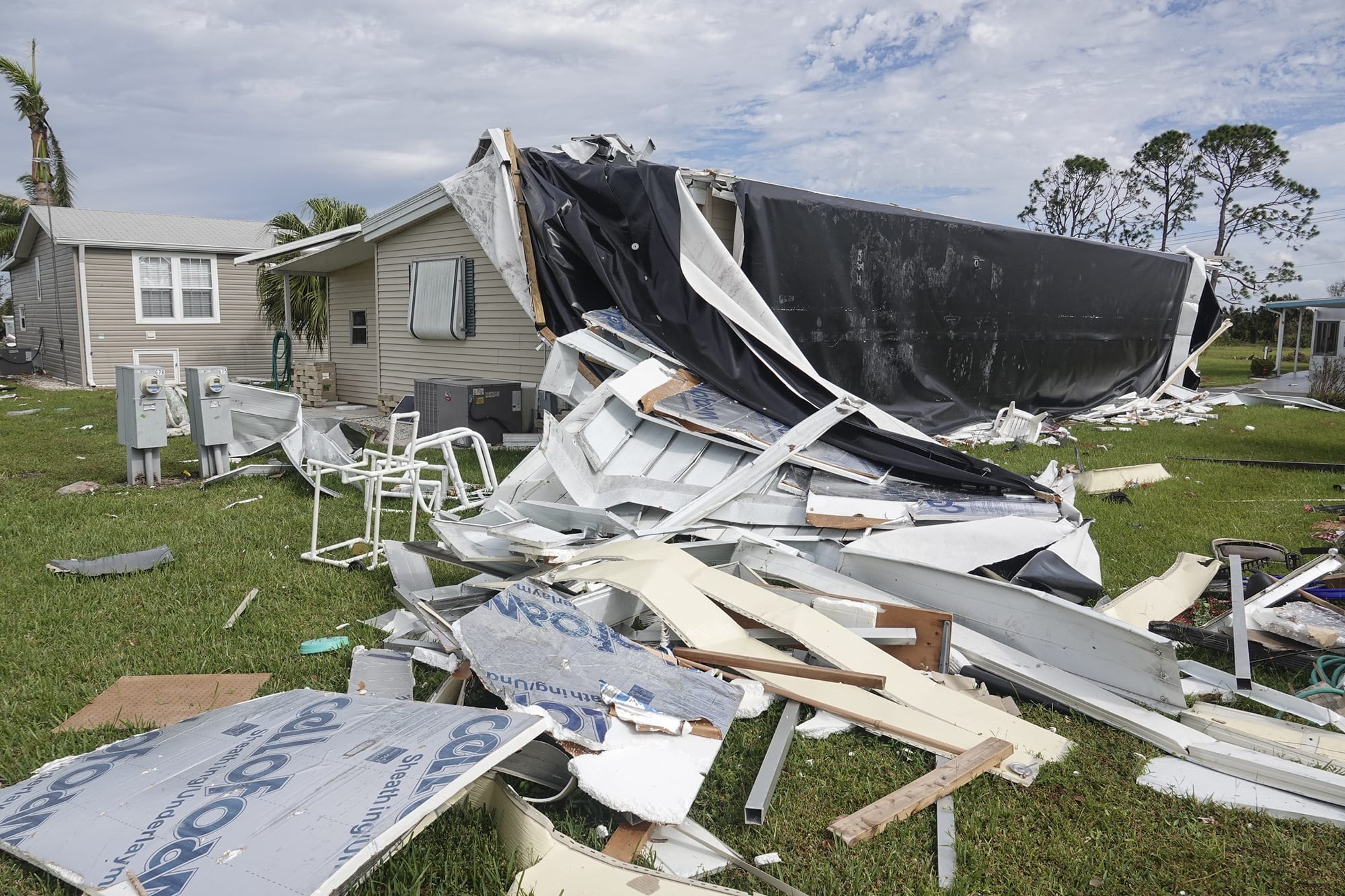
Florida’s Insurance Commissioner is sounding the alarm after thousands of homeowners discovered—only after hurricanes Helene and Milton—that the coverage they thought they had didn’t exist. With nearly 150,000 unpaid claims tied to misunderstood flood exclusions, water‑damage caps, and buried policy clauses, state leaders are pushing to simplify the dense, confusing documents most Floridians never read. As insurance costs remain one of the state’s top concerns, this growing complexity is creating a massive opportunity for real estate, mortgage, and insurance professionals to guide consumers before disaster strikes.
Florida’s insurance market is reliving an old crisis under a new name. Despite reforms meant to stabilize the system, homeowners are being forced out of Citizens and into pricier policies from small insurers with shaky financial histories. Companies tied to past insolvencies are returning with fresh branding, while highly rated carriers continue to deny a majority of claims. With political influence muddying regulation and climate risks rising, experts warn that only a full structural overhaul—not cosmetic reforms—can restore confidence for homeowners, agents, and the entire real estate market.