7 Retirement Trends Shaping 2026: What Professionals Should Know
Retirement planning in 2025 wasn’t just busy — it was transformative. Market swings, government noise, and new legislation helped reshape the entire financial landscape. If you’re entering the new year with an eye on building wealth, these seven trends will guide your strategy. They’re also incredibly relevant for professionals in real estate, finance, insurance, and other licensed industries — including many of the students at Cameron Academy.
1. Retirement Plans Are Evolving
The SECURE 2.0 updates brought automatic enrollment to new 401(k) and 403(b) plans at 3%, with increases up to 15%. Part‑time workers gained better access to plans, catch‑up contributions increased for ages 60–63, and a national database is being built to help reconnect people with lost accounts.
What it means: Saving is easier than ever — and harder to ignore.
For 2026: Review your plan and maximize what you can. If you’re a professional juggling multiple roles or career transitions, these new rules work in your favor.
2. Private Wealth Has Surged
U.S. retirement assets are projected to hit $52 trillion by 2029. With so much wealth in motion, demand for knowledgeable advisers has never been higher — something professionals in real estate, mortgage, and financial fields should take seriously.
What it means: Education matters. Investors want trained professionals.
For 2026: Work with advisers who invest in continuing education. Or, if you’re a professional yourself, consider upskilling — Cameron Academy offers licensing and CE courses for exactly this purpose.
3. Stable Value Funds Are Back
Interest rate changes made stable value funds attractive alternatives to money market funds. Their combination of price stability and returns above inflation turned heads in 2025.
What it means: A safer place to grow your savings, especially near retirement.
For 2026: Ask your plan adviser whether you have access to stable value options.
4. Target Date Funds Are Evolving
Not all target date funds operate the same. Their “glide paths” — how they adjust investments over time — can make or break retirement strategies.
What it means: Choosing the right glide path matters more than choosing the right year.
For 2026: Review your fund’s details instead of relying on its label alone.
5. Behavioral Coaching Is More Important Than Ever
Volatile headlines and unpredictable markets made emotional investing a real threat. Investors who automated contributions and stayed diversified often came out ahead.
What it means: Discipline beats headline‑chasing.
For 2026: Automate where possible and avoid making changes based on fear.
6. Advisers Are Guiding Clients Through Uncertainty
Government shutdowns and market dips tested investor confidence in 2025. Advisers who communicated proactively kept their clients steady.
What it means: Good communication prevents bad decisions.
For 2026: Stay connected with your adviser — especially when the news looks grim.
7. Maximizing Workplace Benefits Has Become Essential
Open enrollment in 2025 highlighted the importance of understanding every benefit available, not just retirement contributions.
What it means: Benefits have become a major part of your financial wellness.
For 2026: Review benefits carefully and update them after major life events such as marriage, divorce, or having a child.
Looking Ahead: Make 2026 Your Strongest Year
The retirement landscape has shifted — but for proactive professionals, that creates opportunity. Review your strategy, make informed updates, and seek guidance where needed. If advancing your career is part of your 2026 goals, Cameron Academy is here with licensing and continuing education programs across real estate, mortgage, insurance, and more.
Getting licensed or staying ahead in your career can be a journey—but it doesn’t have to be overwhelming. Grab your favorite coffee or tea, take a moment to relax, and browse through our articles. Whether you’re just starting out or renewing your expertise, we’ve got tips, insights, and advice to keep you moving forward. Here’s to your success—one sip and one step at a time!
Flood insurance premiums across Florida are climbing fast, with more than 80% of NFIP policyholders seeing annual increases under FEMA’s Risk Rating 2.0. Some counties now face hikes exceeding $3,500 per year, adding pressure in a state where homeowners insurance already averages nearly $11,000 annually. As risk-based pricing takes hold and climate impacts intensify, Florida homeowners — and the real estate pros who advise them — must prepare for continued premium growth and major county‑to‑county disparities.
As insurers step into 2026, the property and casualty market shows its first signs of real stability after several turbulent years. Q4 results reveal disciplined underwriting, cooling rate hikes, and steady premium growth across major carriers. Commercial lines show selective momentum, personal lines begin to level out, and AI-driven efficiency becomes the industry’s new engine for profitability. With catastrophe losses moderating and tech adoption accelerating, professionals across insurance, real estate, and finance can expect a pivotal year—and an ideal moment to sharpen their skills through continuing education.
A new CBRE survey shows that most U.S. commercial real estate investors expect to increase their property purchases in 2026, signaling renewed confidence and market stabilization. Dallas remains the nation’s top target for the fifth straight year, followed by high‑growth metros like Atlanta, San Francisco, Miami, Charlotte, Raleigh‑Durham, Nashville, Tampa, Seattle, and New York City. These cities continue to draw strong investor interest due to population growth, business expansion, and robust development activity.
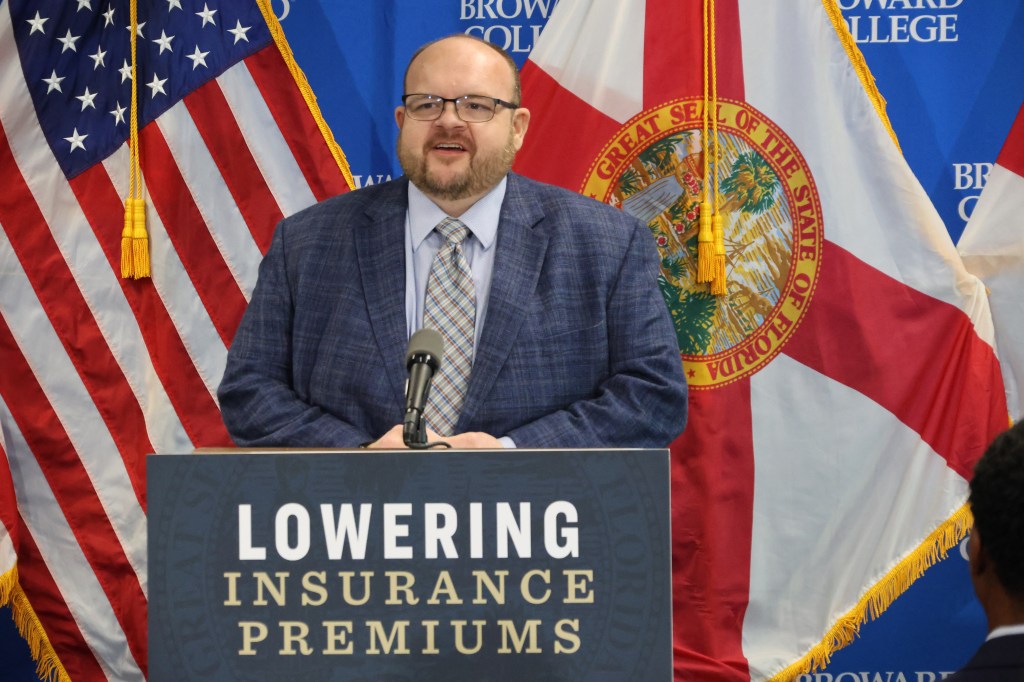
Florida Insurance Commissioner Michael Yaworsky says the state's turbulent property insurance market is finally calming, with Florida posting the lowest rate increases in the nation last year. Yet rising home replacement costs mean many homeowners won’t see relief in their premiums just yet. With Citizens Insurance shrinking, new legislative priorities emerging, and long‑term reforms taking hold, Florida’s real estate and insurance professionals are entering 2026 with cautious optimism and a clearer picture of what’s ahead.
A new CBRE survey shows investor optimism surging as 95% plan to buy more or the same amount of commercial real estate in 2026, with over half increasing their capital allocation. Stabilizing values, improving fundamentals, and expected relief in debt costs are driving renewed confidence, putting markets like Dallas, Atlanta, and Tampa in the spotlight as multifamily and industrial assets lead demand.
Artificial intelligence has moved from industry buzzword to essential mortgage‑lending tool, reshaping how loan officers work, communicate and compete. From smarter lead targeting to rapid content creation and CRM‑powered automation, AI is now the dividing line between lenders who scale efficiently and those stuck in manual workflows. This article breaks down why AI adoption is no longer optional, how top lenders are using it and what mortgage professionals must do now to stay competitive.